
Libya's $15.2B oil haul can't stop the dinar hitting 10.5
Africa's largest oil reserves are pumping 1.43 million barrels a day while 17 percent inflation and a two-tier dinar expose the real fight over who controls the money.
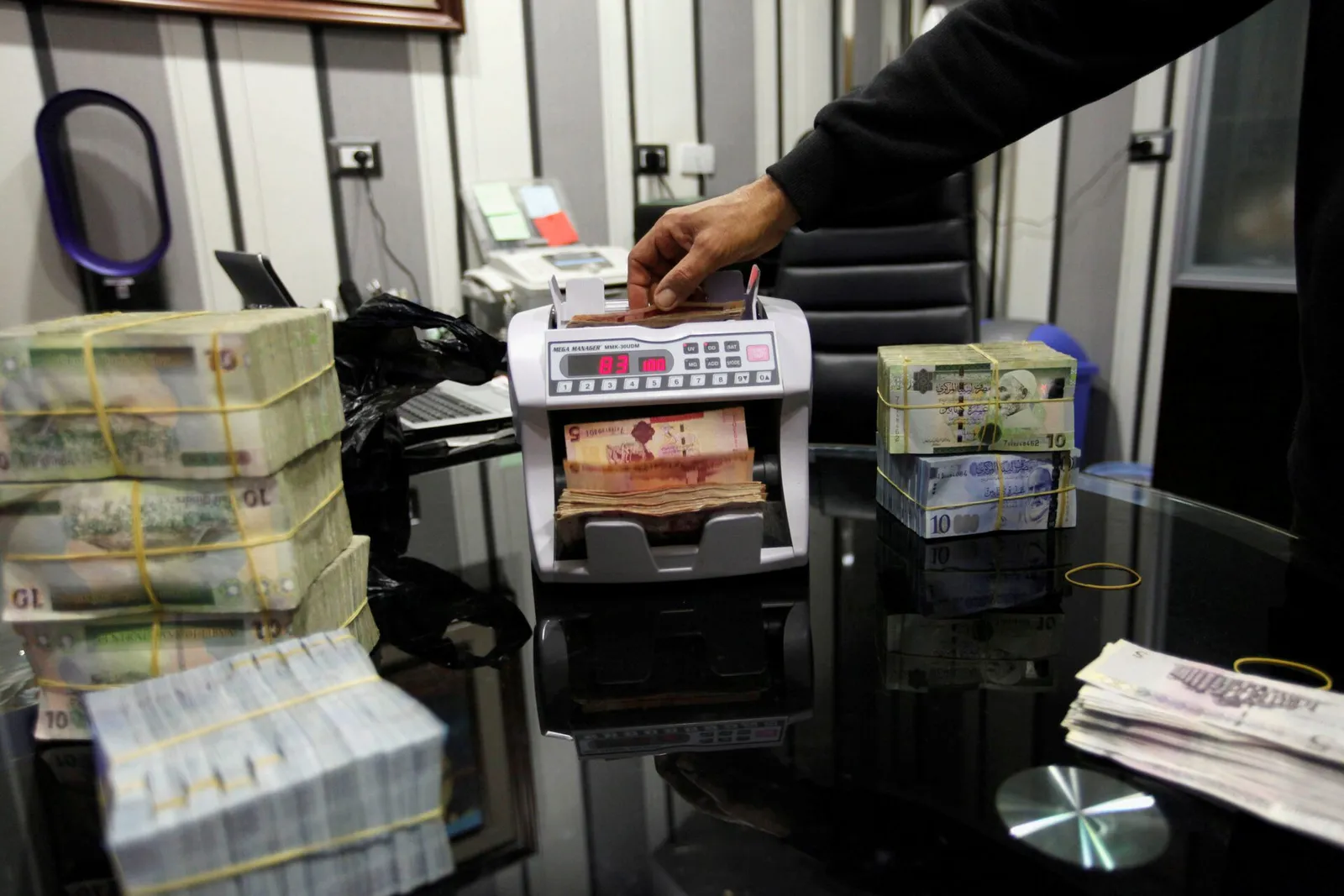
Libya is pumping 1.43 million barrels of crude a day and banked more than $15.2 billion in oil export revenue in the first half of the year, yet the parallel-market dollar has climbed past 10.5 dinars against an official rate frozen near 6.5. For executives and investors, the gap is the signal: in commodity states, currency stability tracks institutional control of revenue, not the size of the reserves.
Libya entered this month pumping 1.43 million barrels of crude a day and banking more than $15.2 billion in oil export revenue in the first half of the year alone. Those are numbers a well-run producer would print with pride. And yet the parallel-market dollar has climbed past 10.5 dinars while the official rate sits frozen near 6.5. Two prices for the same currency, roughly 60 percent apart, in a state sitting on Africa's largest proven reserves. That gap, not the oil, is the story.
The inflation data settles the argument. Annual inflation had already reached nearly 17 percent in September. Food and beverage prices were up 21 percent. Clothing and footwear climbed well over 25 percent. Read those two paragraphs together and you get the whole crisis in one line: a country earning billions from what it pulls out of the ground is watching its citizens get poorer at the till. That is not a monetary policy glitch. It is a sovereignty problem wearing a currency costume.
Here is the mechanism, in plain English. An official rate near 6.5 dinars to the dollar is a subsidy. Anyone who can legally buy dollars at 6.5 and sell them at 10.5 pockets the difference, roughly 60 percent, on every transaction. In economies with a dual exchange rate, access to official foreign exchange is typically allocated through the banking system, often via letters of credit for importers. Which means the allocation itself is the prize. Historically, that arrangement turns currency access into the most profitable business in the country, and turns the question of who sits at the window into the central political fight.
That is why this is a sovereignty crisis and not a currency crisis. Oil revenue does not land in a thousand private pockets. It flows through a single national institution before it reaches salaries, subsidies, and the budget. Control that institution and you control the money that keeps the state, and the armed groups around it, standing. Libya has spent years with rival administrations competing for legitimacy, and the exchange rate is where that competition becomes measurable in numbers. A frozen official rate is a promise the state makes at the counter and cannot honor at the till.
The oil numbers make the paradox sharper. Pumping 1.43 million barrels a day is a genuinely strong figure, near the top of what Libya has managed since 2011. Production is not the constraint. The constraint is the plumbing between the wellhead and the wallet. When a state banks $15.2 billion in six months and still cannot defend its own currency, the leak is institutional, not geological. More barrels will not fix it. More barrels will simply raise the stakes for whoever controls the pipe.
The second-order effects are where this gets expensive. Inflation near 17 percent, with food at 21 percent, pushes households toward dollars, gold, and informal networks. Currency substitution is sticky: once ordinary people start pricing their lives in dollars, the monetary authority loses its grip on expectations, and getting it back costs far more than holding it would have. Importers who cannot get official foreign exchange pass the parallel rate straight into shelf prices, which feeds the inflation that justifies the parallel rate in the first place. It is a loop, and loops do not resolve themselves.
For anyone watching from the outside, the signals to track are specific. A change at the top of the monetary authority. A new mechanism for allocating foreign exchange. An oil disruption used as leverage in a budget fight. Each one tells you who is winning, and each one moves the parallel rate before it moves the official one. The official rate is a political statement. The parallel rate is the truth.
The broader lesson travels well beyond Tripoli. Reserves are an asset. Revenue is a flow. Neither one is a currency. Countries that convert resource wealth into state capacity hold their value; countries that convert it into patronage do not, no matter how many barrels they lift. For emerging-market investors, energy traders, and any board carrying commodity exposure, Libya is the cleanest available case study in the difference between being rich in resources and being able to govern them. Watch the dinar, not the derrick.
This story's Key Insights and Take-aways are locked.
Create a free account to unlock Executive Actions for one credit.
Register to UnlockAlways free for Executives Club members. Join the Club
More in Business

Anthropic's record IPO lands a day before Nvidia's longest losing streak since 2008
Anthropic's record Nasdaq debut and Nvidia's longest weekly losing streak since 2008 landed within 24 hours of each other, and the contrast shows how fast the market is re-pricing the AI trade.
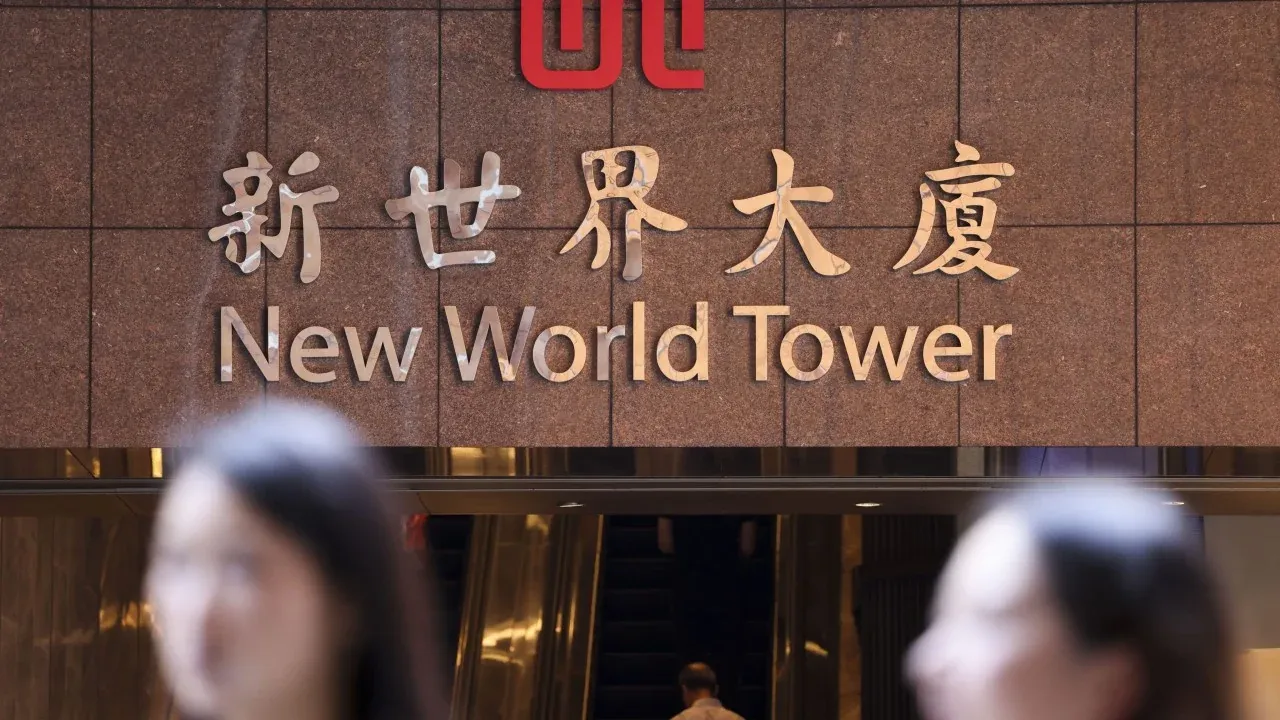
New World's HK$24.9B rights issue triggers 41% plunge as HK$50B debt target looms
New World Development has three levers left to erase up to HK$50 billion in borrowings by 2031, and shareholders just told the market what they think of the first one.
Chip supply chain warns new US export controls will spread beyond the target list
Suppliers, distributors and equipment makers say the latest US restrictions will not stay contained to the firms named on paper, putting orders, inventory and delivery timelines at risk across the global chip chain.