
Lidl opens its first pub, The Middle Ale, a brand “world first”
Inside Lidl’s pivot from supermarket aisles to beer taps, and why it matters for retail strategy and regulation.
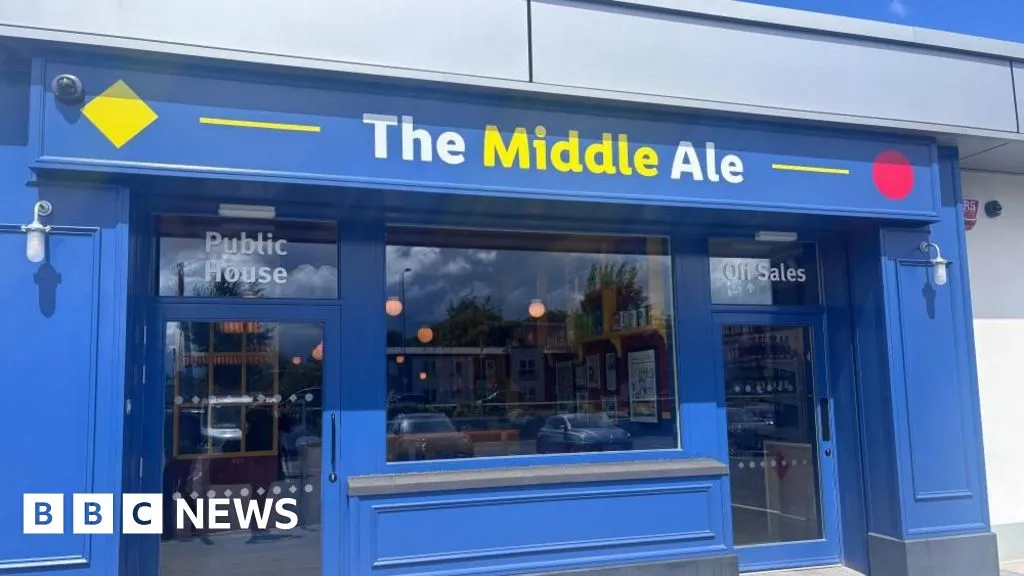
Lidl owns and operates The Middle Ale, described as a 'world first' for the brand. For decision-makers, the move is a signal to watch how retailers experiment with experiential formats under tightly controlled licensing rules.
Lidl is putting its brand into a very specific new setting: beer. The supermarket chain owns and operates The Middle Ale, a project it describes as a 'world first' for the company. In plain terms, Lidl is not just selling products in its stores. It is running a pub.
That sounds simple, but the stakes are real. Running a licensed hospitality venue means operating under a different rulebook than retail shelves, with additional compliance burdens around alcohol, premises management, and customer safety. It also changes how customers experience Lidl. Instead of choosing between brands at checkout, visitors choose whether to spend time in Lidl’s space, with Lidl’s name attached to the atmosphere, service, and reputation.
If you’re an executive at another retailer, the headline takeaway is not “a pub is trendy.” It is “a grocery brand is testing a new way to build loyalty and awareness.” Retailers are under constant pressure to stand out, especially as shoppers compare prices, promotions, and convenience across channels. A pub is an unusual lever because it is not primarily a sales channel. It is a brand theatre. In hospitality, the product is partly the setting, the vibe, and the reliability of the experience, not just what is poured or plated.
There is also an incentives shift. A supermarket can optimize for footfall, throughput, and product mix. A pub optimizes for dwell time, repeat visits, local community perception, and operational reliability throughout the day and night. That is a different internal muscle. Even when a chain tries hospitality before, the learning curve tends to be less about marketing copy and more about day-to-day operations: staff training, shift scheduling, supplier standards, and incident response. When the BBC frames this as Lidl’s first ever pub and “world first” for the brand, the implication is that Lidl is betting on that operational learning to be worth the effort.
On the regulatory side, alcohol licensing is not an “add-on.” It typically comes with conditions that can constrain trading hours, promotion methods, how staff handle age verification, and what controls are required for risk. Hospitality operators often live in a world where regulators can change what is allowed if problems emerge, and where local licensing reviews can affect continuity. Retailers expanding into pubs therefore face a dual challenge: they must comply, and they must do it consistently enough to keep permissions stable. That stability matters for finance teams because hospitality failures can be reputational as much as financial.
Then there is the reputational layer. A supermarket brand is judged on price, availability, and store experience. A pub brand is judged on how people feel in the space, how responsibly alcohol is served, and whether the venue is a good neighbor. If Lidl is learning in public with The Middle Ale, it is also accepting that customers will hold the brand accountable in categories that usually sit outside a typical grocery playbook.
For boards and senior operators, the second-order question is: what else could be next if this works? Retailers have tried pop-ups, cafes, and in-store experiences for years, but owning and operating a pub is a bigger step than a temporary branded corner. It suggests Lidl wants more direct control over customer experience and more distinctive brand recall. If the format catches on, it could influence how other retailers think about differentiation, partnerships, and even real estate use. If it does not, the learning still travels, but with cost.
In other words, The Middle Ale is not only a novelty. It is a strategic stress test. Lidl is stretching its business into a licensed hospitality model, described as a 'world first' for the brand. For peers in retail and adjacent sectors, the real lesson is how quickly an established operator can change format, how much compliance you inherit when you move into regulated alcohol service, and how brand building shifts when you trade aisle behavior for room behavior.
This story's Key Insights and Take-aways are locked.
Create a free account to unlock Executive Actions for one credit.
Register to UnlockAlways free for Executives Club members. Join the Club
More in Business

SpaceX stock jumps 3% after it overtakes Amazon’s market cap
CNBC says SpaceX’s shares surge following its IPO Friday, forcing investors to reprice what “space” and “AI” are worth.
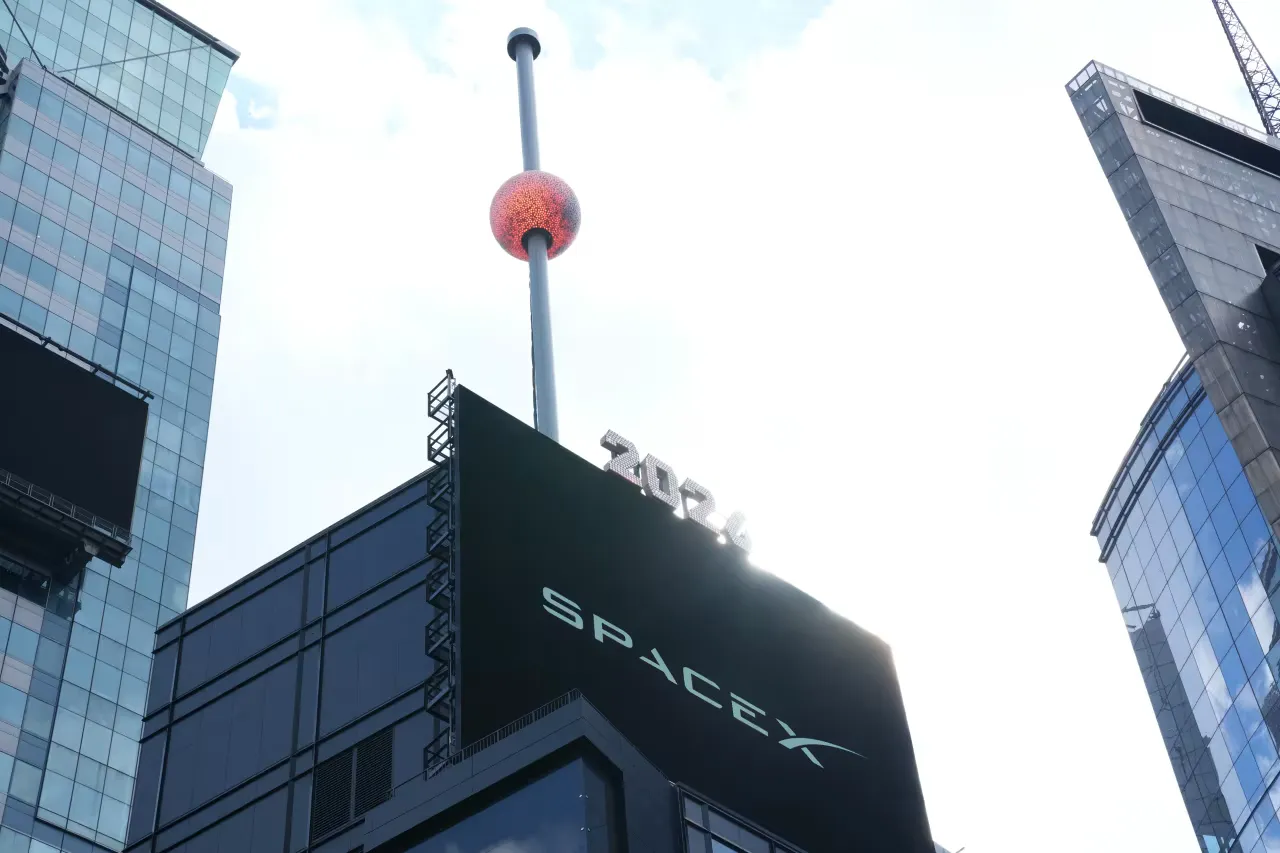
SpaceX’s first options day breaks U.S. records after a $85B IPO win
Big IPO, bigger options debut: what it means for investors, risk teams, and anyone benchmarking market appetite.

SpaceX buys Cursor for all-stock $60B, signaling Elon Musk’s next AI move
SpaceX exercised its option for Cursor in an all-stock deal worth $60 billion, reshaping AI dealmaking expectations.