
Lithuanian curators evacuate Ukraine paintings as Putin advances toward the front lines
Behind the headlines, curators are racing to keep cultural assets intact, with real legal and financial spillovers.
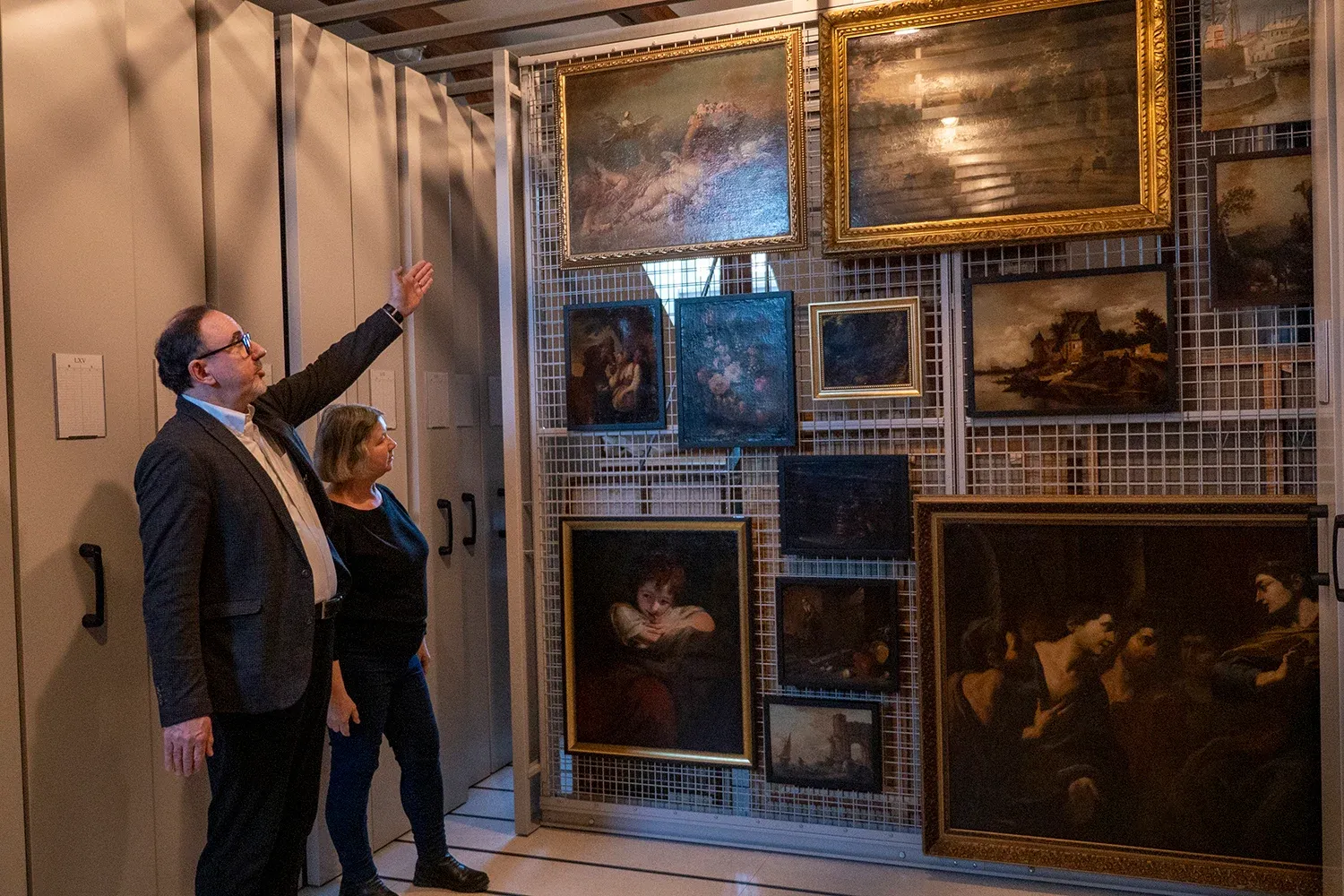
Lithuanian curators are working to protect paintings from Putin as they deal with the reality of Ukraine's front lines. The effort has consequences for any executive thinking about reputational risk, regulatory exposure, and the long tail of cultural asset ownership.
If you think art in wartime is just symbolism, the current evacuation effort from Ukraine’s front lines should recalibrate you. Lithuanian curators are actively working to protect paintings from Putin’s advance, treating cultural heritage as something that needs operational control, not just moral support.
That means the work is happening while the front line moves and uncertainty is the default setting. The Lithuanian curators involved are not waiting for a clean, post-crisis moment to “handle art later.” They are evacuating and safeguarding paintings now, because once a conflict closes in, the window to preserve physical works, provenance records, and custody chains gets brutally small. In other words, this is not only a cultural story. It is a custody and continuity story.
War changes the incentives for everyone touching high-value objects. For curators and institutions, the problem is practical and immediate: how to transport fragile pieces, maintain integrity, and ensure they remain identifiable as the situation deteriorates. For governments and cross-border partners, the problem becomes legal as well as logistical. Cultural assets often sit at the intersection of national identity, international agreements, sanctions regimes, and export and import controls. In a conflict environment, those systems do not pause because people would prefer a calmer news cycle.
Executives in adjacent spaces should care because the same patterns show up in financial and compliance decision-making. Custody matters. Chain-of-title matters. Documentation matters. When paintings move across borders under pressure, the paperwork and process are not “administrative detail.” They become the difference between an asset that can be returned, insured, or legally transferred later, versus one that becomes tangled in disputes or uncertainty. Even for organizations not directly involved in art, the broader governance question is the same: can you prove where something is, who had it, and under what authority?
There is also a reputational risk layer that can surprise boards. Cultural institutions are under scrutiny not only for what they do, but how they do it. In wartime, fast action can be framed as responsible stewardship. Slow action can be interpreted as indifference. Lithuanian curators working to protect paintings from Putin are essentially performing a high-stakes version of “fiduciary duty” in public view, where every choice can reverberate through donor communities, partner institutions, and future regulators.
Finally, there is a second-order implication for capital allocation and governance. When conflicts threaten cultural assets, the costs do not vanish when the headlines fade. They migrate into storage, conservation, security, insurance claims, and legal resolution, often stretching over years. Boards that understand how these long-tail burdens emerge from complex custody and regulatory environments are better positioned to avoid being blindsided when crisis response becomes a multi-year balance sheet issue. The Lithuanian evacuation effort is a reminder that operational decisions made at the front end can determine whether an institution later faces restoration, claims, or chaos.
For executives and governance leaders across sectors, the takeaway is straightforward. The same mindset needed to safeguard paintings in a moving war zone also applies to other high-value, high-scrutiny assets: establish custody clarity early, move with purpose when windows are open, and treat compliance and documentation as part of the core mission. Lithuanian curators are doing that for art. Decision-makers elsewhere should recognize the pattern, because the world’s next “front line” is rarely only a battlefield. It can be a supply chain, a regulatory boundary, or the fragile trust that holds an asset's value together.
This story's Key Insights and Take-aways are locked.
Create a free account to unlock Executive Actions for one credit.
Register to UnlockAlways free for Executives Club members. Join the Club
More in Politics

Glacial collapse, not rain, killed 180 in Nepal's Himalayan flood
The Himalaya's extreme geography hid the true cause of Nepal's catastrophic flood, a glacial collapse that turned a geological battleground into a mass-casualty zone.

Iran’s Esmail Baghaei says Oman talks start shipping via Hormuz, not US talks yet
Temporary route plans with Oman aim to restart commerce while Tehran says Washington dialogue is not on the table.

Standards watchdog opens probe into Reform UK deputy leader Richard Tice over interests
The parliamentary standards commissioner says it began an investigation on 28 July into a possible undeclared interest.