

Lula’s Workers' Party endorses 80-year-old Lula for expected final reelection bid
A formal endorsement turns Brazil’s October election into a foreign-influence test for markets, regulators, and investors.

Brazil’s Workers' Party formally endorsed President Luiz Inácio Lula da Silva, 80, for what is expected to be his final reelection bid. The move raises the stakes for decision-makers as the October election increasingly centers on foreign influence and an unusually internationalized campaign.
Brazil’s Workers' Party formally endorsed President Luiz Inácio Lula da Silva on Sunday for what is expected to be his final reelection bid. The endorsement matters because it removes a major political uncertainty heading into October and signals that Lula’s path to another term is no longer just momentum, it is institutional backing from his own party.
The picture the source paints is not a quiet, domestic election season. Instead, it is an October contest increasingly shaped by concerns over foreign influence, alongside an unusually internationalized campaign. In practical terms, that means leaders in business and policy will have to watch not only what candidates promise inside Brazil, but also how international actors, narratives, and scrutiny may move the goalposts.
Why does party endorsement move markets and boardrooms at all? In systems like Brazil’s, elections are not only about who wins, but about how quickly investors can model future policy. When a party formally backs the incumbent, it usually compresses the range of plausible outcomes for key sectors tied to government decisions, including regulation, procurement, taxes, and state-linked economic initiatives. That compression can reduce risk premia, or at least make planning easier, because a government’s political base is harder to question than campaign chatter.
But the source also flags a complication: concerns over foreign influence. Even without adding any new numbers or claims, that framing is an alert for decision-makers. Internationalized campaigns tend to attract more attention from outside governments, media, advocacy groups, and market participants who interpret the election through their own lenses. If foreign influence becomes a central campaign theme, companies operating in Brazil can see more pressure around compliance, lobbying transparency, political neutrality, and cross-border partnerships. Boards often respond to that kind of environment by tightening governance and refreshing risk frameworks, even if operating fundamentals have not changed.
There is also the simple reality of an incumbent trying for an expected final bid. “Expected” is doing a lot of work here, but the implication is straightforward: stakeholders will treat Lula’s campaign as potentially higher-stakes and more deliberate. Incumbents running their last expected term frequently face incentives to lock in a durable policy direction that outlasts the election. That can be positive for planning, yet it can also raise friction if the opposition challenges policy continuity or if the incumbent’s allies feel pressure to deliver visible wins.
For investors and executives, the most consequential second-order issue is credibility. When elections become internationalized, foreign observers and local audiences often judge legitimacy, sovereignty, and economic policy together. That can turn policy debates into signals that are read globally. In board terms, that is an environment where communications, partner selection, and regulatory engagement cannot be treated as routine. They become part of how markets decide whether the country’s policy path is predictable.
Brazil’s October election, as described by the source, is therefore more than a political event. It is a test of how governance interacts with global attention. The Workers' Party endorsement gives the incumbent a firmer platform, while the emphasis on foreign influence raises the level of scrutiny around external involvement. For executives managing regulatory exposure or cross-border revenue, that combination can affect everything from compliance planning to investor relations cadence.
Ultimately, the strategic stakes for peers are this: when party backing consolidates one path, but the campaign context internationalizes the fight, risk does not disappear. It mutates. Leaders who move early to align governance, communications, and stakeholder management with the election’s dominant themes are more likely to keep optionality when uncertainty spikes. And for anyone modeling policy in the months ahead, the October race described here is a reminder that politics now travels further, faster, and with more external amplification than in many previous election cycles.
This story's Key Insights and Take-aways are locked.
Create a free account to unlock Executive Actions for one credit.
Register to UnlockAlways free for Executives Club members. Join the Club
More in Politics
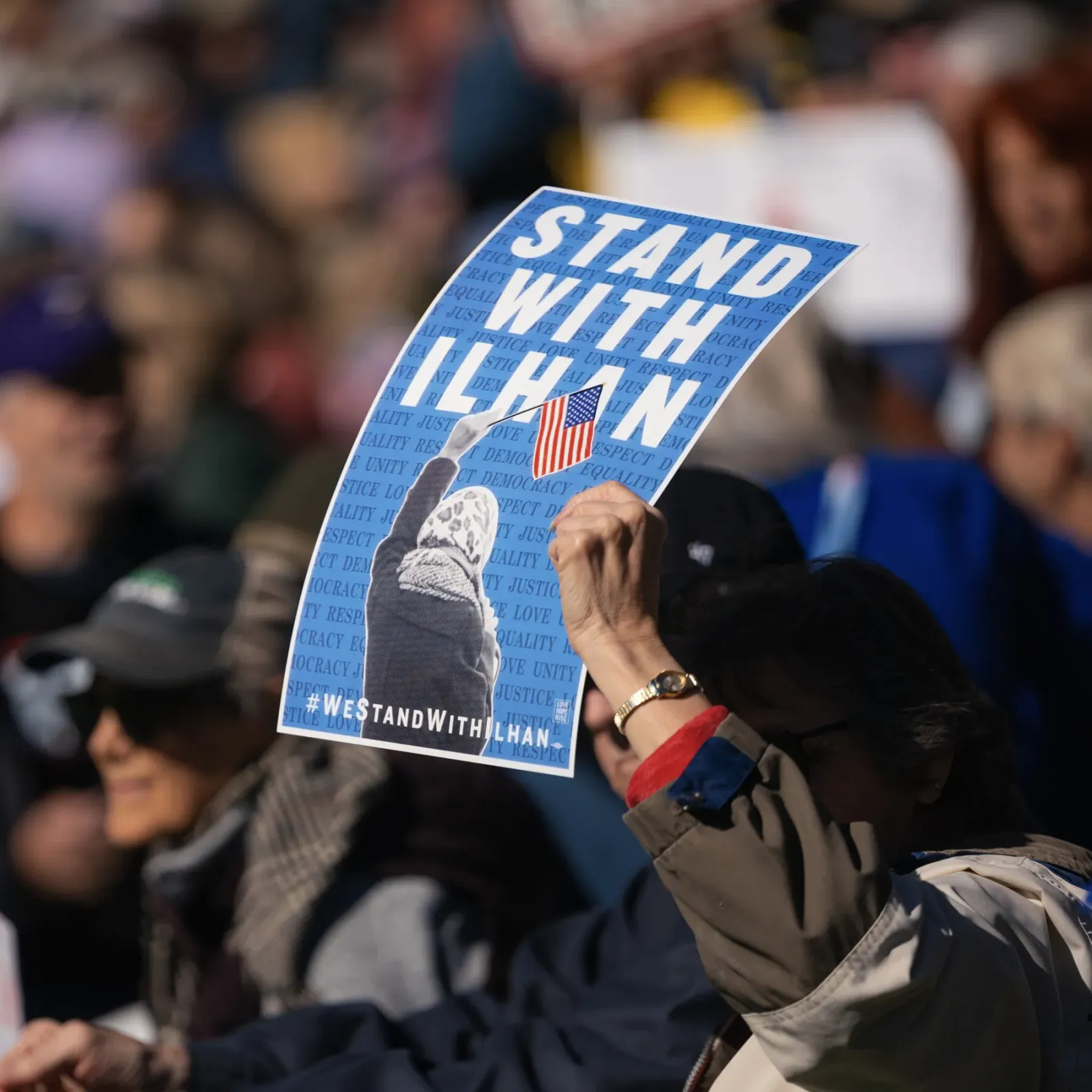
Obama Defends Ilhan Omar After Agents Search Her Home in Trump Inquiry
The former president's intervention raises the stakes in a federal probe into immigration paperwork that has put a prominent progressive lawmaker in the crosshairs.

Blair-era minister: cut welfare to fund youth job support
Alan Milburn's call for welfare cuts to fund employment support opens a Labour fight over benefits and the Neet crisis.
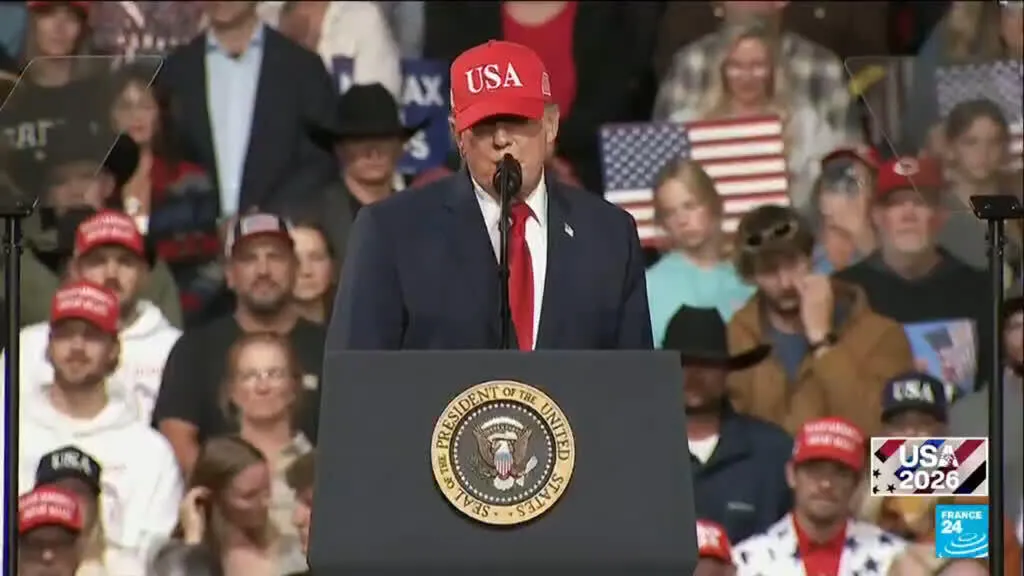
Hot September CPI: energy costs surge, voters feel the squeeze before midterms
The latest inflation print lands as Trump campaigns for GOP control of Congress, putting cost-of-living worries at the center of the midterm fight.