
John Healey warns retailers against “being taken for a ride” at pump and till
As the Iran war keeps squeezing prices, the chancellor says ministers are watching closely for profiteering signals.

Chancellor John Healey says the government stands by to stop shoppers being “taken for a ride at the pump or the till” as the Iran war continues to hit prices. He adds there is “no significant evidence of so-called price gouging” so far, but warns big retailers ministers are “watching closely.”
Chancellor John Healey has drawn a line in the sand for the UK’s biggest retailers, warning they could face scrutiny over how they price food and fuel while the Iran war keeps pressures on everyday costs. In public remarks, Healey framed the issue in plain terms: he said the government wants to prevent shoppers from being “taken for a ride at the pump or the till.”
Importantly, he also insisted that the case for action is not being built on assumptions. Healey said there had been “no significant evidence of so-called price gouging” during the crisis. Even so, he used a weekend column to tell retailers that ministers were “watching closely” for any signs of profiteering. In other words, the message is conditional: evidence has not stacked up yet, but the scrutiny clock is running.
To understand why that matters to executives and boards, you have to connect two things that usually live in different departments. One is market reality: geopolitics can move input costs quickly, and fuel and food are especially sensitive to shocks. The other is human reality: when prices rise, customers interpret the story through a trust lens. If people feel the increase is opportunistic, not cost-driven, regulators and politicians get dragged into the conversation whether they want to or not.
Healey’s wording signals how the government is likely to think about the next steps. The target is not simply high prices. It is profiteering, which is different. The distinction matters because retailers can usually defend pricing that tracks legitimate cost changes, but struggle when pricing looks disconnected from those drivers. By saying there is “no significant evidence” right now, the government is implicitly reserving its strongest response for moments when the pattern becomes hard to explain as normal passthrough.
This is also where incentives start to matter inside a retail organization. Retail pricing is not one knob. It is a system: wholesale procurement, hedging strategies, supply contracts, promotions, store-level execution, and how costs are reflected in separate categories like fuel versus grocery. When political attention spikes, boards often worry less about immediate demand loss and more about the long-run cost of reputational damage. Once shoppers decide you are “taking a ride,” even correct pricing can be treated like a betrayal.
Healey’s warning, delivered via a weekend column, is a classic example of regulator-adjacent communication. It is not the same as a new law, and the source does not describe any specific enforcement action or threshold. But it is a signal aimed at the compliance and commercial teams that manage pricing governance day to day. When ministers say they are “watching closely,” it creates an expectation that retailers will have tighter internal evidence on why changes happened, when they happened, and how they relate to underlying cost pressures from the crisis.
For boards, the second-order implication is about what counts as “evidence.” Even if there is no significant evidence of price gouging today, the absence of evidence is not permanent. It can evaporate quickly as public data moves, comparisons become politically salient, or new information surfaces about margins and pass-through rates. In practice, executives may respond by tightening documentation, refreshing pricing control frameworks, and aligning finance and legal on how they would explain pricing decisions in plain language.
There is also a competitive angle. Retailers may not all experience the same procurement conditions at the same time, especially when fuel and certain food inputs react differently to external shocks. Yet from a customer standpoint, the receipt tells one story. If one group is perceived as more aggressive, that group can become the headline, while others benefit from ambiguity. A ministerial warning can reduce that ambiguity by making the entire sector feel like it is under the microscope. That shifts strategy from “who can get away with it” to “how do we prove we should not be blamed.”
Finally, this is a reminder that food and fuel are political objects, not just commercial categories. The chancellor’s focus on both the pump and the till shows that the government sees the issue spanning both energy and consumer essentials. When the Iran war continues to hit prices, the government is preparing for the moment when public anger could outrun the facts. If that happens, retailers will be asked not only what they charged, but what they did with the breathing room created by higher costs. Healey’s warning suggests that the margin question is already on the menu, even while he says the current evidence does not yet justify a “price gouging” narrative.
For peers in similar roles, the takeaway is straightforward but uncomfortable: you cannot manage pricing only like a spreadsheet when politics is driving interpretation. The government’s current line is calm but watchful. Healey says the public is at risk of feeling “taken for a ride,” and ministers are “watching closely.” In this environment, the difference between defended pricing and a profit scandal can come down to how quickly executives can connect day-to-day numbers to believable cost logic, and how well the company can prove it.
This story's Key Insights and Take-aways are locked.
Create a free account to unlock Executive Actions for one credit.
Register to UnlockAlways free for Executives Club members. Join the Club
More in Politics
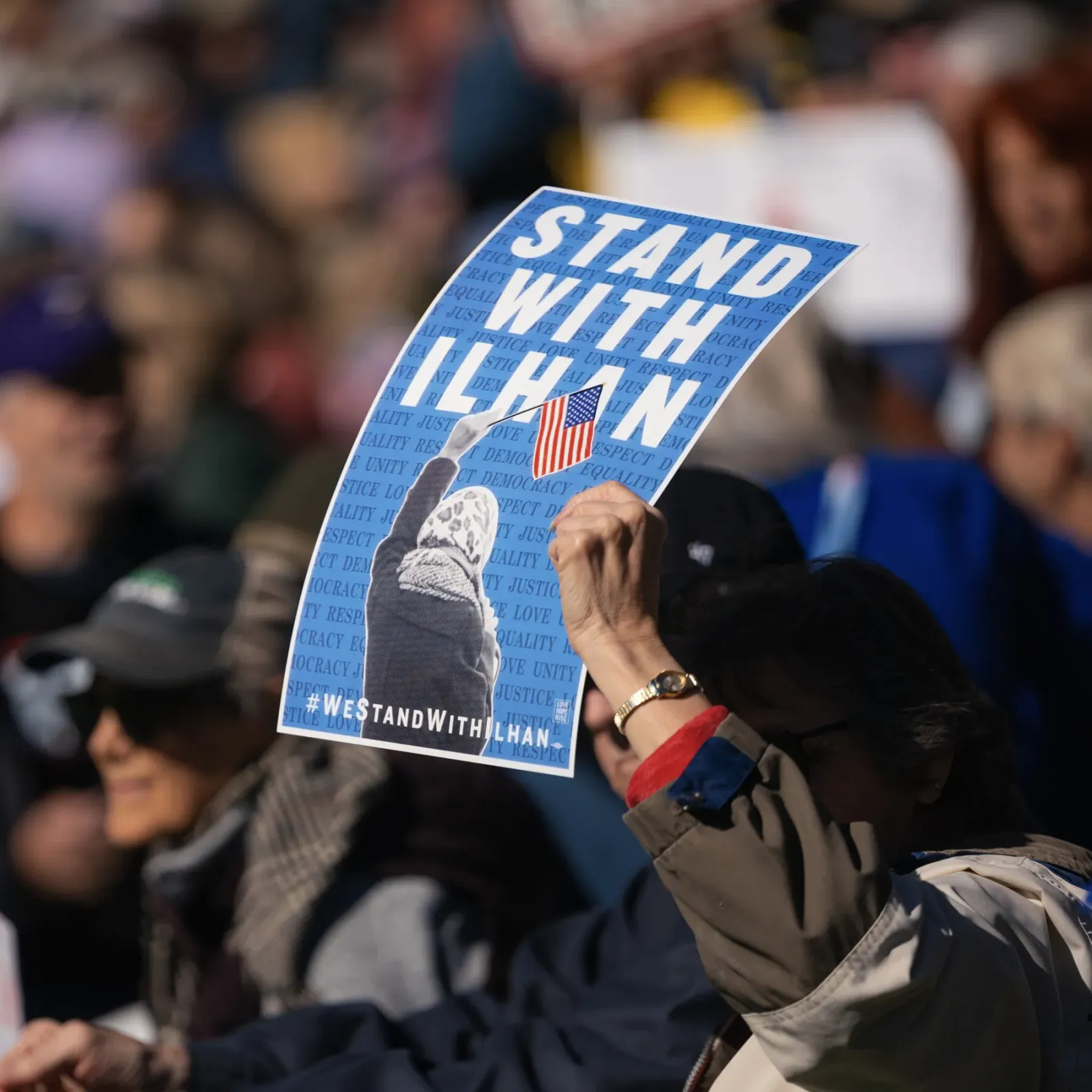
Obama Defends Ilhan Omar After Agents Search Her Home in Trump Inquiry
The former president's intervention raises the stakes in a federal probe into immigration paperwork that has put a prominent progressive lawmaker in the crosshairs.

Blair-era minister: cut welfare to fund youth job support
Alan Milburn's call for welfare cuts to fund employment support opens a Labour fight over benefits and the Neet crisis.
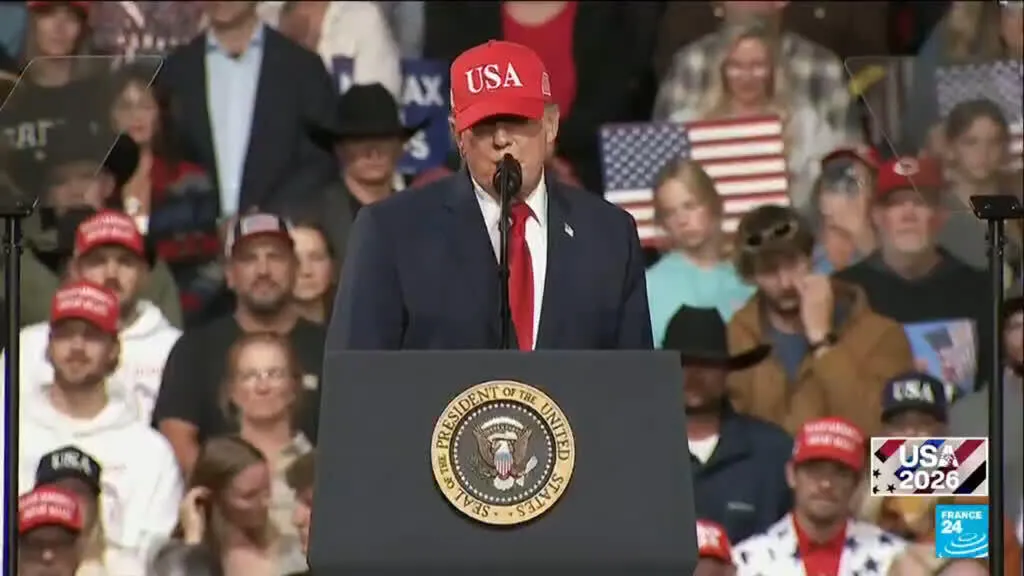
Hot September CPI: energy costs surge, voters feel the squeeze before midterms
The latest inflation print lands as Trump campaigns for GOP control of Congress, putting cost-of-living worries at the center of the midterm fight.