
Marco Rubio meets Saddam Haftar as US tries to unify Libya’s institutions
The US top diplomat presses for military and political unification, even as Libya stays split between rival governments.
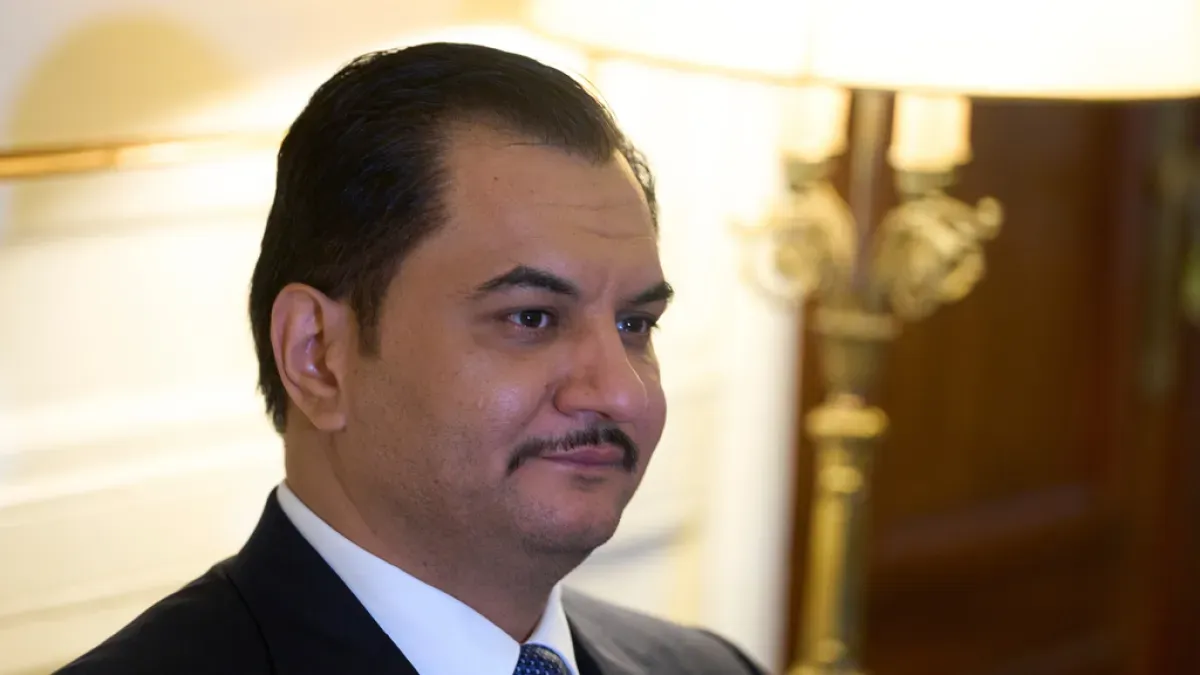
US Secretary of State Marco Rubio met Saddam Haftar, Deputy Commander of the LNA, to discuss Libyan-led efforts to unify the country’s military, economic, and political institutions. For decision-makers watching risk and resources tied to Libya, the push signals Washington wants a workable framework for spending and governance, not just ceasefires.
US Secretary of State Marco Rubio met Saddam Haftar, Deputy Commander of the self-styled Libyan National Army (LNA), as Washington escalates its diplomacy to resolve Libya’s crisis. The talks took place Monday, with the US State Department saying Rubio and Haftar discussed “ongoing Libyan-led efforts to unify the country’s military, economic, and political institutions” and “possible avenues for cooperation to advance unity and peace in Libya.”
Rubio also used the meeting to emphasize division must be overcome, telling the LNA side he appreciated efforts by Libyan leaders to “overcome divisions and move toward unity,” according to the statement. That matters because Libya is not just politically fractured. The country is split between competing authorities in eastern Libya and the internationally recognized authorities in Tripoli, and that split has repeatedly turned political deadlocks into recurring violence and instability.
This is not a one-off photo-op. The US appears to be trying to pull the Libyan parties into a single, workable system that can handle both money and force. The State Department frame is telling: unifying “military, economic, and political institutions” bundles battlefield power with fiscal control and legitimacy, the three things that determine who can actually govern. If you have only one of those, Libya’s history suggests you do not get durable order. You get negotiations, then breakdown, then negotiations again.
The diplomacy has already touched the money side. In April, the US helped broker an agreement for unified spending between the two competing governments. The deal covered wages for public sector employees and the National Oil Corporation. That detail is where executives should sit up. In a fractured state, payroll and state-linked revenue streams are often the fastest path to leverage. Unified spending is also a governance test: can institutions coordinate enough to pay salaries consistently and manage oil-related entities without triggering new factional bargaining? The US is clearly trying to create a framework where those incentives align, at least enough to stop the slide back into chaos.
On the security side, Washington is also pushing military cooperation between eastern and western authorities. Last year, forces loyal to both governments took part in joint drills with the US military in Sirte, a central coastal city. The practical point: drills can be confidence-building, but they also require command and rules that imply a baseline of coordination. For the parties involved, accepting joint formats is a way of signaling that military rivalry is no longer the only language. For outside actors, it is a signal that the operational map might be shifting, even if the political map still looks messy.
To understand why this is urgent, you have to rewind the timeline. Libya’s descent into chaos began after a NATO-backed armed uprising toppled longtime leader Muammar Gaddafi in 2011. The current fractured governance traces back to 2014, when Libyans elected a new legislative body, the House of Representatives, amid low turnout due to clashes between armed groups. A top court in Tripoli declared that House invalid. But the House did not dissolve. It backed a rival government in the east, which then received support from the LNA, formed by Khalifa Haftar, Saddam Haftar’s father.
Khalifa Haftar is central to the LNA story: he served as a senior officer in the Libyan army under Gaddafi, defected, and moved to the US in 1990 after being captured by Chadian forces during fighting between Chad and Libya. He has been the de facto ruler of eastern Libya since his LNA consolidated power after 2016. In 2019, the LNA mounted a campaign to capture Tripoli, reached the capital, then had gains quickly rolled back by forces loyal to the internationally recognized government. A ceasefire in 2020 reduced some fighting, but the country stayed divided, with clashes regularly breaking out.
Saddam Haftar, described as the heir apparent to lead the LNA, has recently been meeting with top officials across the region and the world, including Egypt’s defence minister and French President Emmanuel Macron. That kind of diplomatic activity is often a tell that internal succession and external bargaining are converging. In parallel, the US is pushing the political process further through its own intermediaries. The administration of US President Donald Trump has deepened Washington’s diplomatic efforts in oil-rich North Africa, with White House adviser Massad Boulos leading an initiative to unify the two competing governments. Boulos told Al Hadath TV on Friday that the Libyan sides would be invited to Washington, DC, to sign a final agreement in the presence of Trump, should one be reached. Boulos also said, in a social media post, that the US would continue efforts to support the Libyan people who have suffered 15 years of war and division.
For executives and boards, the second-order implication is straightforward: diplomacy here is not just about politics, it is about predictability. When unified spending and oil-linked institutions are on the table, firms with exposure to the region should think in scenarios tied to institutional credibility, not just ceasefire durations. If the US can keep parties engaged on military cooperation and economic unification, the chances improve that contracts, supply chains, and regulatory certainty can stabilize. If it fails, the pattern from Libya’s past is clear: ceasefires can hold on paper while the underlying split keeps re-igniting conflict. Rubio’s meeting with Saddam Haftar is one step in a push to change that pattern by forcing the parties to talk about institutions that govern war, pay, and oil together, not separately.
This story's Key Insights and Take-aways are locked.
Create a free account to unlock Executive Actions for one credit.
Register to UnlockAlways free for Executives Club members. Join the Club
More in Politics
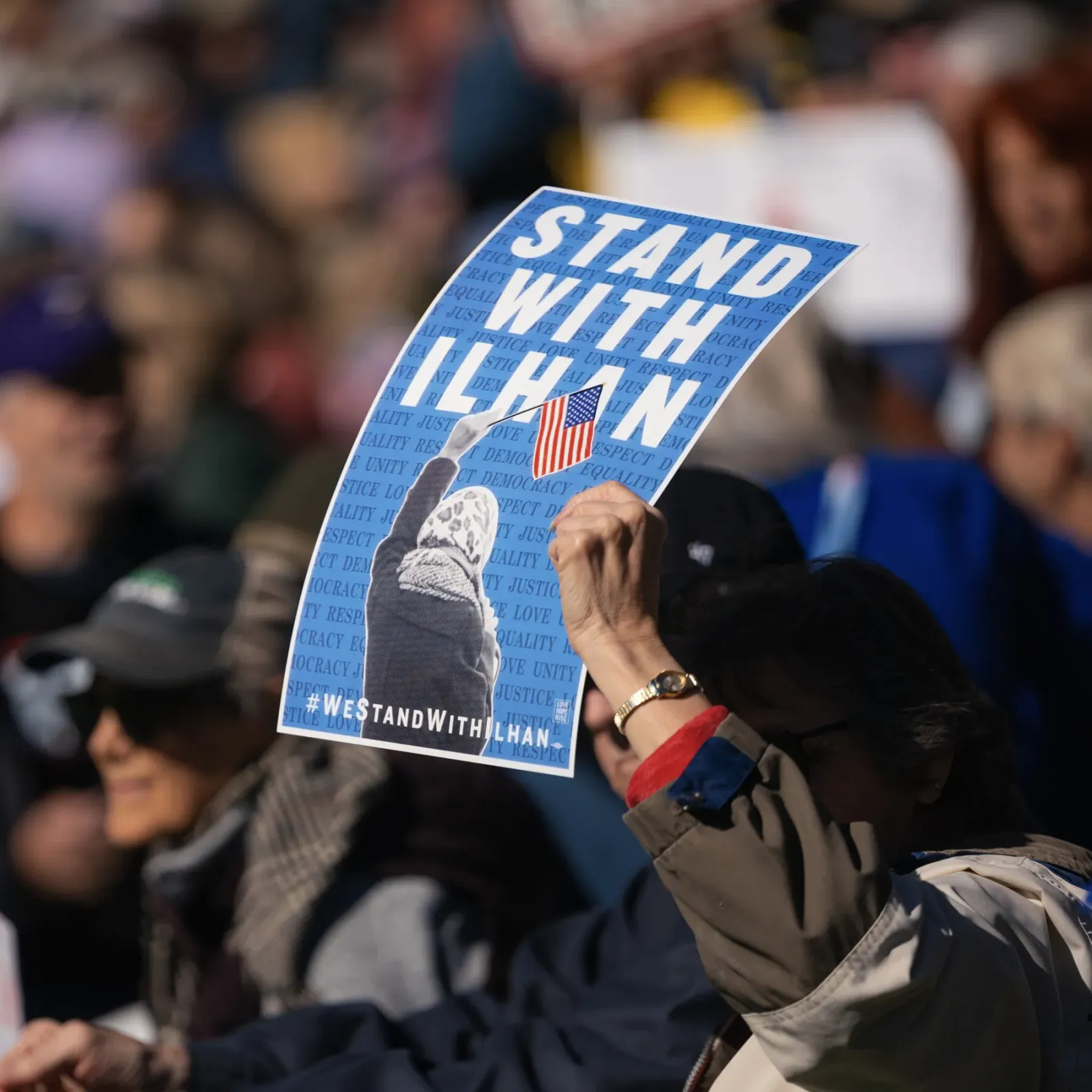
Obama Defends Ilhan Omar After Agents Search Her Home in Trump Inquiry
The former president's intervention raises the stakes in a federal probe into immigration paperwork that has put a prominent progressive lawmaker in the crosshairs.

Blair-era minister: cut welfare to fund youth job support
Alan Milburn's call for welfare cuts to fund employment support opens a Labour fight over benefits and the Neet crisis.
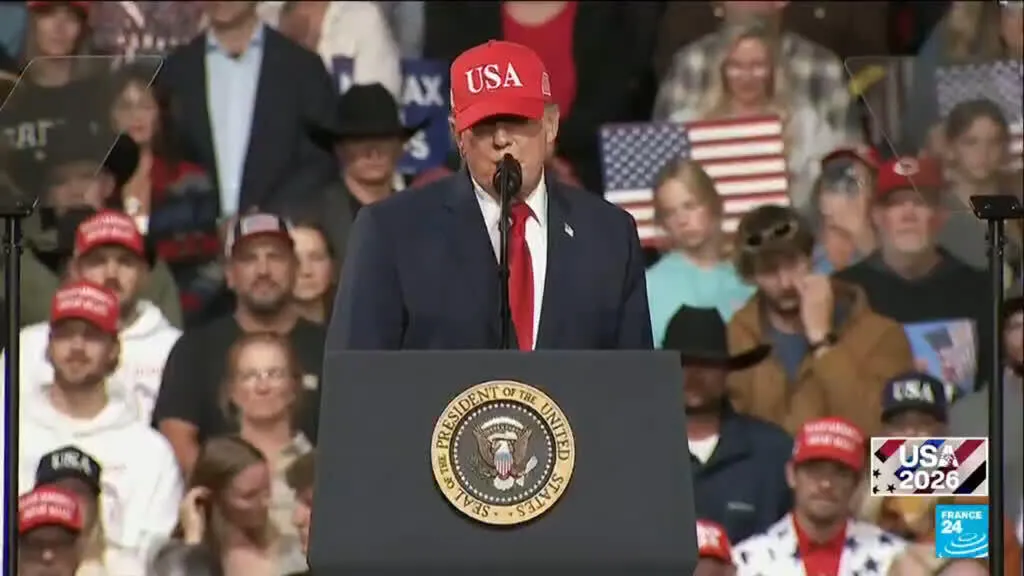
Hot September CPI: energy costs surge, voters feel the squeeze before midterms
The latest inflation print lands as Trump campaigns for GOP control of Congress, putting cost-of-living worries at the center of the midterm fight.