

Mariano Rajoy sparks backlash after remark French team has 'no French players'
The ex-Spanish prime minister’s comment ignites criticism in both Spain and France, forcing leaders to think beyond football.

Mariano Rajoy, Spain’s conservative ex-prime minister, faced criticism at home and in France after saying France’s national football team had "no French players." For decision-makers, the fallout is a live example of how nationalist rhetoric can escalate quickly across borders.
Spain’s conservative ex-prime minister Mariano Rajoy drew criticism at home and in France Sunday after he said the neighbouring country’s national football team had “no French players.” That one sentence is now doing exactly what political language often does when it crosses from domestic messaging into international symbols: it becomes a flashpoint, not a footnote.
The remark targets something most people treat as identity, not policy. Football teams are one of the few areas where a country’s “we” feels tangible. So when Rajoy questioned France’s squad as lacking “French players,” the implication was not just about lineups, but about belonging. And because the comment is aimed at France while coming from a prominent Spanish political figure, it instantly travels, landing in France as criticism as well as in Spain. The source frames the situation plainly: “faced criticism at home and in France Sunday,” after the “no French players” line.
Why does this matter beyond the sport? Because leaders, executives, and board members increasingly operate in a world where every public statement has cross-border consequences. In geopolitics and in business, optics can become outcomes. A single phrase can influence how partners interpret intent, how audiences respond, and how media ecosystems amplify disputes. The second-order effect here is not that a football roster changes overnight. It is that trust, legitimacy, and the perceived tone of a governing class can shift quickly when identity language is used carelessly or strategically.
Even if you are not a football stakeholder, you still run into the same incentives. Politicians and senior public figures often face domestic pressure to signal toughness or cultural protection. That is part of the broader pattern of how conservative and populist messaging tends to work: it draws boundaries, rewards in-group loyalty, and frames outsiders as a threat. But the moment the boundary is drawn around a specific group in a neighbouring country, the message is no longer only for domestic voters. It becomes a diplomatic signal, whether that is intended or not.
In practical terms, the “no French players” claim also invites a reality-check culture clash. Football is a mix of birthplace, nationality rules, and complex eligibility processes that differ by federation and tournament rules. When a public figure reduces that complexity to a blunt identity label, it invites challenge from journalists, fans, and political opponents. That challenge then spreads because it is emotionally easy to understand: people can see the players, associate them with France, and argue about whether the label fits. So the backlash grows not only because people disagree, but because people can point to concrete evidence and feel the dispute is unfair.
For executives, boards, and investor-facing leaders, this story is a reminder that reputational risk is no longer confined to corporate mishaps. It can attach itself to politics, to culture, and to high-visibility events like international sports. When a politically prominent person makes a remark that is widely perceived as xenophobic, the reputational residue can linger and become a talking point for months. Organizations linked by sponsorship, communications partnerships, or even general brand affinity may be asked to clarify their stance, whether they want to or not.
The strategic stakes are especially high for leaders who advise or interface with governments, regulators, or international stakeholders. Comments that sound like domestic political messaging can create friction abroad. That friction can show up later in subtle ways: harder negotiations, slower approvals, more scrutiny from regulators, and more intense media attention. The source does not list any formal sanctions or regulatory actions. What it does highlight is the immediate backlash in both Spain and France, which is often the first stage of a wider chain reaction.
In 2026, reputational shocks travel faster than any official response. Social media, media syndication, and cross-border audiences compress the timeline. Sunday criticism, as described here, is not just an immediate reaction. It is an early indicator of how a statement will be framed over time and how it will shape perceptions of cultural respect and national narratives. For peers in similar roles, the lesson is not to avoid politics entirely. It is to understand that identity language has a cost, especially when it spills over national borders.
This story's Key Insights and Take-aways are locked.
Create a free account to unlock Executive Actions for one credit.
Register to UnlockAlways free for Executives Club members. Join the Club
More in Politics
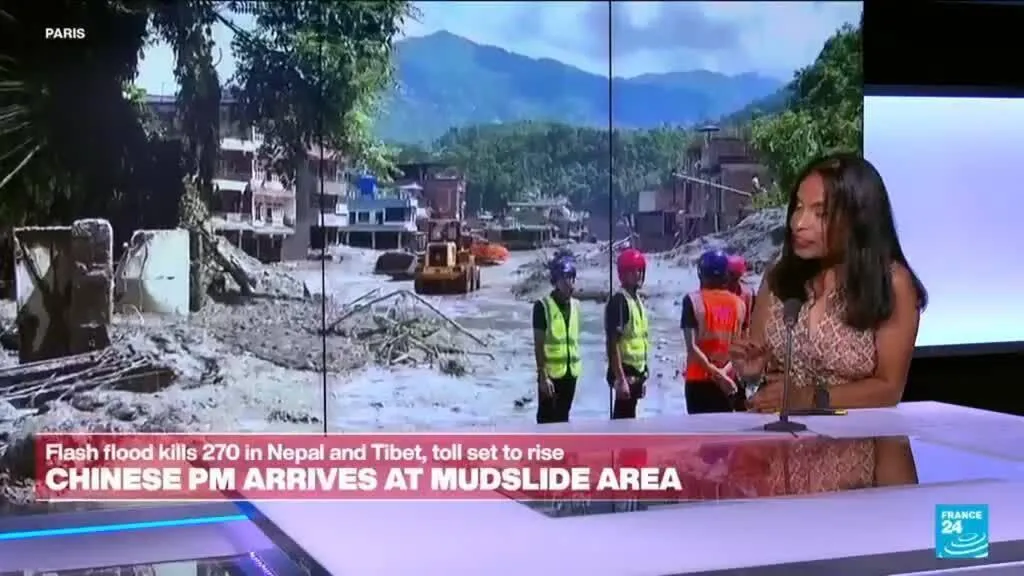
Glacial collapse, not rain, killed 180 in Nepal's Himalayan flood
The Himalaya's extreme geography hid the true cause of Nepal's catastrophic flood, a glacial collapse that turned a geological battleground into a mass-casualty zone.
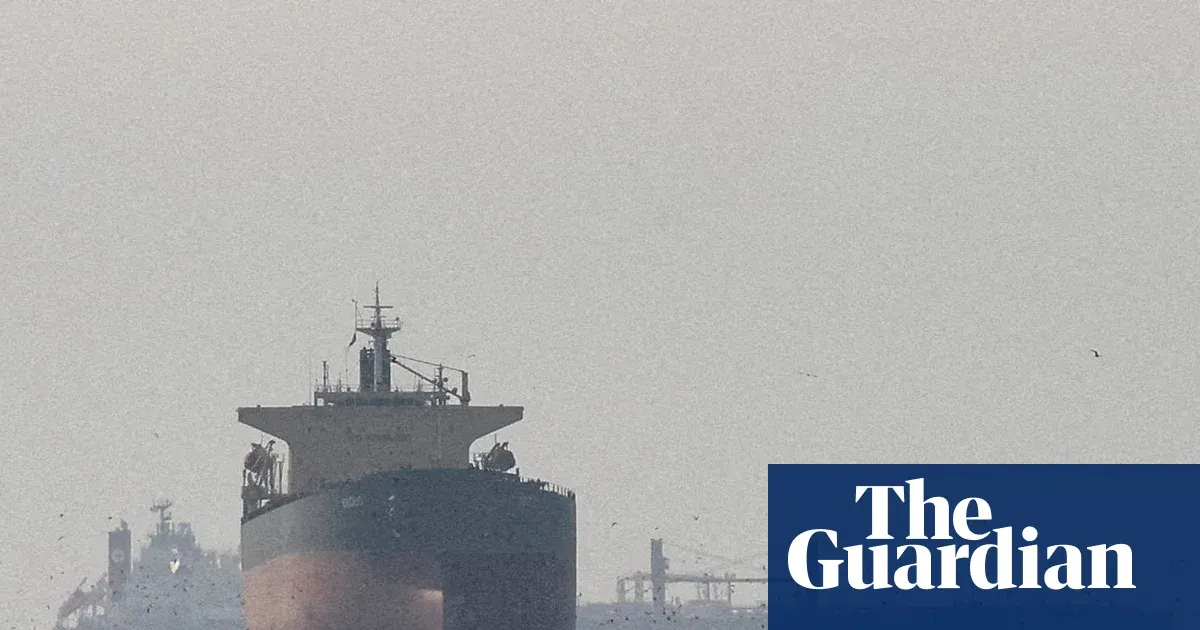
Iran’s Esmail Baghaei says Oman talks start shipping via Hormuz, not US talks yet
Temporary route plans with Oman aim to restart commerce while Tehran says Washington dialogue is not on the table.

Standards watchdog opens probe into Reform UK deputy leader Richard Tice over interests
The parliamentary standards commissioner says it began an investigation on 28 July into a possible undeclared interest.