

Marine Le Pen’s graft appeal keeps her out, and Jordan Bardella waits for the nomination
National Rally has less than a year to April 2027, and the candidate choice will test far-right win math without Le Pen.

Marine Le Pen is appealing a graft conviction that barred her from seeking office for five years, while National Rally has not yet designated a 2027 presidential candidate. Her protégé Jordan Bardella is positioned to step in, but doubts remain about whether he can win the Élysée Palace.
France’s April 2027 presidential election is less than a year away, and National Rally still has not designated a candidate. That timing gap is not just political theater. It is a scheduling problem, a coalition problem, and a legitimacy problem, all wrapped together, at exactly the moment voters and allied institutions need a clear standard-bearer.
The clock is especially tricky because Marine Le Pen is appealing a graft conviction that barred her from seeking office for five years. With Le Pen unable to pursue office right now, Jordan Bardella, her young protégé, is poised to step in. But the big unresolved question is whether Bardella, despite being positioned as the successor, has what it takes to win the Élysée Palace.
To understand why a candidate announcement matters so much, you have to look at how political momentum works like a market. The public does not just evaluate platforms in the abstract; it evaluates whoever can plausibly deliver. In the late-stage period before an election, attention moves to the person who can consolidate support, reassure swing voters, and hold the center of gravity for the party. If National Rally stays candidate-less too long, it forces every outside observer, media outlet, donor-adjacent network, and political alliance to keep re-running the same scenario questions. In practical terms, that can dilute clarity and slow down the formation of a stable coalition around one face.
There is also a structural incentive for the party to solve this quickly. National Rally’s internal calculus is likely balancing two needs: maintaining continuity with Le Pen’s brand and law-and-order narrative, while also adopting a candidate who can broaden appeal and withstand scrutiny without Le Pen personally leading. Bardella is already the protégé in waiting, which implies the party sees him as the vehicle for continuity. Still, doubts about whether he can win highlight the uncomfortable truth that succession is not guaranteed just because a protégé is ready. Winning a presidential election requires a candidate who can convert support into votes at scale, not only inspire the core.
Meanwhile, Le Pen’s situation is more than a personal setback. A graft conviction that barred her from seeking office for five years creates a hard regulatory boundary on who can formally run, regardless of who remains influential behind the scenes. Even as she appeals the conviction, the immediate political reality stays: she cannot be a candidate for the election because of that five-year bar. That is a high-stakes constraint for National Rally, because it forces the party to plan under uncertainty. Appellate outcomes can take time, and politics cannot wait for a courtroom schedule. So the party must decide how to campaign without the person whose name carries the most direct shorthand to its movement.
Second-order implications show up in coalition behavior. When a party leader is unavailable to run, allies and soft supporters often ask whether the party can still command confidence. In the short term, that can mean more hedging by those who might otherwise commit early. In the long term, it can shift how centrist voters perceive the movement. A younger candidate like Bardella could help present the idea of renewal, but he also inherits every lingering question about experience and electability that voters tend to demand in a national contest.
This is why the candidate choice becomes strategically important beyond the National Rally camp. France’s election is the kind of event where expectations can harden quickly. If National Rally presents a successor early and credibly, it can lock in a narrative before opponents can define a competing story about who can actually win. If it delays, opponents gain extra time to shape voter assumptions, and the party risks entering the final stretch without a single, durable focal point for persuasion.
For executives and boards operating in politically exposed environments, the lesson is familiar even outside politics: timing plus legitimacy equals momentum. A party that does not designate a candidate while a top figure is boxed out by a legal bar invites volatility in expectations. That can spill over into areas like business confidence, policy signaling, and how stakeholders interpret future regulation. Even without inventing any specifics beyond the facts at hand, the scenario itself is the point. With less than a year to April 2027, National Rally is operating in a narrow window where the regulatory constraint on Le Pen and the succession question around Bardella collide, and the outcome will shape not just who wins, but how quickly observers decide the race is actually settled.
So the stakes are straightforward. National Rally needs to answer, fast, whether Bardella is more than a placeholder, whether the movement can mobilize without Le Pen’s direct candidacy, and whether the Élysée Palace is within reach using a face that some doubt can deliver.
This story's Key Insights and Take-aways are locked.
Create a free account to unlock Executive Actions for one credit.
Register to UnlockAlways free for Executives Club members. Join the Club
More in Politics
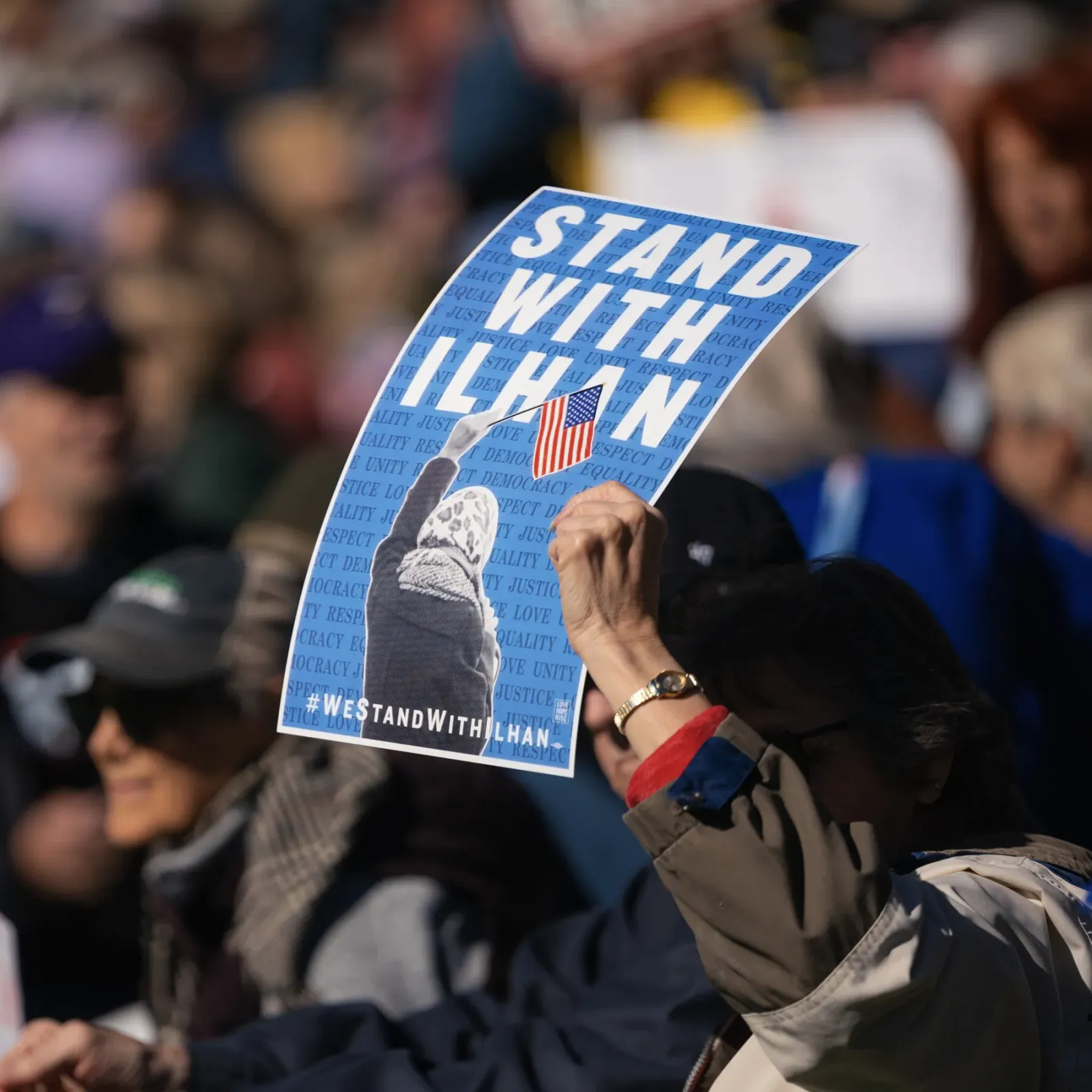
Obama Defends Ilhan Omar After Agents Search Her Home in Trump Inquiry
The former president's intervention raises the stakes in a federal probe into immigration paperwork that has put a prominent progressive lawmaker in the crosshairs.

Blair-era minister: cut welfare to fund youth job support
Alan Milburn's call for welfare cuts to fund employment support opens a Labour fight over benefits and the Neet crisis.
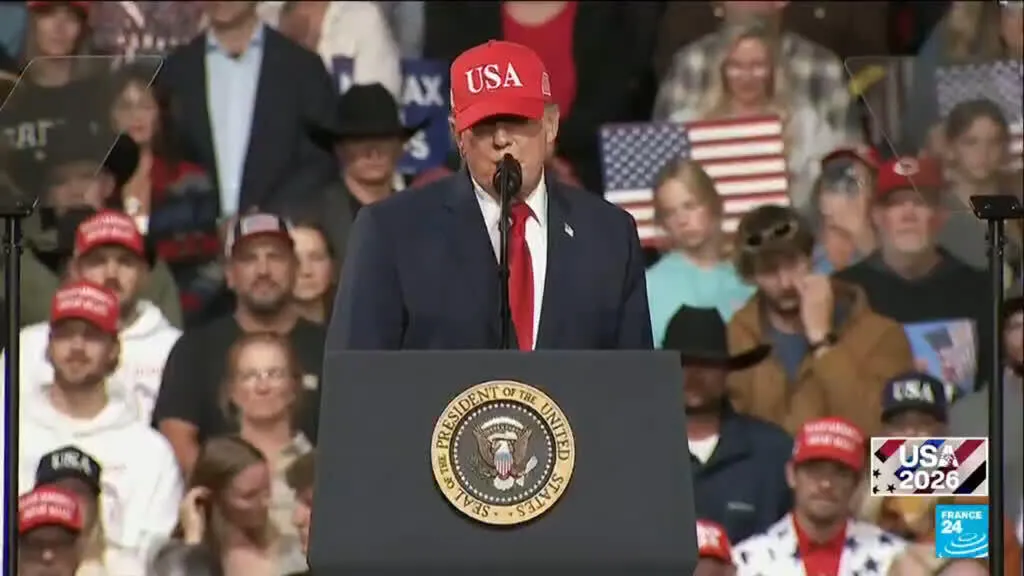
Hot September CPI: energy costs surge, voters feel the squeeze before midterms
The latest inflation print lands as Trump campaigns for GOP control of Congress, putting cost-of-living worries at the center of the midterm fight.