
Masdar and EUDC plan 1GW 24/7 renewable baseload in Uzbekistan
The UAE-backed push moves renewables from “intermittent” to “always on,” with grid and capital implications.

Masdar and EUDC are exploring a 24/7 renewable energy project in Uzbekistan designed to deliver up to 1 gigawatt of baseload power. Decision-makers should treat it as a signal of where grid planning, financing models, and carbon strategies are heading.
Masdar and EUDC are exploring a 24/7 renewable energy project in Uzbekistan that is designed to deliver up to 1 gigawatt of baseload power. The headline detail is the point: baseload is what many markets have historically associated with coal and gas. If renewables can credibly claim “always on” capacity, it changes how governments plan grids, how utilities contract power, and how investors underwrite long-term returns.
So what does “24/7 renewable” actually mean in practical terms? In most power systems, the problem with renewables is not that the resource disappears, but that supply does not always match demand. Day and night, weather patterns, and seasonal swings force operators to balance the system with dispatchable generation, storage, flexible demand, or other mechanisms. The move toward baseload-backed renewable projects is an attempt to engineer that mismatch away, or at least package it so customers can treat renewable output as reliable capacity rather than variable energy.
This matters now because “net zero” strategies are hitting a hard operational wall. It is one thing to announce decarbonisation targets. It is another thing to run the grid when demand peaks, when the weather under-delivers, or when outages happen. That is why projects like this are increasingly discussed as grid-first bets, not only climate-first gestures. Utilities and regulators have to decide what counts as firm power, how capacity is measured, and what penalties or guarantees are tied to performance.
At the same time, politics can make the financing conversation noisy. The broader sustainability news stream included Trump attacking green energy policies and calling climate change a “con job.” Even if you are not tracking US election rhetoric for your day job, the downstream effect is real: political pushback can delay incentives, shift subsidies, and reshape the risk profile for developers. That tends to push capital toward projects that can stand on commercial structure and operational certainty, not just policy tailwinds.
The UAE’s broader sustainability playbook also gives context. The news roundup noted a “milestone” moment as the UAE produces low-carbon aluminium using the Barakah nuclear plant. It also mentioned an article about a UAE university getting a US patent for a carbon-cutting battery designed to power green goals. Together, these point to a strategy of stacking multiple decarbonisation pathways, rather than betting everything on one technology. When you combine that with the Masdar and EUDC 24/7 plan, the pattern looks clearer: reduce emissions while still delivering the kind of energy reliability that industrial customers and grid operators demand.
Regionally, the renewables question is already entangled with national energy security. Another item asked whether Saudi Arabia is closer to fully depending on renewables for power. That is not a purely technical question. It is about infrastructure timelines, grid interconnection, storage and flexibility investments, and contract terms. If Uzbekistan becomes a testbed for a renewable baseload model at up to 1 gigawatt, it could influence how other markets think about scaling “firm” renewable capacity across borders.
And there is another layer: supply chains and commodities. The roundup flagged copper’s looming “major deficit,” and copper is the kind of bottleneck that can quietly slow clean energy buildouts. More renewable baseload systems also mean more transmission, more substations, more grid upgrades, and more components. When procurement tightens, schedules slip and costs rise. That is why decisions about firming renewables are tightly coupled to materials availability and logistics, not just generation capacity.
Finally, the capital markets view: “always on” renewable projects are structurally attractive, because they can support bankable revenue streams tied to capacity and performance. But they also raise the bar for engineering, verification, and system integration. For boards and executive teams making energy transition decisions, the strategic stake is simple. The winning players are the ones who can translate net-zero ambition into operational reliability, without relying on wishful thinking. A 24/7 renewable project designed for up to 1 gigawatt baseload is a telling step in that direction, and it will likely feed into how investors and regulators evaluate the next wave of power procurement across the region and beyond.
This story's Key Insights and Take-aways are locked.
Create a free account to unlock Executive Actions for one credit.
Register to UnlockAlways free for Executives Club members. Join the Club
More in Business
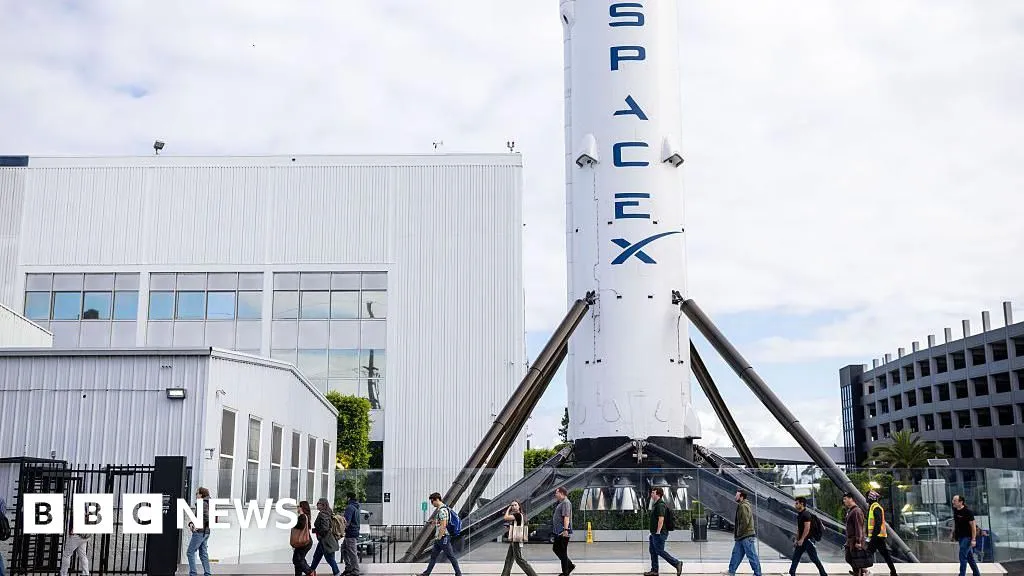
SpaceX raises $75bn in public sale, setting up Elon Musk’s record stock-market debut
A $75 billion public raise before a record listing turns SpaceX’s next chapter into a trillionaire test for markets.

SpaceX sets IPO at $135, selling 555M+ shares and launching trading Friday
Elon Musk's rocket company prices its world-scale IPO at $135 per share, moving into public markets immediately.
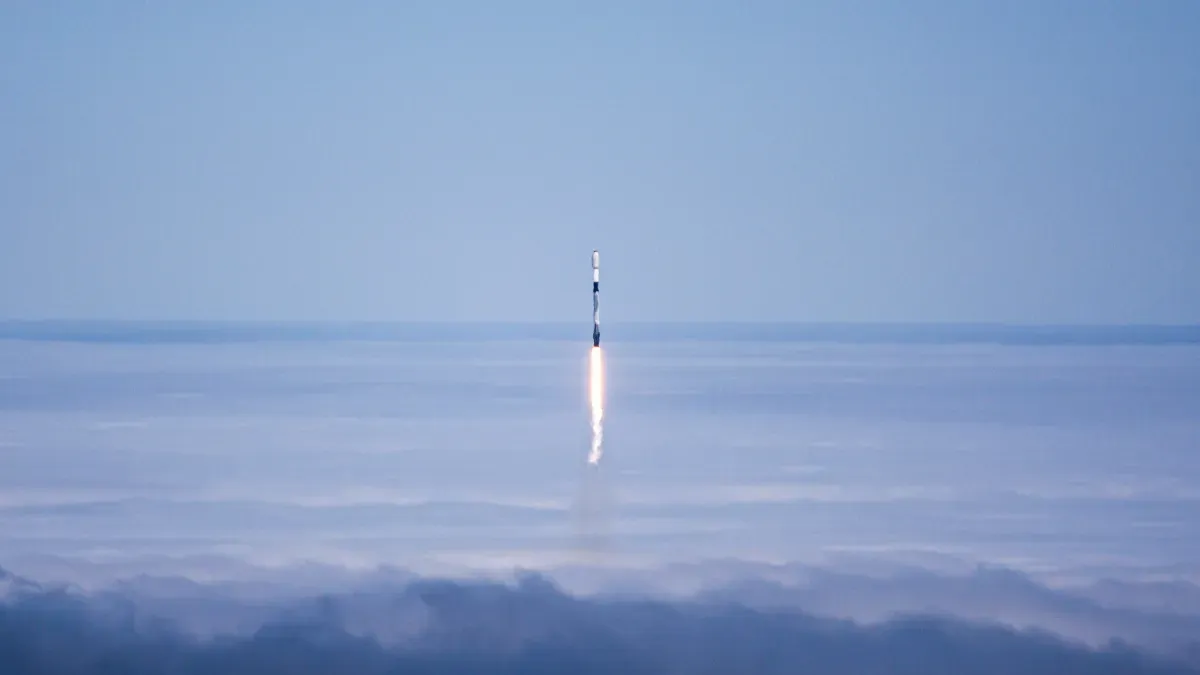
SpaceX prices IPO at $135 per share, starting the biggest listing ever
SpaceX moves from rumor to price point: $135 per share signals a new bar for private-market exits and public-market gravity.