
McMaster sets up Lindsey Graham’s Senate replacement race in South Carolina
A sudden vacancy triggers an intra-party scramble, right when Democrats are hunting a narrow path to Senate control.
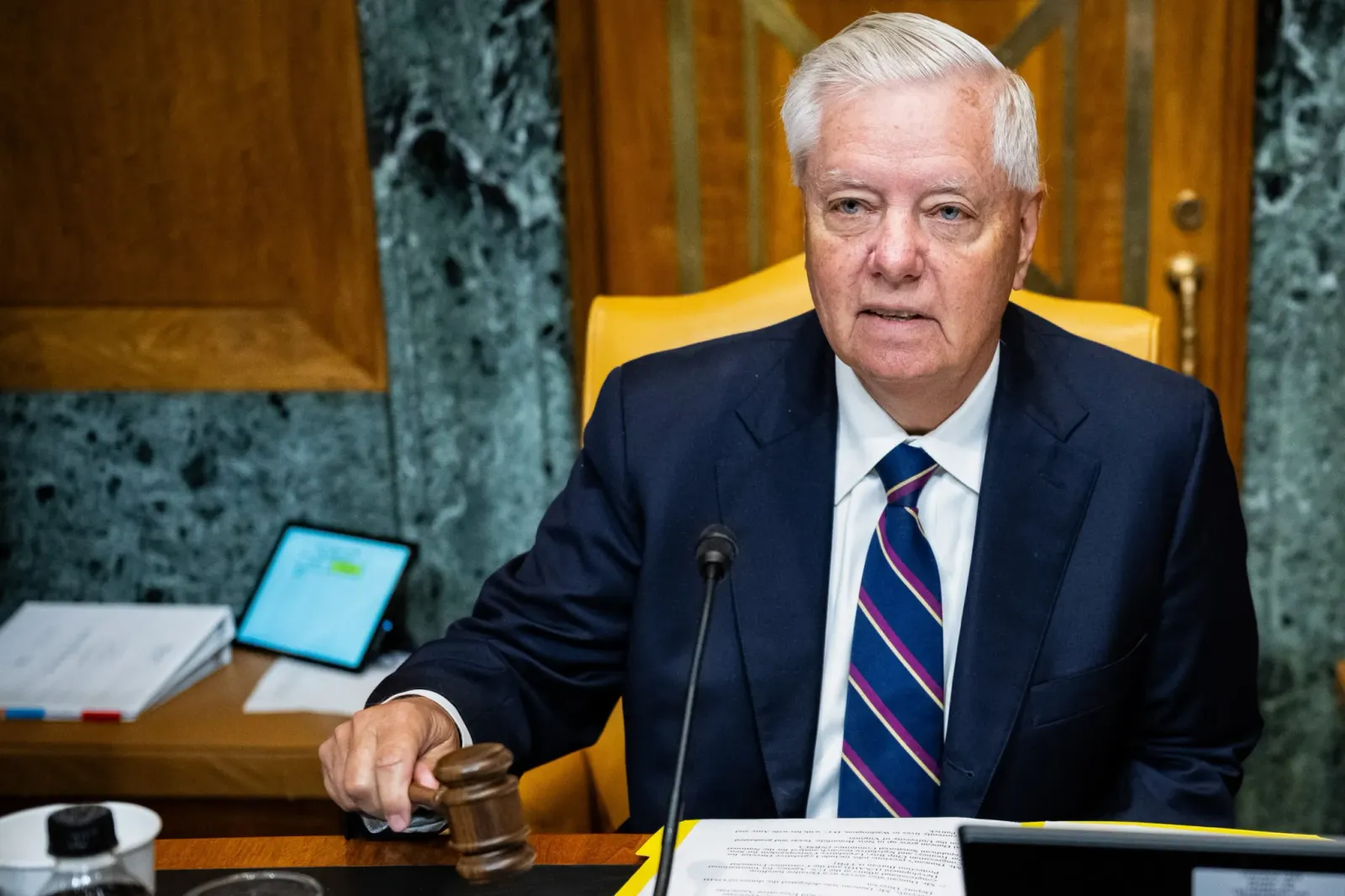
Senator Lindsey Graham died Saturday after a “brief and sudden illness,” and South Carolina Republican Governor Henry McMaster can name a replacement for the remainder of Graham’s term. That decision kicks off a state-law timeline that funnels the fight into a special primary and reshapes the GOP majority calculus for the fall midterms.
Senator Lindsey Graham’s sudden death on Saturday, after a “brief and sudden illness,” is already colliding with South Carolina’s rules for replacing elected officials. Governor Henry McMaster can name a replacement for the remainder of Graham’s term, but the sequence that follows matters even more than the interim appointment. Under state election law, the process then calls for a special primary election, setting up what the source describes as an intra-party scramble less than four months before the midterms.
Graham, who died two days after his 71st birthday, was scheduled to face Democrat Annie Andrews, a pediatrician, in November. The vacancy compresses the timeline and changes who each side needs to beat. It also raises the probability that Republicans, who normally coast in this “deeply conservative state,” end up fighting themselves just as voters are deciding whether to reward or punish the national party. The immediate question for decision-makers is not just “who is the nominee,” but whether the GOP can keep discipline long enough to protect seats while Democrats try to convert chaos into votes.
President Donald Trump said Sunday he had a candidate in mind to take over the seat but would not publicly name them because it was “just too soon” after Graham’s death. Trump told NBC’s Meet The Press, “I don’t want to even talk about anybody. But I do have somebody that I think is really good.” Trump’s timing is a tell. When an incumbent dies, endorsements can solidify support quickly, or they can inflame a contested primary if they land on the wrong person. The source notes Trump endorsed Lieutenant Governor Pamela Evette in her failed bid for the Republican nomination for governor, but it is not known whether she is interested in the Senate seat.
If the GOP is looking for a low-drama solution, the law does not really allow it. Once McMaster names a replacement, state election law then triggers the special primary. That structure tends to pull power away from whoever is “appointed” and toward whoever can win the internal fight on the calendar. The source flags how this can “throw the race into chaos” and create openings for Andrews. Even though Andrews is considered a long shot in a state that is safely Republican, the source also points out that 2022 election year dynamics can favor outsiders who communicate effectively on issues like affordability.
Why does that matter beyond one seat? Because Democrats need a net gain of four seats to win the Senate majority, and momentum can come from thin margins. The broader environment is already not ideal for the GOP. The source says Graham’s death, combined with the prolonged hospitalization of Kentucky Republican Senator Mitch McConnell, narrows the GOP’s majority “at least in the short term.” In practical terms, when leadership capacity is reduced and succession fights intensify, everyone on the board, on the campaign trail, and in allied institutions has to ask the same question: can the party still deliver votes with discipline?
Graham’s political positioning also has potential downstream effects. The source says Graham was a close ally of Trump and supported the Iran war, which drove up gasoline prices and was widely unpopular with voters. That historical record gives Democrats an issue-based narrative they can carry into November, even if the candidate field shifts again after the vacancy. On Sunday, Andrews responded with a bid for unity, calling for “setting partisanship aside and offering gratitude” for Graham’s service to the state.
Within the Republican bench, the scramble is already showing up in the background. Representative Joe Wilson, the state’s senior House member, ruled himself out of the running to replace Graham, posting on social media that he had spoken with Trump Sunday and “assured” the president that his “goal is to remain in the House to keep his two-vote majority.” A person familiar with Wilson’s thinking told Bloomberg that Wilson was interested in filling the seat, which underscores the tension: public exits can still leave behind private ambition. Another detail complicates the field. The source identifies Alan Wilson, Joe Wilson’s son, as the likely winner because Alan Wilson won the state Republican gubernatorial primary last month. Yet Alan Wilson’s likely rise to governor does not automatically remove other options.
The source names other potential contenders for the Senate seat, including Representatives Nancy Mace and Ralph Norman, both of whom could “also vie” for the seat. Their offices did not respond to requests for comment. It also lists more political notables who may theoretically surface for a rare chance at a Senate seat, such as former four-term Representative Trey Gowdy, and former Governor Nikki Haley. Haley served as US ambassador to the United Nations in Trump’s first term and ran against him for the 2024 GOP nomination. For executives and board-level strategists who spend their time thinking about risk, this is the operational lesson in politics: when rules force rapid decisions and timelines, organizational focus fractures, even in places that usually stay predictable.
For decision-makers watching this closely, the immediate strategic stake is vote protection. McMaster’s replacement choice is an accelerant, not the conclusion, because the special primary election pulls the race back into competitive territory. If Republicans mismanage the internal contest, Democrats may not need to “flip” South Carolina as much as they need to avoid losing it. Meanwhile, national parties have to coordinate messaging, fundraising, and legislative priorities while the GOP majority tightens in the short term. In an environment where leadership availability is constrained and public dissatisfaction is tied to real costs like gasoline prices, one succession decision can ripple far beyond one seat.
This story's Key Insights and Take-aways are locked.
Create a free account to unlock Executive Actions for one credit.
Register to UnlockAlways free for Executives Club members. Join the Club
More in Politics

Glacial collapse, not rain, killed 180 in Nepal's Himalayan flood
The Himalaya's extreme geography hid the true cause of Nepal's catastrophic flood, a glacial collapse that turned a geological battleground into a mass-casualty zone.

Iran’s Esmail Baghaei says Oman talks start shipping via Hormuz, not US talks yet
Temporary route plans with Oman aim to restart commerce while Tehran says Washington dialogue is not on the table.

Standards watchdog opens probe into Reform UK deputy leader Richard Tice over interests
The parliamentary standards commissioner says it began an investigation on 28 July into a possible undeclared interest.