
Mexico snaps 40-year World Cup knockout drought, beats Ecuador 2-0 for last 16
Julián Quiñones and Raúl Jiménez deliver Mexico’s first knockout win since 1986, reshaping the pressure around El Tri.

Mexico beat Ecuador 2-0 on Tuesday as Julián Quiñones and Raúl Jiménez scored, sending El Tri to the last 16. For decision-makers watching brand momentum, this is a rare, measurable sports reset: a long-running tournament narrative gets broken in one match.
Mexico is officially out of the 40-year timeout.
On Tuesday, El Tri beat Ecuador 2-0 to reach the last 16 at the World Cup, ending a 40-year wait for a knockout-stage victory. The win was not a debate or a near miss. It was a clean, controlled result with goals from Julián Quiñones and Raúl Jiménez. Just as important for anyone tracking Mexico’s global football standing, it was their first win beyond the group stage since the 1986 tournament Mexico hosted.
For executives, founders, and investors, this is one of those moments where sports outcomes behave like business signals. They are not just “wins.” They are the removal of a long-term constraint that shaped how stakeholders think, invest, and commit. A 40-year drought creates inertia. It affects perception, which influences sponsorship willingness, broadcast demand, youth participation, and the internal culture of a national team. When that drought ends, the narrative flips quickly, and narratives matter because they drive behavior.
There is also a systems angle. World Cups are tournament sprints with strict structure: group stage first, then the knockout stage. You can qualify, but qualification alone does not change the core question fans and institutions ask every four years: can you survive the do-or-die pressure? Mexico reaching the last 16 is one thing. Mexico winning the knockout lottery after decades is the part that changes the conversation, because it directly answers that question.
Mexico’s scorers matter, too, because they represent a broader message about where goals can come from in a tournament setting. Julián Quiñones and Raúl Jiménez finding the net turns the match from a tactical struggle into an outcome with irreversible momentum. In business terms, that is the difference between “we worked hard” and “we produced results under constraints.” Knockout matches compress time. They punish hesitation. They magnify small advantages. A 2-0 scoreline signals that Mexico did not merely hang on. They created separation and then maintained it.
The historical reference is not trivia. “Since 1986” is a long span in anyone’s career cycle. Even if you are a casual follower, you know what that implies: previous tournament generations did not get the signature breakthrough that would restart confidence permanently. That is how droughts work. They become a baseline assumption. Every new cycle starts with an inherited burden: prove it again, and prove it quickly. Breaking that pattern in a single match does not guarantee future success, but it removes a psychological and reputational floor.
For boards and leadership teams in sports organizations and adjacent media businesses, knockout-stage performance can have knock-on effects. Rights negotiations, audience planning, and sponsor activation calendars are all built around expectations of audience size, global visibility, and matchday excitement. When a team reaches and wins in knockout rounds, the product expands: more matches, more time in prime attention windows, and more international reach. That is why a drought-ending win is strategically relevant. It increases the odds that stakeholders treat future tournament windows as opportunities rather than costs.
There is also a competitive context. Ecuador came into the match with its own tournament hopes, but Mexico’s ability to win 2-0 and advance to the last 16 means the competitive order shifts. In knockout stages, the quality of opposition and the style of play can turn a season-long storyline into a single night’s reality. Mexico now has a path where they have already demonstrated the ability to deliver in a knockout setting. That tends to change how future matchups are approached, from training emphasis to risk tolerance.
Finally, consider what this means for anyone building systems around talent pipelines and execution. Mexico’s breakthrough beyond the group stage, last seen since the 1986 tournament they hosted, is a reminder that long-term programs need one decisive proof point to restart momentum. Sometimes the world waits years for a single signal. Tuesday provided it: Mexico reached the last 16 after beating Ecuador 2-0, with Julián Quiñones and Raúl Jiménez scoring, and the 40-year knockout drought ended. That is the kind of moment that can reshape internal expectations and external narratives for the next cycle, because the scoreboard finally did the talking.
This story's Key Insights and Take-aways are locked.
Create a free account to unlock Executive Actions for one credit.
Register to UnlockAlways free for Executives Club members. Join the Club
More in Politics
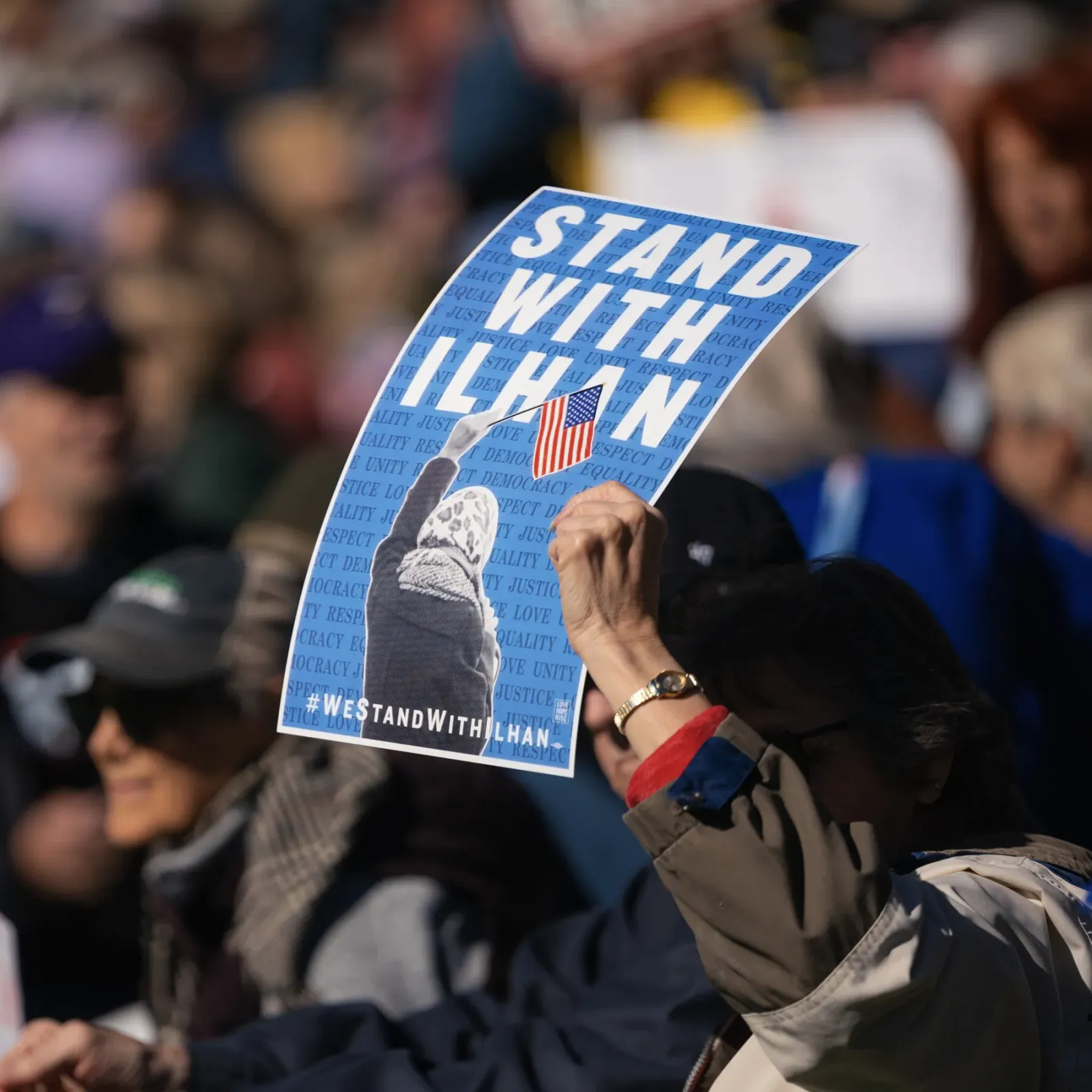
Obama Defends Ilhan Omar After Agents Search Her Home in Trump Inquiry
The former president's intervention raises the stakes in a federal probe into immigration paperwork that has put a prominent progressive lawmaker in the crosshairs.

Blair-era minister: cut welfare to fund youth job support
Alan Milburn's call for welfare cuts to fund employment support opens a Labour fight over benefits and the Neet crisis.
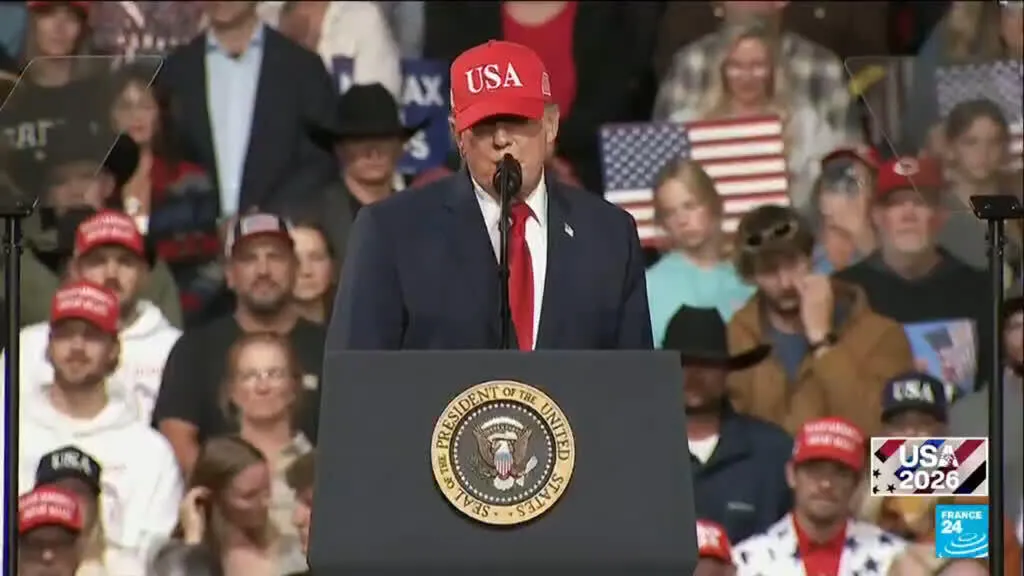
Hot September CPI: energy costs surge, voters feel the squeeze before midterms
The latest inflation print lands as Trump campaigns for GOP control of Congress, putting cost-of-living worries at the center of the midterm fight.