
Microsoft's CFO took the job without asking the salary. She made $29.5M in 2025
Amy Hood missed her first day at Microsoft in 2002 and never asked what the job paid. Her advice to a graduating class that is 60% pessimistic about its prospects: lower your bar.
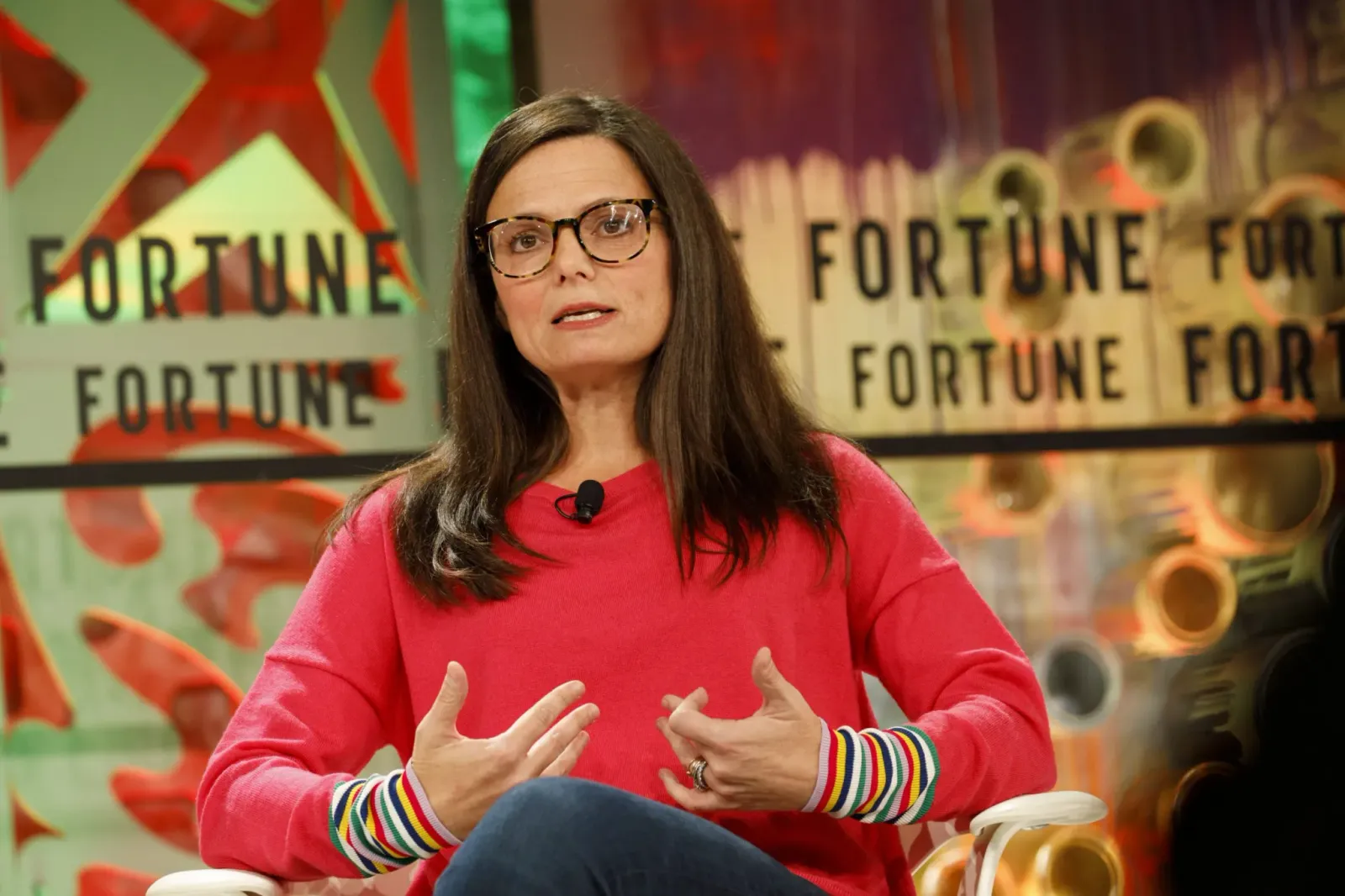
Amy Hood, Microsoft's chief financial officer, accepted a job at the company in 2002 without asking about the salary, missed her first day after miscalculating a drive from California to Seattle, and earned $29.5 million in total compensation in 2025 alone. Her commencement advice to a class of 2026 that is more than 60% pessimistic about its career prospects is a direct challenge to how companies recruit, screen, and pay early-career talent.
Amy Hood took a job at Microsoft in 2002 without asking what it paid. "It was a job, a step forward, and truthfully, I needed a paycheck," Microsoft's now-chief financial officer said, recounting the decision during Duke University's commencement ceremony in May. She also missed her first day, having miscalculated how long it would take to drive her silver Volvo from California to Seattle. More than two decades later, the arithmetic has flipped hard: Hood earned $29.5 million in total compensation in 2025 alone, and she has run the finances of one of the world's biggest tech companies since being named CFO in 2013.
That is the whole pitch of her story, and it is a useful one for anyone hiring or job-hunting right now. Hood's rise was not a ladder. It was a series of detours that looked like mistakes at the time: an economics degree from Duke in 1994, early years at Goldman Sachs, an MBA from Harvard, then a decision to quit corporate banking without much of a plan. She considered going back to school for a third degree. Instead she landed an internship with the National Park Service, convinced she would be sent to Yosemite or Yellowstone. "I thought, this is perfect. It's a sign," she recalled. She was assigned to Alcatraz Island, which she described as "a prison on a rock." She quit after a single day.
Months of job searching followed. Then a friend called to ask whether she wanted to interview at Microsoft, a company that had already rejected her twice. She got the role, in investor relations, and said yes without negotiating. The rest is a two-decade climb through the ranks of a company that now ranks highly on Fortune's lists of the World's Most Admired and America's Most Innovative Companies.
Hood's message to the class of 2026 landed at an awkward moment. More than 60% of that graduating class is pessimistic about its career prospects, according to a report from Handshake. College seniors surveyed by the real estate platform Clever expect to earn roughly $80,000 within a year of graduating, while the average starting salary for recent graduates is closer to $56,000, a gap of nearly $24,000. Tech companies, Microsoft included, have cut thousands of roles in recent years as they restructure and ramp up investments in artificial intelligence.
So Hood told some of the most accomplished young people on the planet to lower their bar. "I can't believe I'm saying this," she said, "but maybe lower your bar a little. Be open that something may not be exactly right, but could turn out to be a perfect place to learn about yourself, what you like, what you don't. All the steps matter, and it took me decades to figure that out."
For executives, that is not just commencement poetry. It is a hiring thesis. Companies that have spent recent years trimming headcount while talking about a talent shortage are competing for a generation that has been told, correctly, that the first rung is the hardest to reach. Hood's framing, that a next step only has to be an opportunity, is the kind of pitch that costs nothing and travels well. It also cuts against the way many firms screen: chasing the candidate with the perfect linear resume while overlooking the one who will take the job, learn the business, and stay.
There is a compensation angle too. Hood accepted an offer without knowing the number, a move that would be harder to repeat today. For context, pay transparency requirements have spread across a growing number of US states in recent years, and candidates increasingly arrive with salary ranges in hand. That shift is broadly good for workers, but it also changes the calculus Hood described. When the salary is known up front, the decision has to be made on something else: whether the role is a step forward, and whether the people around it are worth learning from.
Her closing advice was about risk. "Remember, there aren't that many one-way doors, so go through a few of those things. And if you get a no, just try a new door," she said. "Every step builds confidence, even the ones that feel like mistakes at the time, especially those. After all, the best stories always come from those moments."
For a CFO who once quit a National Park Service internship after a single day and missed her first day at Microsoft, the story checks out. The strategic stakes for peers are straightforward: the next generation of operators is being formed in a market where many young workers struggle to land even a first full-time job. The companies that treat a first job as a learning contract rather than a loyalty test are the ones most likely to end up with the person running the place 20 years later.
This story's Key Insights and Take-aways are locked.
Create a free account to unlock Executive Actions for one credit.
Register to UnlockAlways free for Executives Club members. Join the Club
More in Business
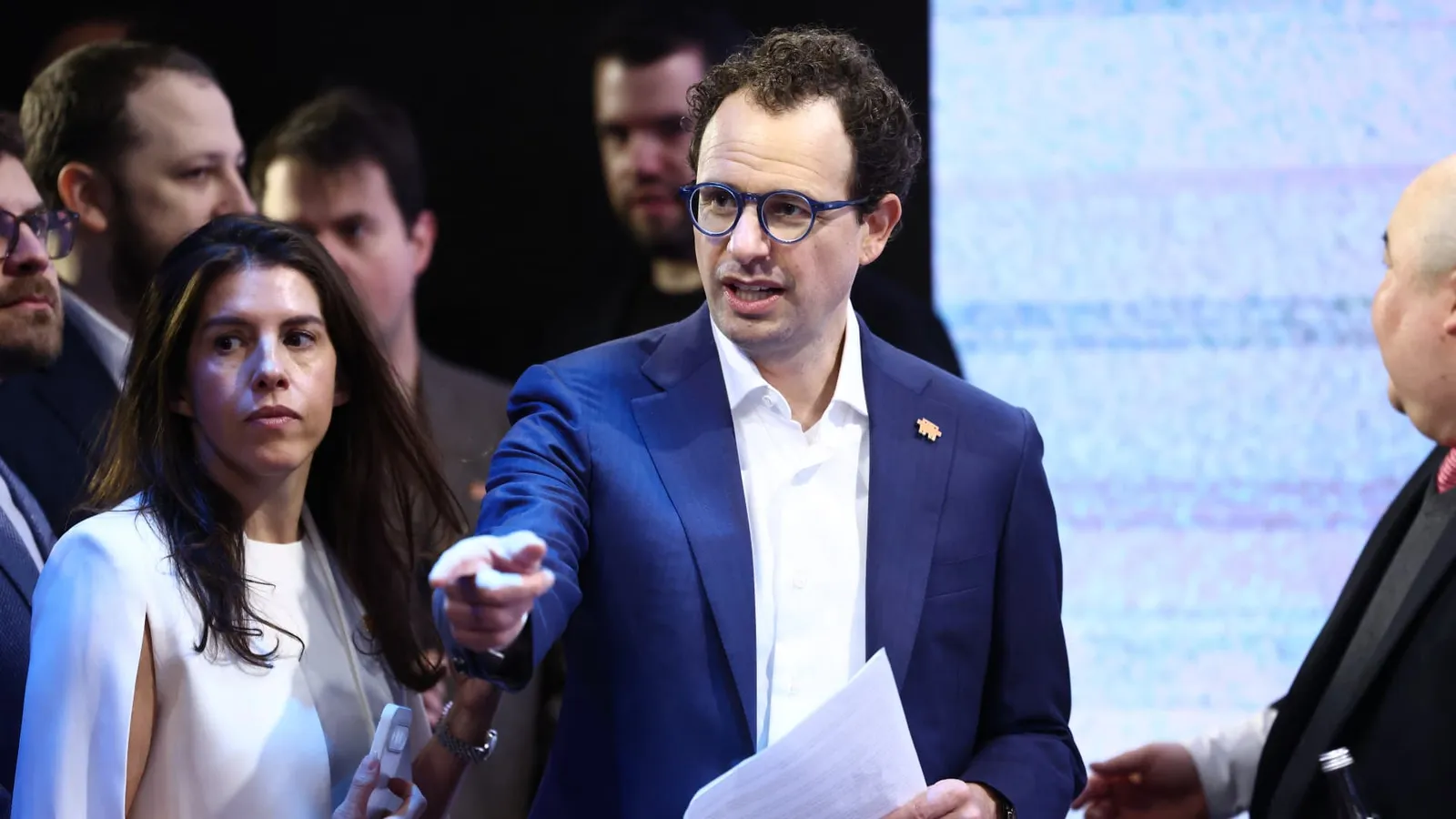
Anthropic's record IPO lands a day before Nvidia's longest losing streak since 2008
Anthropic's record Nasdaq debut and Nvidia's longest weekly losing streak since 2008 landed within 24 hours of each other, and the contrast shows how fast the market is re-pricing the AI trade.
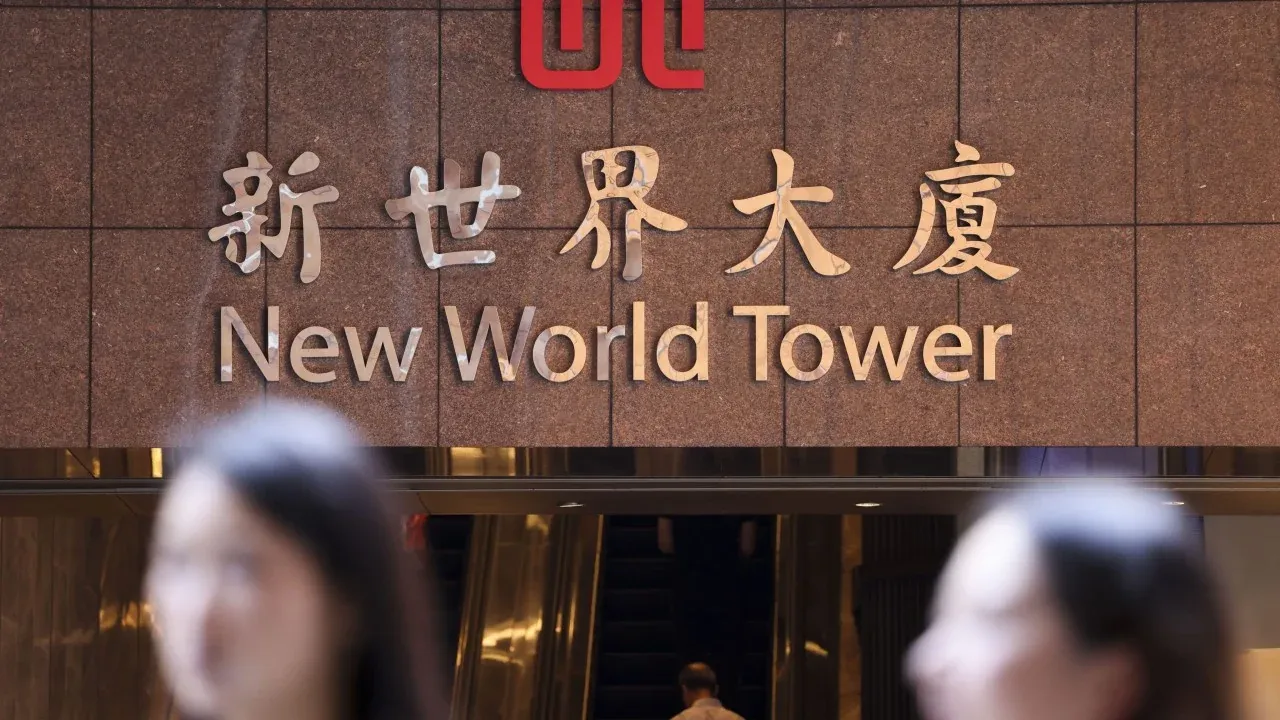
New World's HK$24.9B rights issue triggers 41% plunge as HK$50B debt target looms
New World Development has three levers left to erase up to HK$50 billion in borrowings by 2031, and shareholders just told the market what they think of the first one.
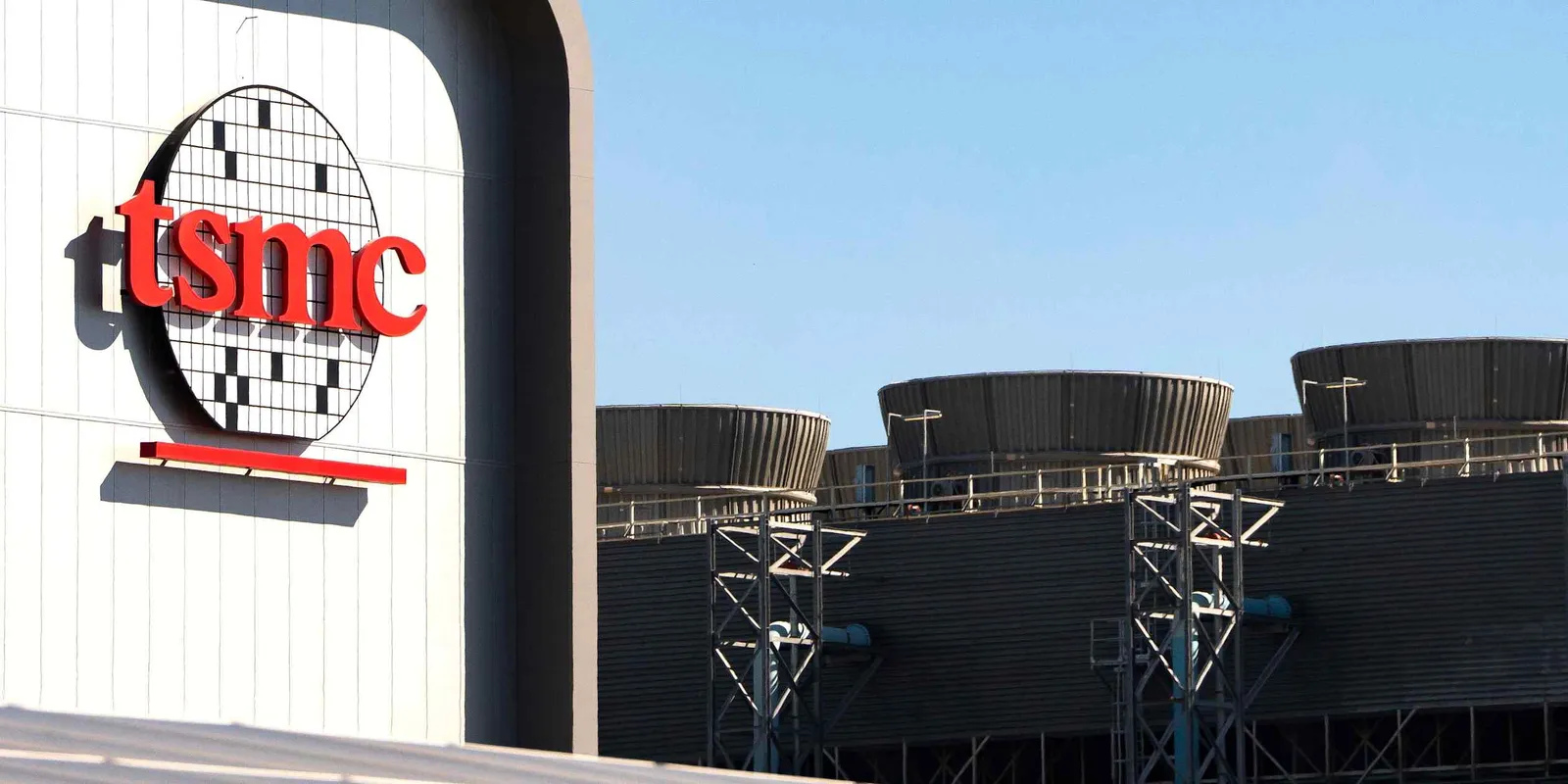
Chip supply chain warns new US export controls will spread beyond the target list
Suppliers, distributors and equipment makers say the latest US restrictions will not stay contained to the firms named on paper, putting orders, inventory and delivery timelines at risk across the global chip chain.