
Miles Davis gets a city-sized 45th anniversary spotlight at Jazz à Vienne
Vienne’s 45th Jazz à Vienne turns 100 years since Miles Davis’s birth into a festival anchor, plus parade and pool shows.

Jazz à Vienne’s 45th edition in Vienne, southeastern France spotlights late Miles Davis for 100 years since his birth, with headliners including Jon Batiste, Marcus Miller, Buena Vista Social Club, and Jeff Mills. For decision-makers, the event is a case study in how cultural brands can drive place-based attention and community participation through programming choices.
Marjorie Hache is on the ground in Vienne, southeastern France, at the 45th edition of Jazz à Vienne. And the festival’s most pointed move is also the quietest: it spotlights Miles Davis, 100 years since his birth, turning a historical milestone into today’s main event story.
According to France 24, Miles Davis played at Jazz à Vienne four times during his lifetime, leaving what the piece describes as a lasting mark on the town. That detail matters because it reframes the usual “tribute” model. This is not just name-dropping a legend. The festival is anchoring a full year of attention around a specific, documented relationship between artist and place.
This year’s programming reads like a who’s-who of multiple jazz universes. France 24 lists headliners including Jon Batiste, Marcus Miller, Buena Vista Social Club, and Jeff Mills. In executive terms, that mix is a distribution strategy for audiences. If you want cross-generational turnout, you do not lean on one style or one demographic. You curate multiple entry points into the same brand promise: live jazz that feels both credible and discoverable.
Then comes the “only in Vienne” layer, where the festival’s attention to setting becomes part of the product. Hache highlights Cameroonian band Akutuk’s concert in a swimming pool, framed as an ode to their ancestral links with water. There is a real lesson here for operators and cultural leaders: venue is not just logistics. It is narrative. A pool show forces the audience to experience the sound and the visual identity together, which can deepen recall and word-of-mouth far more than a standard stage configuration.
The other standout France 24 mentions is New Orleans trumpeter James Andrews, who is transforming the streets of Vienne into a giant parade. That detail matters beyond the cute mental image. Turning streets into performance space changes how a festival moves through a city. It shifts the event from a ticketed, contained experience into something closer to public infrastructure. For stakeholders, that can increase dwell time in local businesses, expand casual participation, and reduce the friction of “festival-only” attendance by inviting people who were simply walking by.
Now, let’s translate the cultural mechanics into decision-maker implications, even if no one at Jazz à Vienne is running a boardroom playbook. Festivals like this often operate at the intersection of public funding expectations, community legitimacy, and sponsor visibility. When a festival marks “100 years since his birth” and ties it to an artist who actually played there four times, it provides a factual backbone that can make stakeholder conversations easier. Cities and partners do not want fluff. They want programming with verifiable relevance, especially when budgets are not infinite and scrutiny is real.
There is also a strategic brand lesson in how France 24 describes Miles Davis’s connection. The article does not treat the spotlight as generic reverence. It emphasizes that Davis left a lasting mark on the town, and it names the number of times he played. That specificity can help a festival defend why this year’s narrative deserves center stage. In a world where cultural calendars are crowded and attention is expensive, credible continuity is a competitive advantage.
For executives and boards watching the broader ecosystem, the second-order takeaway is straightforward: the best festivals behave like platforms. They do not only “host concerts.” They create reasons to travel, reasons to stay, and reasons to talk. Jazz à Vienne is doing that by combining global headliners, place-specific history through Miles Davis, and format experiments like pool performances and street parades. If you run a cultural institution, sponsor program, or community initiative, this is a reminder that programming choices can be growth levers, not just artistic decisions.
This story's Key Insights and Take-aways are locked.
Create a free account to unlock Executive Actions for one credit.
Register to UnlockAlways free for Executives Club members. Join the Club
More in Politics
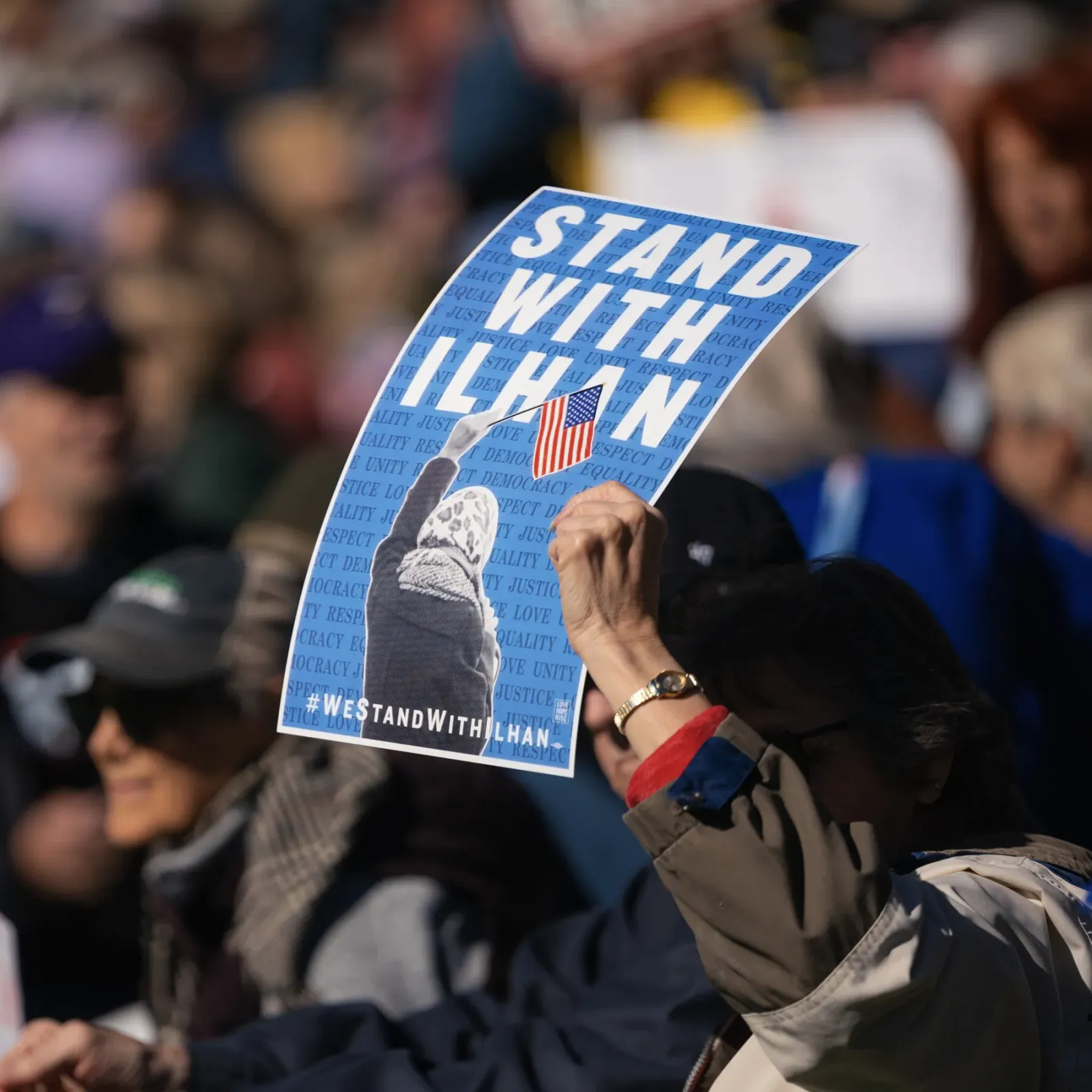
Obama Defends Ilhan Omar After Agents Search Her Home in Trump Inquiry
The former president's intervention raises the stakes in a federal probe into immigration paperwork that has put a prominent progressive lawmaker in the crosshairs.
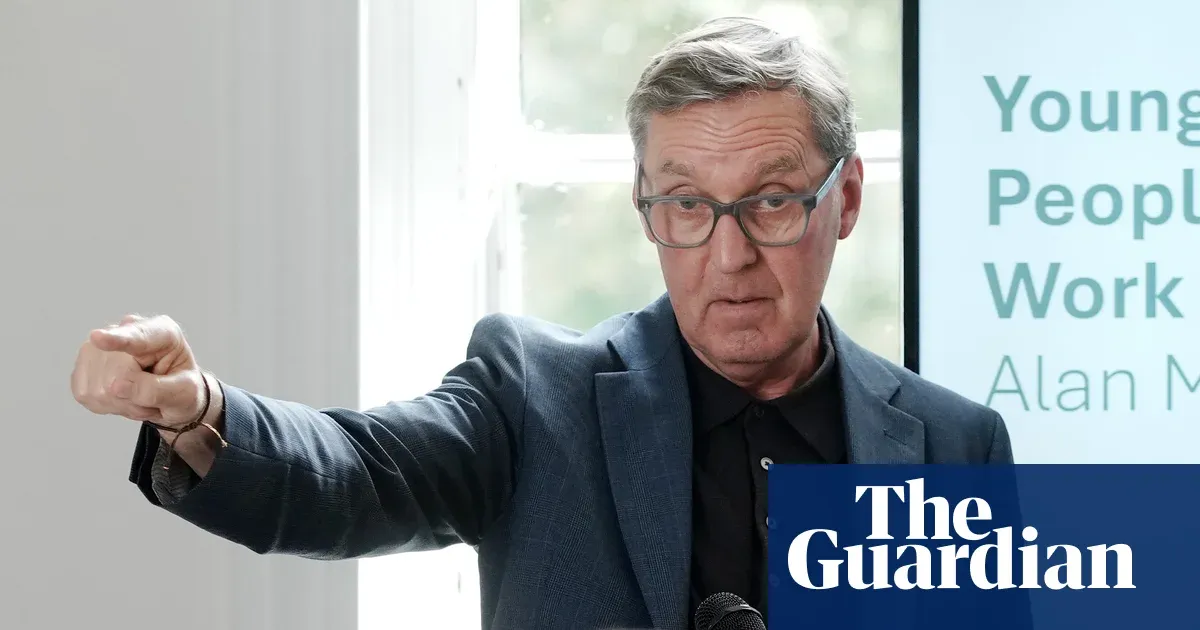
Blair-era minister: cut welfare to fund youth job support
Alan Milburn's call for welfare cuts to fund employment support opens a Labour fight over benefits and the Neet crisis.
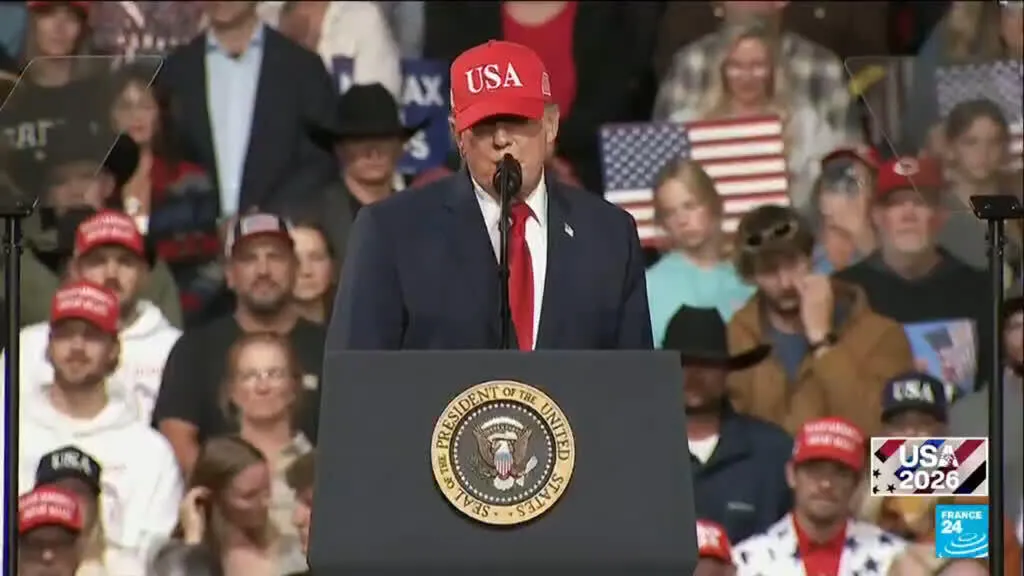
Hot September CPI: energy costs surge, voters feel the squeeze before midterms
The latest inflation print lands as Trump campaigns for GOP control of Congress, putting cost-of-living worries at the center of the midterm fight.