
Monaco issues international arrest warrant after parcel bombing leaves 3 injured, prosecutors say
A Monaco-linked parcel bombing case has a named suspect and an international warrant, raising cross-border compliance and risk questions.

Monaco prosecutors said Thursday that authorities identified a suspect and issued an international arrest warrant in a parcel bombing investigation. The blast seriously wounded a sanctioned Ukraine-born millionaire and two others.
Monaco authorities have identified a suspect and issued an international arrest warrant tied to a parcel bombing that seriously wounded a sanctioned Ukraine-born millionaire and two others, prosecutors said Thursday. In other words, this is not an isolated local incident. It is an active cross-border criminal case with sanctions implications and an international law-enforcement response.
For decision-makers, the immediate stakes are twofold: personal safety and the operational risk that comes with handling people, money, and logistics connected to sanctioned individuals. The prosecutors did not describe the suspect in the source, but the key action is clear. Monaco has moved from investigation to enforcement by securing an international arrest warrant, signaling that authorities believe they have enough basis to pursue the case beyond Monaco’s borders.
To understand why this matters to executives and boards, you have to think about how sanctions and high-risk actors intersect with ordinary systems. Sanctions are designed to restrict financial access and certain dealings, but the people covered by sanctions do not stop needing services. They still interact with banks, private offices, shipping, hospitality, legal counsel, and sometimes procurement and investments. When a case like this erupts, it pressures firms to prove that their processes are not just designed on paper. They need to work when unusual events happen, quickly, consistently, and with documentation that can stand up to regulators.
There is also a risk-management angle that often gets underestimated until something breaks. A parcel bombing investigation by prosecutors turns logistics into a security perimeter. For companies dealing with cross-border deliveries, third-party couriers, office visitors, and mailroom workflows, this is a reminder that physical security is part of broader compliance. Sanctions screening can tell you who should not be allowed access to financial pathways. It cannot, by itself, prevent someone from exploiting physical channels like mail and packages. That is where controls need to be layered: policies, training, escalation procedures, and relationships with vetted service providers.
From a governance perspective, the involvement of a sanctioned individual adds another layer of scrutiny. Sanctions regimes typically come with heightened expectations for diligence. Even when firms are not directly accused of wrongdoing, a high-profile incident creates a spotlight on whether they exercised appropriate care around counterparties, travel, and communications. Boards tend to treat sanctions as a compliance checkbox. Events like this push them to treat it as a risk system, including operational and reputational exposure.
The procedural move described by prosecutors also signals seriousness. Issuing an international arrest warrant usually means authorities expect the suspect could be located outside Monaco or that coordination with other jurisdictions is required. That shifts the case from a local inquiry into a multi-jurisdiction effort. For executives, the second-order effect is timing and uncertainty. International warrants can lead to urgent legal updates, freezes or reviews triggered by counterparties, and a wider set of stakeholders wanting answers on what was known and when.
This kind of case can also ripple into how firms structure relationships with high-net-worth individuals and networks. The source says the bombing seriously wounded a “sanctioned Ukraine-born millionaire” and two others. Even without naming the person, the description tells you this was targeted or at least tied to a specific, high-profile identity. Firms that support wealth management, investment activity, or personal administration for individuals in complex geopolitical contexts often face heightened due diligence, stronger internal controls, and sometimes more conservative decision-making under pressure.
The strategic takeaway for peers is straightforward. When prosecutors act publicly with an international arrest warrant, it is a signal that the situation is developing in real time, not slowly fading into “under investigation.” Executives should ensure their compliance, security, and third-party risk functions can coordinate quickly. That means aligning mail and delivery safeguards with sanctions and counterparty checks, and making sure leadership has a clear escalation path if credible threats or linked legal developments surface.
This story's Key Insights and Take-aways are locked.
Create a free account to unlock Executive Actions for one credit.
Register to UnlockAlways free for Executives Club members. Join the Club
More in Politics
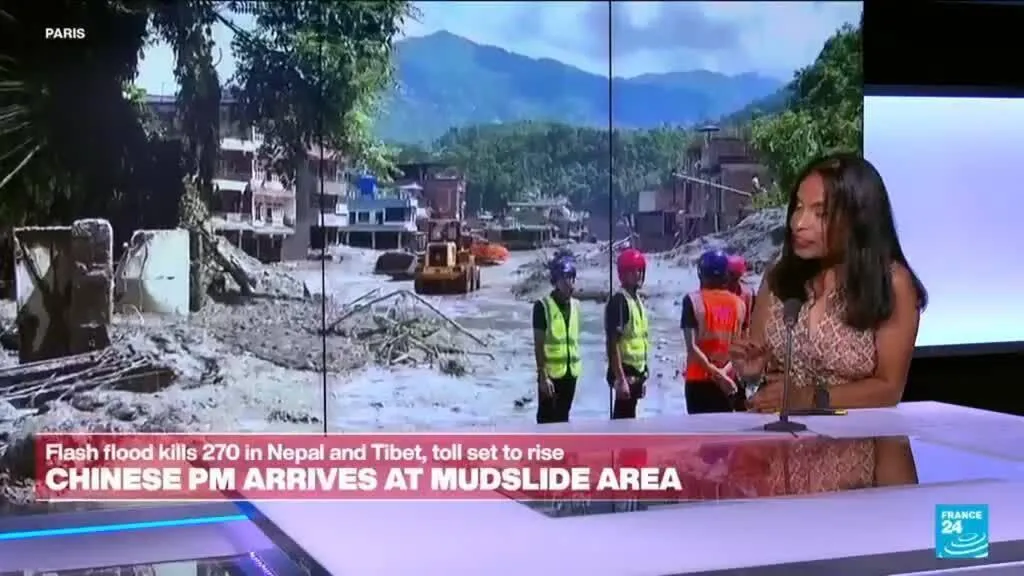
Glacial collapse, not rain, killed 180 in Nepal's Himalayan flood
The Himalaya's extreme geography hid the true cause of Nepal's catastrophic flood, a glacial collapse that turned a geological battleground into a mass-casualty zone.
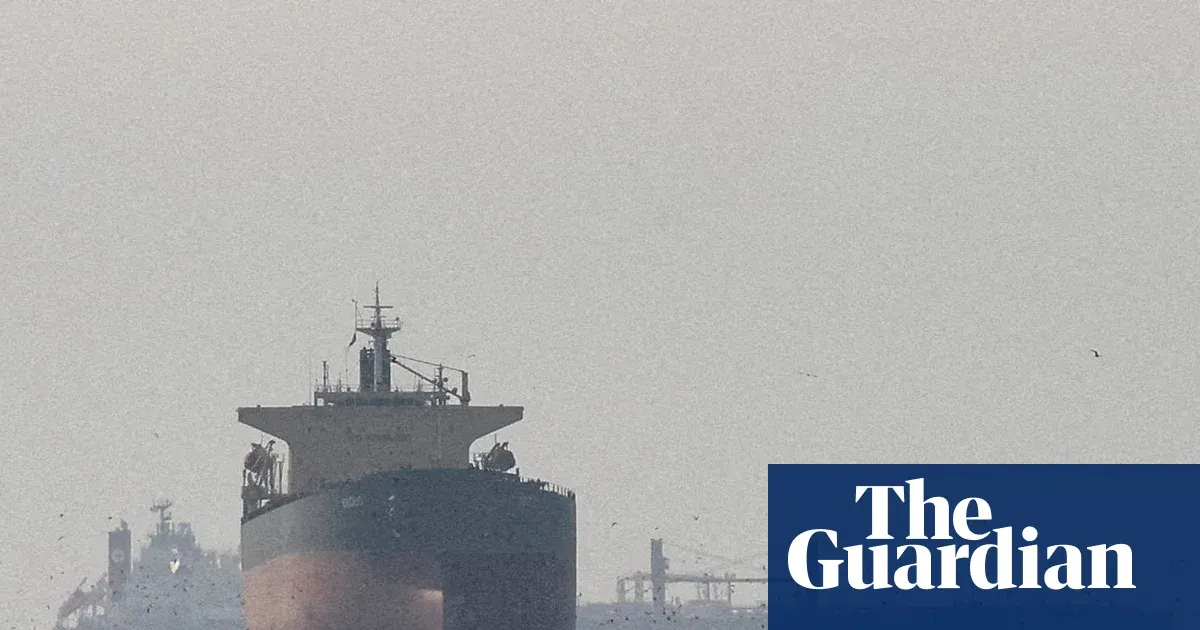
Iran’s Esmail Baghaei says Oman talks start shipping via Hormuz, not US talks yet
Temporary route plans with Oman aim to restart commerce while Tehran says Washington dialogue is not on the table.

Standards watchdog opens probe into Reform UK deputy leader Richard Tice over interests
The parliamentary standards commissioner says it began an investigation on 28 July into a possible undeclared interest.