

Muhoozi Kainerugaba orders arrests and shuts media as Ugandan treason trial resumes
Two cases restart in Kampala while the president’s son escalates crackdowns, testing how far loyalty replaces due process.

General Muhoozi Kainerugaba, the 52-year-old head of Uganda’s army and President Yoweri Museveni’s son, has ordered arrests of activists and politicians and shut down the independent media group behind Daily Monitor and NTV. The resumed treason trial of opposition leader Kizza Besigye and a separate case against his lawyer, Erias Lukwago, raise immediate regulatory and governance questions for decision-makers tracking rule-of-law risk.
Kampala court trials of two Ugandan government critics were set to resume Tuesday, with President Yoweri Museveni largely silent as his son, General Muhoozi Kainerugaba, tightens the grip on opponents. The headline fact is the timing: a Kampala court will hear the long-standing treason charges against opposition leader Kizza Besigye, held in detention since his abduction from Kenya in 2024.
It is also not just one case. The court will separately hear a case against Besigye’s lawyer, Erias Lukwago, who was arrested this month on Kainerugaba’s orders. At the weekend, Kainerugaba escalated further by shutting down the main independent media group that runs the Daily Monitor newspaper and NTV station, declaring: “I DO NOT believe in a free press!” In other words, the trial calendar is being used alongside arrests and media pressure, in a single tightening motion.
To understand why this matters beyond Uganda’s courtrooms, look at the incentives. Uganda’s political structure has long centered on President Museveni, who has ruled for 40 years and won a seventh term in office less than six months ago. But Kainerugaba, 52, now appears to be moving as if he is the operational center of gravity. Analysts quoted in the report say he has already become the dominant force in recent weeks, with a mounting crackdown on critics. If you are an executive, investor, or board member watching governance and legal predictability, this kind of shift signals where power actually sits, even when the constitution and official processes might say otherwise.
Kainerugaba has also built a distinct public persona that blurs the line between military authority and political theater. The report notes he is known for controversial social media posts, ranging from boasts about abducting and torturing opponents to jokes about marrying Beyonce. He has repeatedly said he will be the next president after Museveni leaves office, who is 81. He has even run his own political movement, the Patriotic League of Uganda. That matters because crackdowns often need narrative cover. When the messenger of force also performs confidence publicly, it can shift how others behave, including whether legal actors and civil society leaders see restraint as realistic.
The trial context adds another layer. Besigye, 70, is an opposition leader who has run several times against Museveni in past elections. His 2024 abduction from Kenya drew international condemnation. The report says his family have accused the Ugandan state of torturing him and say he faces health issues. Meanwhile, Lukwago’s case is tied directly to the legal process itself: the lawyer was preparing to serve legal papers summoning Kainerugaba over Besigye’s abduction when he was himself arrested earlier this month, and is now accused of failing to reveal an alleged plot against the state. That sequence turns due process into a pressure point. When lawyers preparing filings are detained, it changes risk for legal counsel, NGOs, and anyone relying on orderly litigation to constrain power.
The media shutdown is the other pressure point, and it is unusually blunt. At the weekend, Kainerugaba ordered the shutdown of the independent media group behind Daily Monitor and NTV station. The report includes his declaration: “I DO NOT believe in a free press!” That kind of statement is not just symbolism. It affects how quickly scrutiny travels, which investigations get amplified, and whether facts can reach international partners before narratives harden. One quoted point of perspective comes from Gerald Walulya, a senior lecturer in the journalism department of Makerere University. He said people had previously taken Kainerugaba’s threats “as a joke,” but for the first time they were seeing him “demonstrate power without any form of restraint from the father.” In plain terms: the threat became an action, and the action stuck.
There is also a broader pattern of neutralization described in the report. Several of Uganda’s rights groups, including Agora, were summoned to appear before police on Tuesday over allegations of fraud and money laundering. And Bobi Wine, the main opponent to Museveni in recent years and a singer-turned-politician who ran for president in January, has been forced to flee the country after Kainerugaba threatened to hunt him down and behead him. The reported arc is consistent: opposition networks are targeted through courts, police processes, and information channels, while international pressure appears unable to halt momentum.
For decision-makers watching similar regimes or emerging power transitions, the second-order implication is that governance risk can shift from slow and structural to fast and personal. Kainerugaba trained at Britain’s elite military academy Sandhurst and rose quickly through the ranks to take over as army chief in 2024. He also insists he is only following his father’s orders, according to the report, but analysts say the situation remains unclear. Yusuf Serunkuma, a political columnist for The Observer newspaper, says the question is whether Kainerugaba is strategy-driven or simply acting like a soldier who naturally exercises force. The practical takeaway for boards and investors is not to guess motives. It is to track mechanisms: arrests that interrupt legal proceedings, a media shutdown that removes verification, and a president’s silence that leaves room for delegated authority to harden into default rule.
If this escalation continues through the resumed Besigye and Lukwago cases, it will not just decide two outcomes. It will also signal to the next layer of institutions, from civil society to corporate regulators, what “compliance” looks like when the bottleneck is political control. In environments where process is contested, the winners are often those who can predict where power will land next. The question Uganda is answering in real time is whether that prediction will come from courts, from police, or from the army chief acting with the expectation that the father will not constrain him.
This story's Key Insights and Take-aways are locked.
Create a free account to unlock Executive Actions for one credit.
Register to UnlockAlways free for Executives Club members. Join the Club
More in Politics
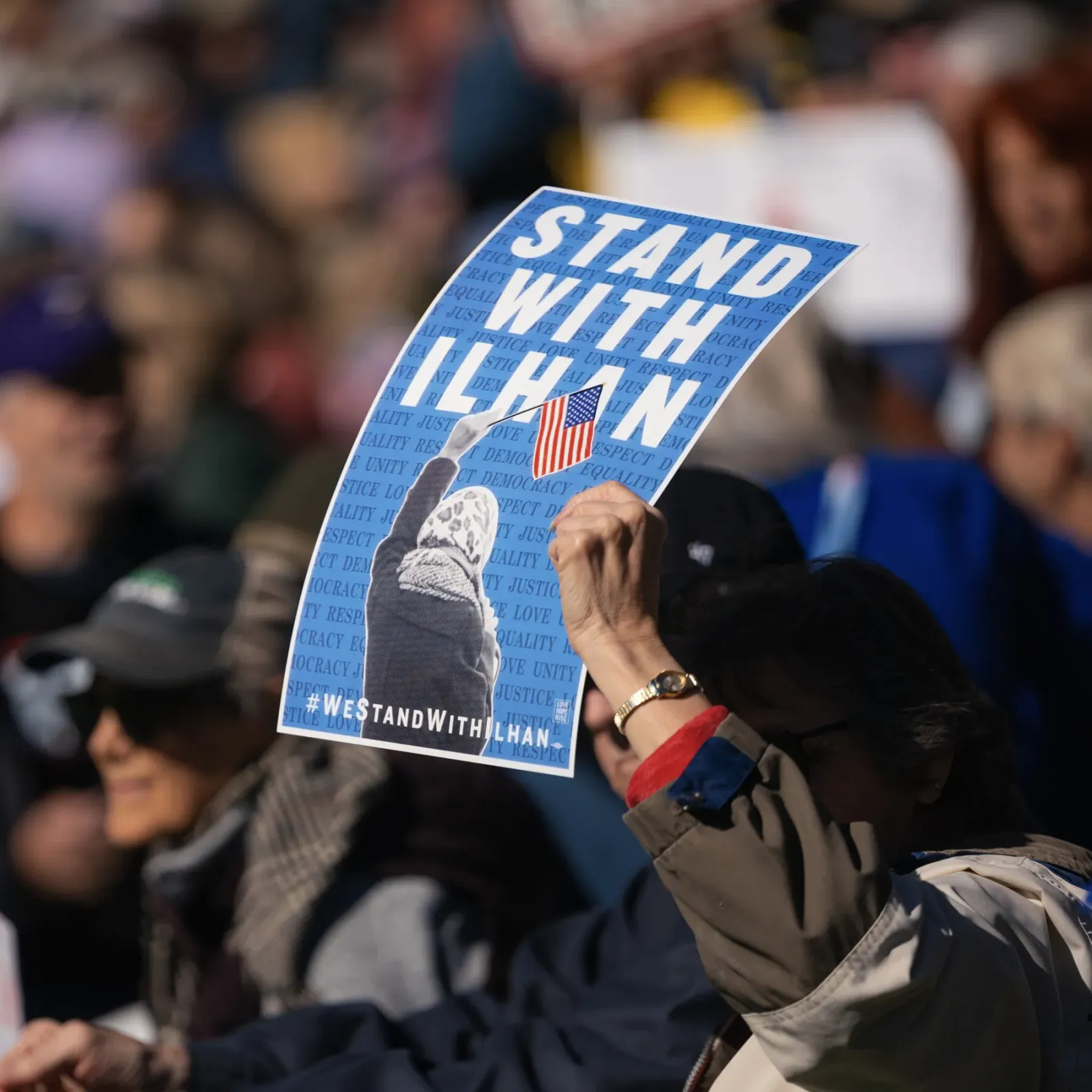
Obama Defends Ilhan Omar After Agents Search Her Home in Trump Inquiry
The former president's intervention raises the stakes in a federal probe into immigration paperwork that has put a prominent progressive lawmaker in the crosshairs.
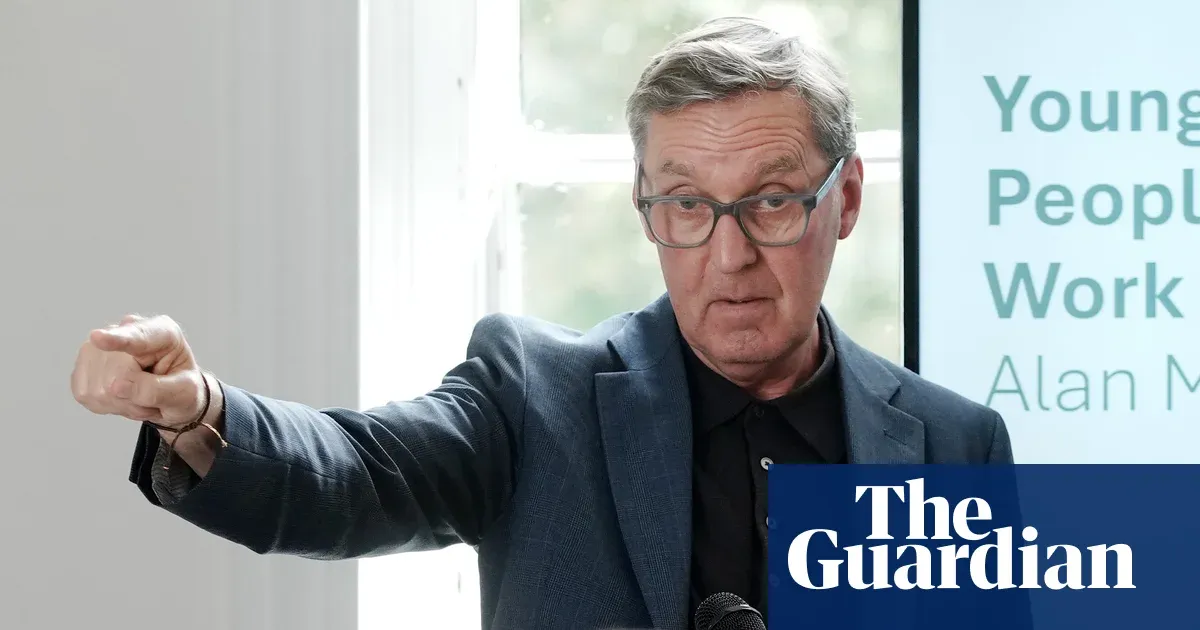
Blair-era minister: cut welfare to fund youth job support
Alan Milburn's call for welfare cuts to fund employment support opens a Labour fight over benefits and the Neet crisis.
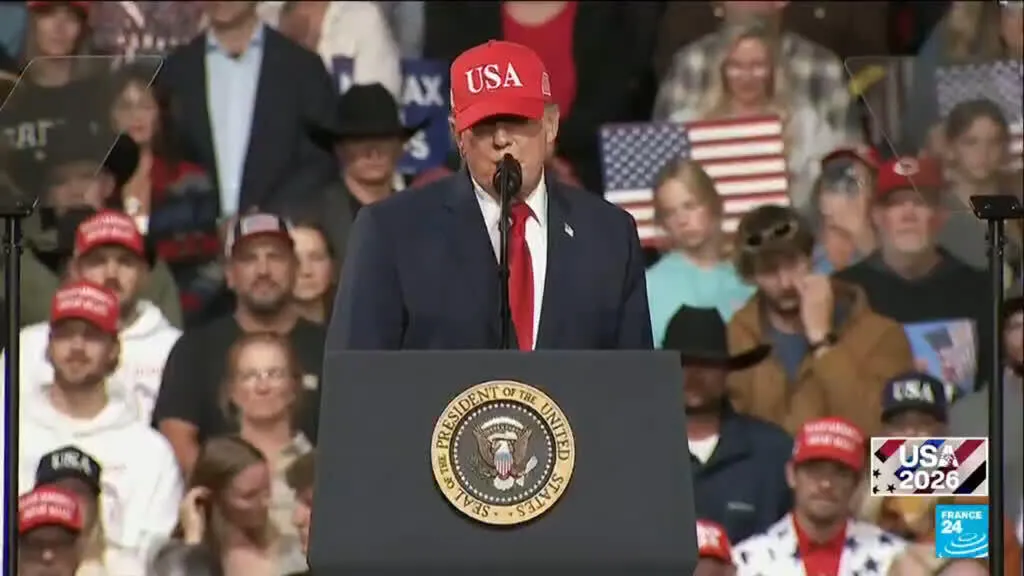
Hot September CPI: energy costs surge, voters feel the squeeze before midterms
The latest inflation print lands as Trump campaigns for GOP control of Congress, putting cost-of-living worries at the center of the midterm fight.