
Trump orders gas retailers to target $2.50, as AAA puts prices at $3.86
He calls current pump prices “gauging,” warns of “big problems,” and points to state taxes as the next lever.

President Donald Trump used a Monday evening Truth Social post to tell gas retailers to lower prices immediately, targeting $2.50 per gallon. The message escalates political pressure at the exact moment retailers, oil producers, and state regulators are already debating what moves prices fastest.
President Donald Trump told gas retailers to “lower prices immediately,” and said they should start targeting “around the $2.50 a gallon number,” in a Monday evening Truth Social post. That comes while the nationwide gas average stood at $3.86 per gallon as of Monday, per the American Automobile Association.
Trump’s post also added a blunt warning: “There will be no gauging, which is totally illegal,” and if retailers do not comply, “big problems lie ahead!” He used the language of consumer harm, and then backed it up with a pricing target that is materially below the current average AAA reported.
To understand why this matters beyond the politics, you have to map the incentives and the bottlenecks. Gas prices at the pump do not move like a single dial. Retail pricing is influenced by wholesale costs, transportation, taxes, and retail margins, plus timing lags between changes in oil and changes in gasoline posted at stations. That friction is exactly what the industry has been pointing to in recent comments. For example, Chevron’s finance chief Eimear Bonner told CNBC on Thursday that energy providers were “doing what they can,” but that “it’s going to take time” because there is “a lag” between oil price reductions and the reductions that show up at the pump.
Trump’s message also sits in the middle of a wider blame cycle he started publicly. About a week earlier, he slammed big oil companies for keeping oil prices high despite easing tensions in the Middle East and the reopening of the Strait of Hormuz. In a Wednesday post, he said, “The big Oil Companies are not dropping their price at the pump commensurate with the sharply lower prices they are paying for Oil. Those prices are dropping like a rock!” He also said he had instructed the Justice Department to investigate oil companies. So this latest Truth Social push targets a different node in the supply chain, gas retailers, but it matches the same underlying thesis: that profits are not shrinking fast enough when underlying input costs ease.
There is a regulatory angle embedded in Trump’s pricing demand, too. “Gauging,” overcharging customers, is the charge he raised, and he framed it as “totally illegal.” Even without a new statute in the post, the rhetoric is designed to pressure both enforcement and behavior. If prosecutors, regulators, or state authorities decide that some pricing practices cross legal lines, that can force rapid changes to retailer pricing strategies and how margins are calculated. The tricky part for executives is that enforcement risk often moves faster than operational capacity. A company can be “doing what it can,” but if regulators focus on outcomes at the pump rather than timing lags upstream, the business still gets punished for the observable numbers.
Trump also singled out California’s taxes as a reason prices stay high. He warned that California should stop charging heavy taxes on its gasoline. The state is set to increase the gas tax rate from 61.4 cents per gallon to 63.4 cents per gallon on July 1. As of Monday, California and Hawaii had the highest gas prices in the country, at $5.45 and $5.49 per gallon, respectively. That is not a small spread from the AAA national average, and it highlights why a single target price is hard to hit everywhere. If taxes are rising, then retailers may face structural headwinds, even if wholesale costs cool.
The timing of the whole debate also matters. Gas prices “skyrocketed since the start of the US-Iran war in February,” with the nationwide average climbing to well above $4 per gallon, per AAA. They then “come down slightly” after peace talks with Iran were initiated, and after Trump announced a ceasefire last week. So the market is already in a slow normalization phase. Still, the gap between “slightly down” and “back to $2.50” is huge enough that political actors can credibly claim the remaining portion is avoidable.
For CEOs, CFOs, and board members in energy and consumer-facing retail, the second-order problem is uncertainty. When a president publicly names a consumer price target and threatens “big problems,” it can collide with how quickly procurement cycles, contracts, and distribution logistics actually allow retail pricing to change. It can also increase scrutiny on margins, especially in states with higher taxes like California and Hawaii. Even if retailers believe the economics of oil and gasoline demand “lag,” the political system often judges by the shelf price that drivers see, not the spreadsheet behind it. The stake is simple: the next move may not be the market clearing price, it may be the compliance price, shaped by legal risk and tax policy.
In short, Trump’s Truth Social post is not just a complaint. It is an explicit demand aimed at retailers, anchored to “around the $2.50 a gallon number,” timed against a $3.86 national average, and amplified by federal and state enforcement signals. For industry players, the strategic challenge is aligning operational reality with political timelines before they become regulatory timelines.
This story's Key Insights and Take-aways are locked.
Create a free account to unlock Executive Actions for one credit.
Register to UnlockAlways free for Executives Club members. Join the Club
More in Politics
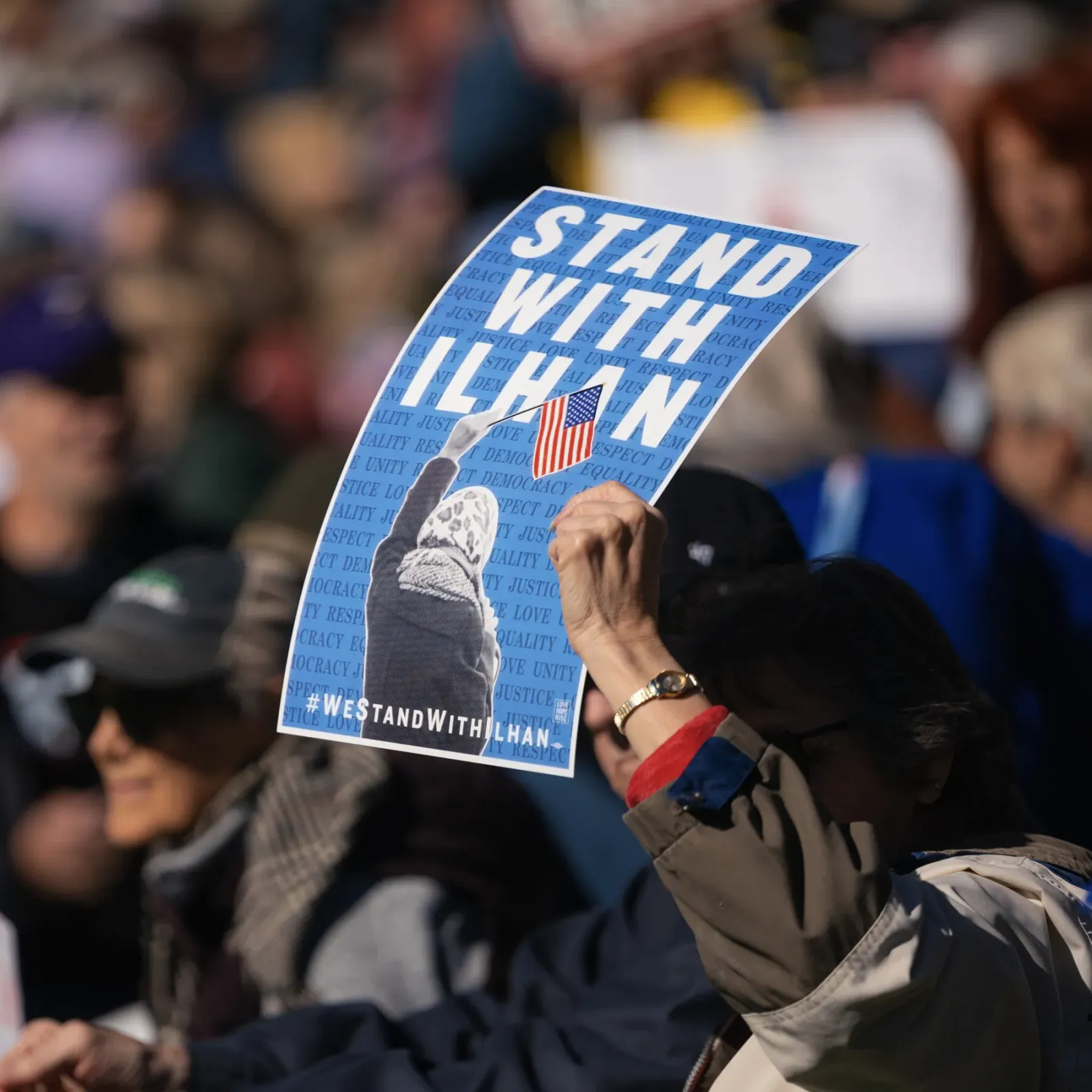
Obama Defends Ilhan Omar After Agents Search Her Home in Trump Inquiry
The former president's intervention raises the stakes in a federal probe into immigration paperwork that has put a prominent progressive lawmaker in the crosshairs.

Blair-era minister: cut welfare to fund youth job support
Alan Milburn's call for welfare cuts to fund employment support opens a Labour fight over benefits and the Neet crisis.
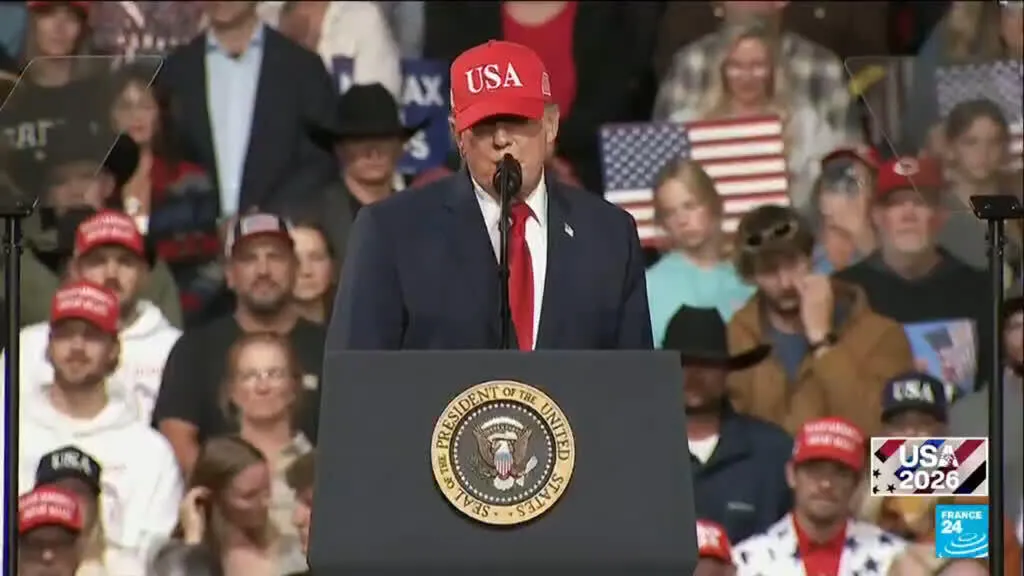
Hot September CPI: energy costs surge, voters feel the squeeze before midterms
The latest inflation print lands as Trump campaigns for GOP control of Congress, putting cost-of-living worries at the center of the midterm fight.