

New Caledonia votes peacefully, but anti-independence parties still lead provisional results
Provincial election outcome could reshape New Caledonia's future and the French relationship, amid fragile post-unrest politics.
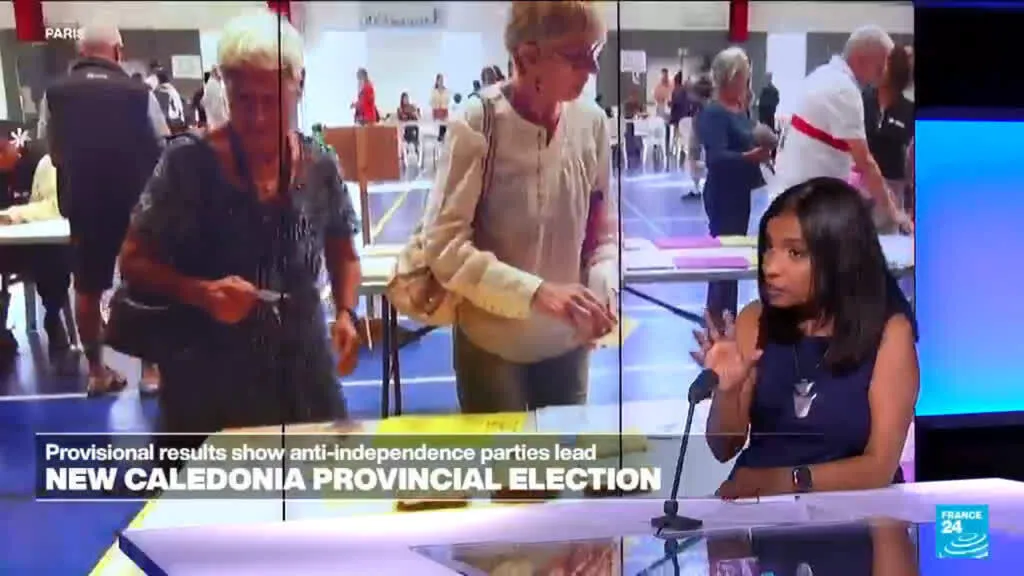
New Caledonia held provincial elections in a moment where independence from France is the central issue, with today’s vote proceeding peacefully. Provisional results show anti-independence parties leading, a crucial signal for decision-makers navigating the territory's political future.
New Caledonia’s provincial elections are happening peacefully, and the provisional results are already pointing in one direction: anti-independence parties are leading. That is the political bombshell tucked inside what sounds, on the surface, like a calm day at the ballot box. For anyone tracking governance and stability in overseas territories, the message is clear: the territory’s path toward or away from France is still very much up for negotiation, and voters just sent a signal that the independence question is not losing its grip.
The independence debate is not background noise here. It is the central issue shaping the election, the conversations around it, and the stakes for what comes next. France 24 frames this vote as a crucial test of the territory’s political future. In other words, this is not an administrative checkpoint. It is a referendum-by-proxy on New Caledonia’s relationship with France, delivered through provincial leadership rather than a single, clean independence yes or no.
To understand why provisional results matter so much, you have to go back to the trigger that turned politics into violence. The election comes two years after plans to expand voting rights to thousands of non-Indigenous residents. That policy direction did not land as a technocratic adjustment. Instead, it triggered deadly unrest and forced the postponement of elections in 2024. The sequence matters for execs because it shows the fragility of legitimacy and consent: when rules about who gets to vote expand, the impact is political power, not just paperwork. In places where identity and constitutional status are intertwined, voting rights are governance architecture, and governance architecture is combustible.
This time, France 24 emphasizes that today’s vote is taking place peacefully. That detail should not be treated as a throwaway line. Peace during an election that is rooted in a high-stakes sovereignty question is an outcome in its own right. It suggests security and political coordination are holding for now, or at least that the incentives are aligned enough to keep the day from tipping into unrest again. For leaders, boards, and investors who think in scenarios, a peaceful vote reduces the immediate tail risk. But it does not remove the structural risk that got everyone hurt before.
And provisional results bring an added layer: they create momentum. Even before final tallies, leadership changes in provincial assemblies can shift bargaining positions, alter coalition math, and harden negotiating stances. When anti-independence parties lead, the practical implication is not simply “they won” but “their approach to the France question is more likely to set the tone.” Provincial governance can influence local policy and institutional relationships. That affects everything from how authorities manage civic order to how communities expect the future transition, if one is coming.
There is also a second-order effect that tends to catch people off guard: election timing and rule design shape public expectations for years. The unrest and postponement in 2024 show how quickly political plans can collide with identity boundaries. If expanded voting rights were the spark, then the next phase of political life will likely focus on whether additional changes are coming, how they are framed, and who gets to claim they represent “the people.” That is where provisional leaders may face intense pressure. They will need to translate election momentum into stability without reopening the same fault lines that produced the earlier deadly unrest.
For executives who operate in or around politically sensitive regions, this is a reminder that governance is not just a legal structure. It is the lived experience of legitimacy. In New Caledonia’s case, the independence question is the organizing principle, but voting rights expansion is the mechanism that can destabilize the system when sections of society perceive the rules as threatening their political and cultural future. Peaceful voting today is a positive indicator, but the reason it is positive is also the reason it is temporary. Until final results are confirmed and political channels clarify what independence-oriented or autonomy-oriented paths mean in practice, uncertainty will remain.
So what does this mean for decision-makers watching similar transitions elsewhere? It means you should treat election days as risk events, even when the news reads calm. Provisional leadership gives an early read on direction, but it also accelerates strategic pressure on coalitions. In New Caledonia, the anti-independence lead in the provisional count suggests the next negotiation phase with France could lean toward maintaining the existing link. The strategic stakes are high because the territory’s future political trajectory is still tied to independence from France, and the memory of unrest after voting rights expansion makes every subsequent move matter.
This story's Key Insights and Take-aways are locked.
Create a free account to unlock Executive Actions for one credit.
Register to UnlockAlways free for Executives Club members. Join the Club
More in Politics
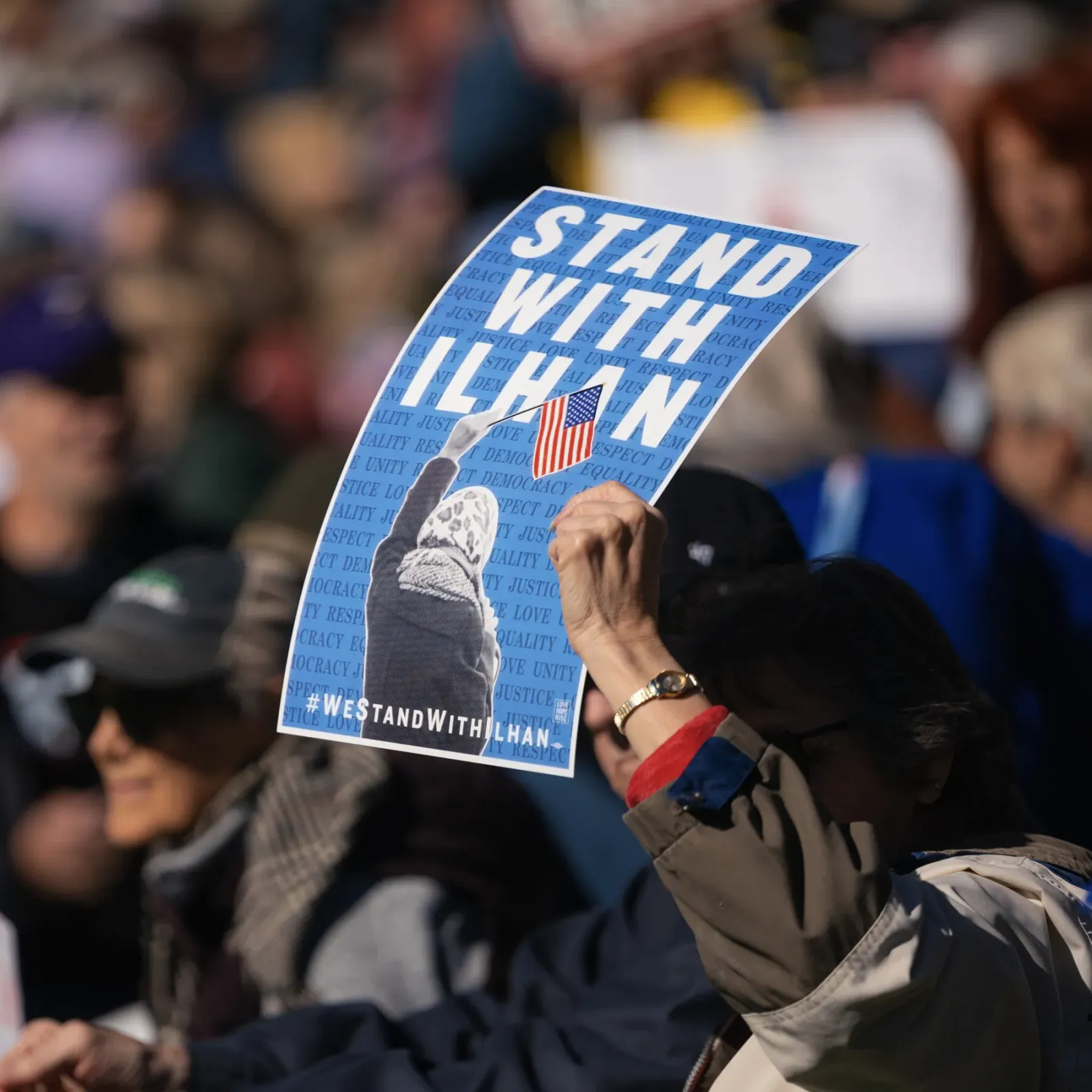
Obama Defends Ilhan Omar After Agents Search Her Home in Trump Inquiry
The former president's intervention raises the stakes in a federal probe into immigration paperwork that has put a prominent progressive lawmaker in the crosshairs.

Blair-era minister: cut welfare to fund youth job support
Alan Milburn's call for welfare cuts to fund employment support opens a Labour fight over benefits and the Neet crisis.
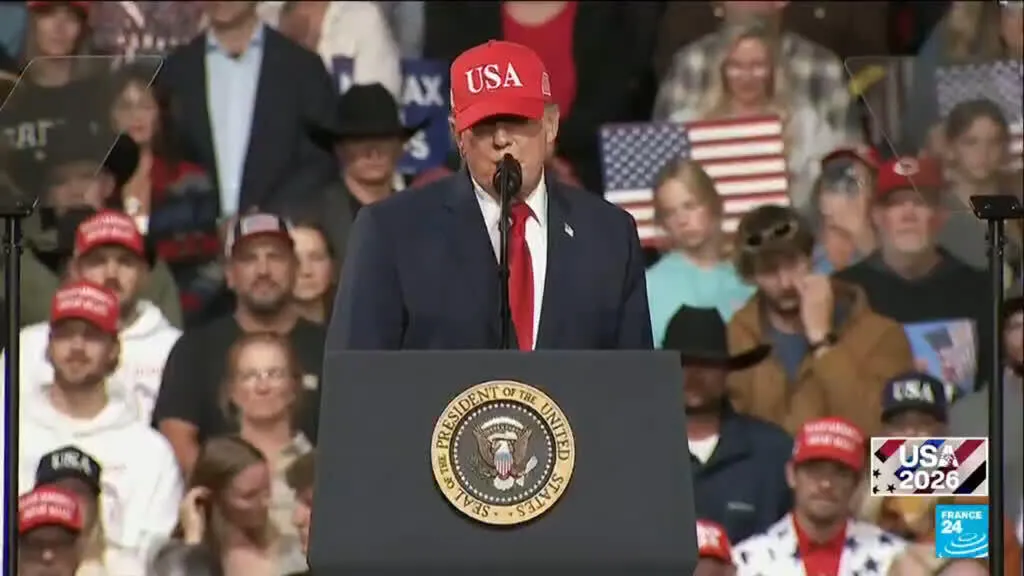
Hot September CPI: energy costs surge, voters feel the squeeze before midterms
The latest inflation print lands as Trump campaigns for GOP control of Congress, putting cost-of-living worries at the center of the midterm fight.