

Nvidia Board Rejects Jensen Huang's Return Amid $115B Revenue Surge
The GPU giant is navigating a leadership vacuum while raising its growth outlook, forcing a critical look at its future.
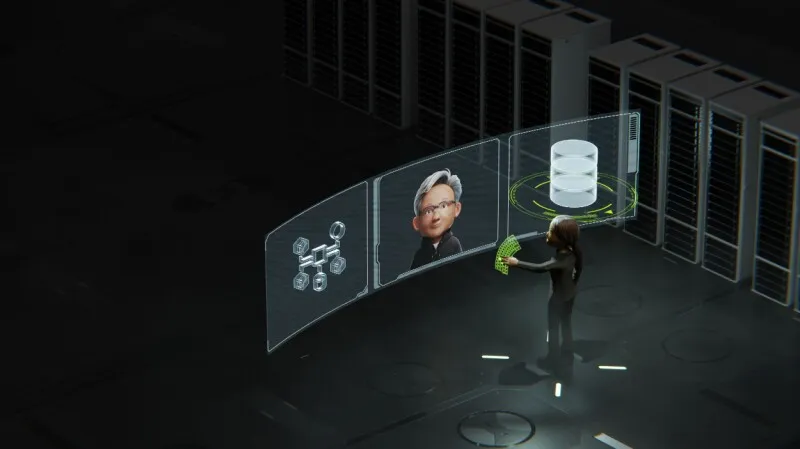
Nvidia's board has confirmed that CEO Jensen Huang will not be reinstated, despite the company reporting record Q3 revenue of $115.8 billion. This leadership transition, coupled with rising regulatory risks, demands immediate scrutiny of operational stability and long-term strategic direction.
The Nvidia board has definitively ruled out a return for its visionary founder, Jensen Huang, as the GPU giant continues to report staggering financial results. The board unanimously accepted Huang's resignation and has stated it does not intend to reinstate him. This move comes as the company solidifies its position as the dominant supplier of AI compute, reporting quarterly revenue that is more than double that of the previous year. The leadership transition is being managed by newly appointed board chair Harvey Jones, who has confirmed that the board is focused on strengthening oversight and addressing the fallout from the CEO's departure.
To navigate this complex period, the board is taking concrete steps to secure the company's future. Jones announced the creation of a dedicated committee tasked with scrutinizing the firm's security policies and export compliance. Furthermore, Nvidia has retained the services of talent spotters Heidrick & Struggles to begin the search for a permanent successor. While the leadership is in flux, the interim CEO and chief financial officer, Colette Kress, has maintained an aggressively optimistic tone during the Q3 earnings call, presenting a picture of a company operating at peak demand.
Kress anchored her presentation with massive figures: revenue climbed 103 percent to $115.8 billion, while operating income soared 115 percent to $77.5 billion. She attributed this performance to strong demand across a diverse and expansive customer base, which includes hyperscalers, frontier labs, AI natives, enterprises, and governments. In a significant strategic pivot, Kress raised Nvidia's outlook for fiscal 2028, increasing the expected year-on-year revenue growth from 70 percent to approximately 75 percent. This aggressive forecast, however, immediately drew scrutiny from analysts, who questioned the confidence behind such a raise given the ongoing uncertainty surrounding the company's leadership and future direction.
Kress defended the increased guidance by citing both growing demand and additional supply chain capacity. She also touched upon the evolving nature of Nvidia's financial relationships with customers. Regarding the company's neocloud offerings, she noted their instrumental role in supporting enterprises and various countries globally, particularly concerning sovereign AI initiatives.
This story's Key Insights and Take-aways are locked.
Create a free account to unlock Executive Actions for one credit.
Register to UnlockAlways free for Executives Club members. Join the Club
More in Business

GTA VI hauls $3.79bn in one day, out-earning every film ever made
Rockstar's own estimate covers a single Thursday plus a record 32.5m prerelease units, and it lands on every board weighing IP concentration, pricing power and launch risk.

FBI's crime database breached again, the second hack in months
CNN reports hackers hit the National Crime Information Center, the shared backbone of US policing, and the repeat timing is the part every security team should study.

S&P 500 Enters Correction, Down 10% From Its High on AI Worries
The index's slide past the 10 percent line is a symbolic verdict on investor mood, and the AI trade that powered the rally is now the thing testing it.