
Oman signals de-escalation to Macron, analyst Dawud Al Ansari says
A Gulf power test is back, but Oman is positioning itself as the region's peace broker, Al Ansari argues.
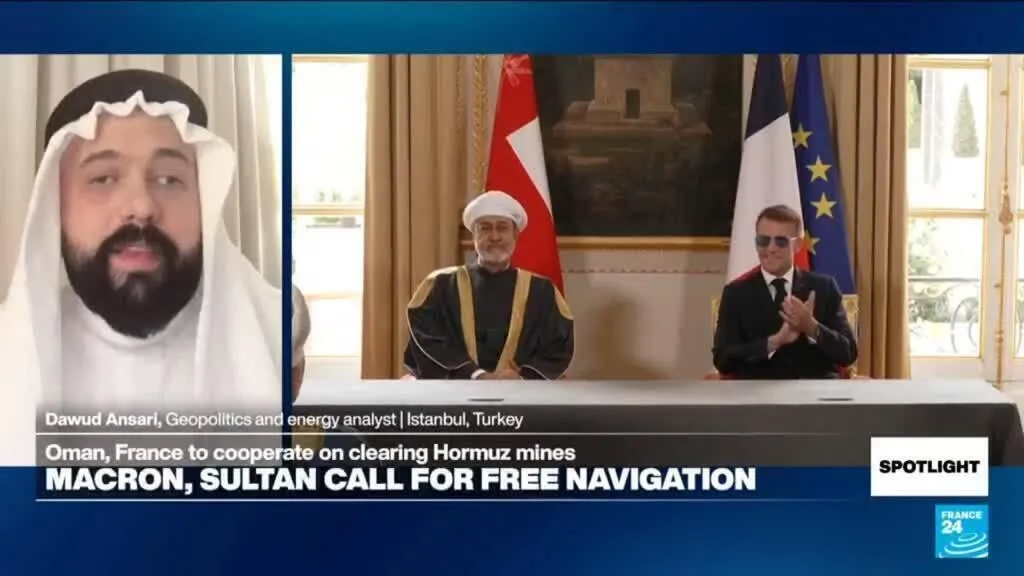
Geopolitics and energy analyst Dawud Al Ansari discusses Oman's stance as French President Emmanuel Macron meets Sultan Haitham bin Tariq of Oman amid de-escalation efforts. For decision-makers, the subtext is clear: Oman is trying to add strategic value when Gulf tensions threaten trade, energy flows, and risk pricing.
French President Emmanuel Macron is meeting Sultan Haitham bin Tariq of Oman as efforts push toward de-escalation in the Middle East. In that context, geopolitical and energy analyst Dawud Al Ansari argues Oman is committed to “de-escalation & peace in the region,” and that the country is playing an increasingly valuable strategic role.
That matters because Al Ansari’s framing is not just diplomacy-as-good-vibes. It is diplomacy as risk management. As renewed military tensions re-test the Gulf once again, Oman is signaling stability and restraint at the very moment markets and governments tend to start pricing in worse-case scenarios. In other words, Al Ansari is describing an Omani posture meant to keep the region from sliding further into escalation, while also making Oman harder to ignore as a channel between major external actors.
To understand why an analyst would emphasize this angle, you have to know how Gulf diplomacy tends to ripple into boardrooms. Energy is the obvious channel. When tensions rise, crude and refined product expectations shift, shipping routes become more costly, and insurance premiums move. But the second-order effects are often more decisive for executives: financing and trade counterparties get more cautious, procurement timelines get harder to defend, and governments quietly adjust how they handle cross-border regulatory approvals.
This is where Oman’s positioning becomes more than symbolic. If Oman is viewed as committed to de-escalation and peace, it can become a practical partner for negotiation, logistics, and coordination. Al Ansari’s “Omani perspective” is important because it implies Oman is not only reacting to events, it is shaping how others interpret them. That can influence everything from how companies plan supply continuity to how states plan security cooperation. In environments where escalation risk is high, the ability to offer credible steadiness can be a competitive advantage.
The Macron-Haitham meeting is a reminder that European leaders are not treating the Gulf as distant geopolitics. Macron’s direct engagement signals that de-escalation efforts are high on the agenda of key external powers, not just regional stakeholders. When outside leaders show up in person, it also puts pressure on local partners to demonstrate competence in managing tensions. Oman, in Al Ansari’s telling, is meeting that pressure by reinforcing its role as a stabilizing actor.
There is also a capital markets angle, even if Al Ansari’s remarks are framed through geopolitics and energy. In periods of military uncertainty, investors tend to compress risk tolerance. Liquidity can thin out for certain categories of assets. Credit terms may tighten for companies with exposure to the region, directly through operations and indirectly through customers and counterparties. Even for firms not headquartered in the Gulf, guidance can shift fast, because auditors and boards do not want to be the ones caught underestimating risk.
Regulatory processes react to this environment too. When geopolitical risk increases, compliance expectations can expand. Firms may tighten sanctions screening, elevate controls around third parties, and review licensing requirements more frequently. That means diplomacy is not only about missiles and meetings. It becomes about paperwork, timing, and whether the legal route you rely on for energy transactions stays viable.
The most important implication in Al Ansari’s assessment is that Oman is trying to convert diplomacy into strategic value. “Increasingly valuable” is doing a lot of work there. The region has repeatedly shown that actors who can reduce escalation risk become essential when the next crisis hits. Stability is a currency. It can buy access, facilitate dialogue, and create operational predictability. In the short term, it helps prevent additional damage. In the medium term, it can determine who gets trusted during negotiations and who is left out.
For executives and boards, the takeaway is not to treat de-escalation statements as PR. It is to treat them as inputs into enterprise risk thinking. Al Ansari’s Omani framing suggests Oman is positioning itself as a channel for peace when diplomacy is most needed. If that role solidifies, it can influence the risk landscape for energy flows, trade continuity, and regulatory friction. When tensions rise across the Gulf, those differences decide whether you are planning calmly for scenarios, or reacting late to surprises.
This story's Key Insights and Take-aways are locked.
Create a free account to unlock Executive Actions for one credit.
Register to UnlockAlways free for Executives Club members. Join the Club
More in Politics
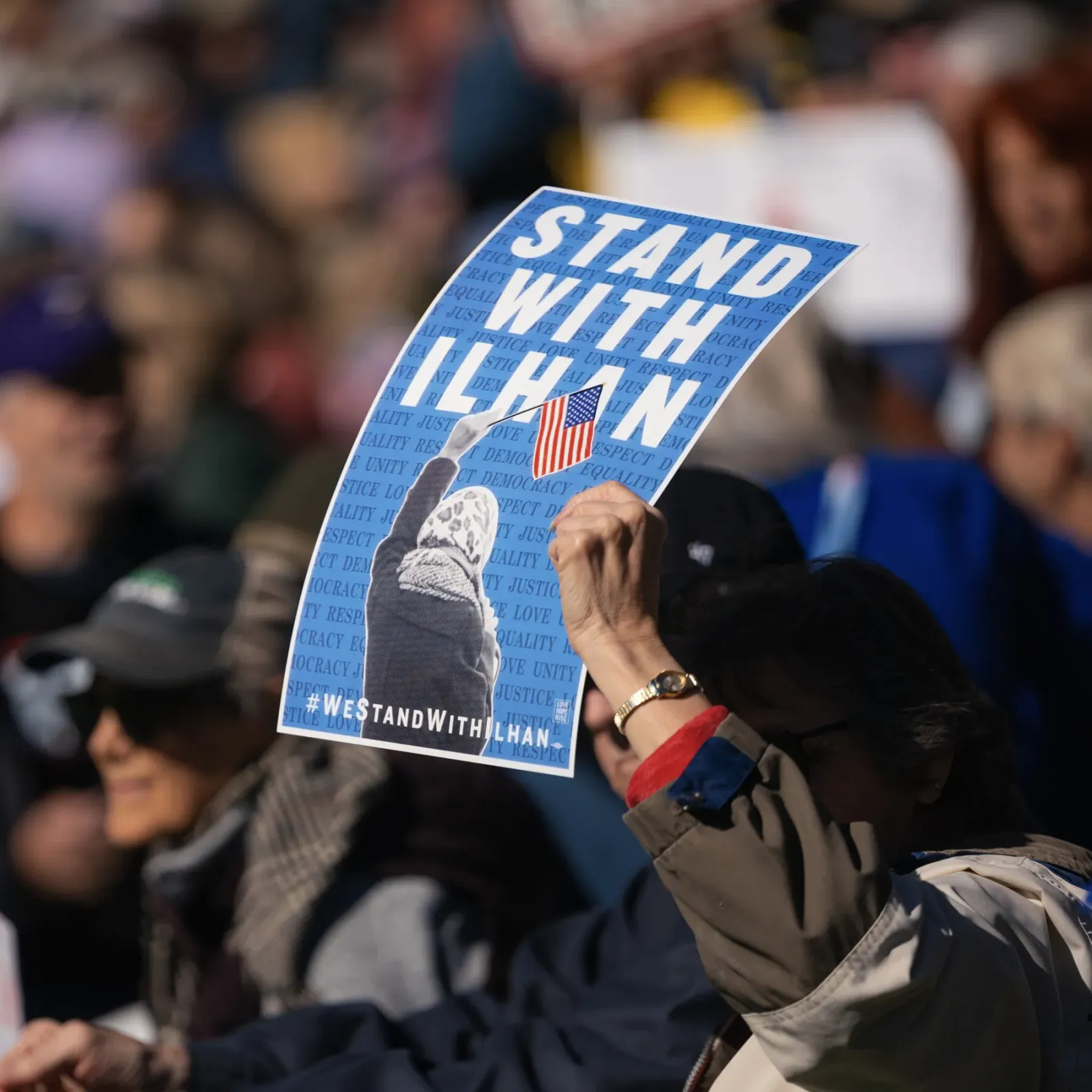
Obama Defends Ilhan Omar After Agents Search Her Home in Trump Inquiry
The former president's intervention raises the stakes in a federal probe into immigration paperwork that has put a prominent progressive lawmaker in the crosshairs.
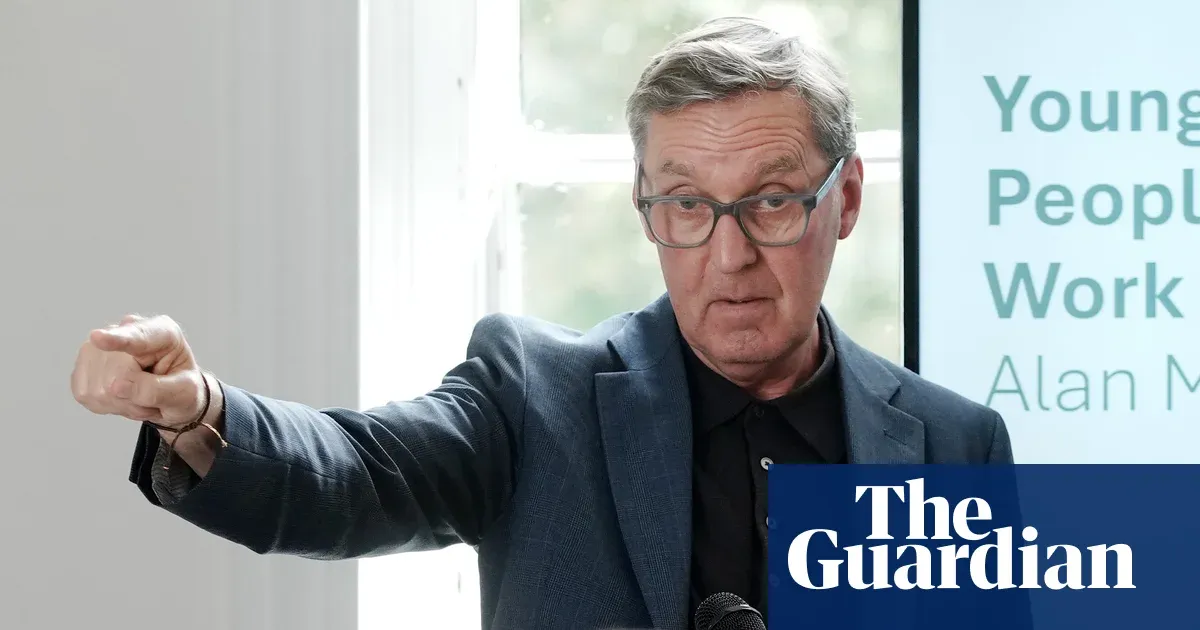
Blair-era minister: cut welfare to fund youth job support
Alan Milburn's call for welfare cuts to fund employment support opens a Labour fight over benefits and the Neet crisis.
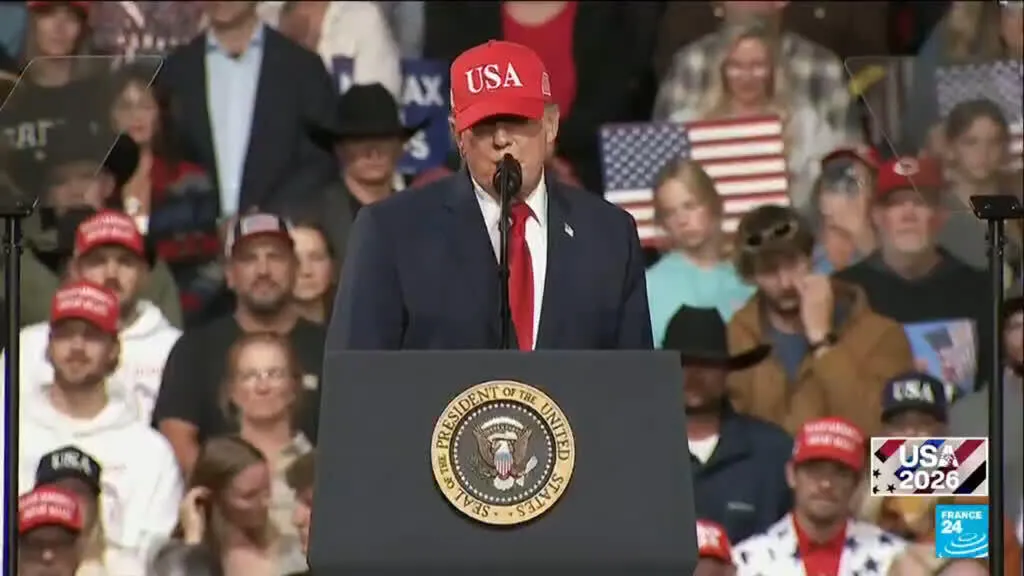
Hot September CPI: energy costs surge, voters feel the squeeze before midterms
The latest inflation print lands as Trump campaigns for GOP control of Congress, putting cost-of-living worries at the center of the midterm fight.