

Orban’s former PM says Magyar dismantled rule of law, scrapped checks and balances
The pledge frames Hungary’s political shift as a legal reckoning, with major implications for investors and institutions.
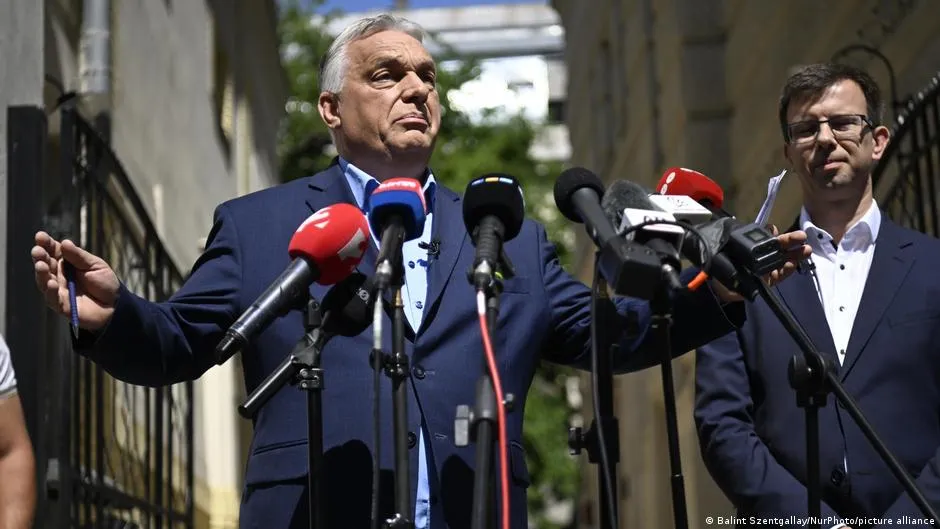
Hungary's former prime minister alleges his successor, Peter Magyar, dismantled the rule of law and eliminated checks and balances. Magyar has pursued Viktor Orban and his allies since winning elections in April.
Hungary’s former prime minister says Peter Magyar has dismantled the rule of law and eliminated checks and balances. The allegation is not just political theater. It is a direct attack on the machinery that keeps power accountable when governments control courts, regulators, and the legal environment where business actually operates.
To understand why this matters beyond campaign rhetoric, it helps to anchor the timeline: Magyar has pursued Viktor Orban and his allies since winning April’s elections. In other words, the story is about what happens when a political challenger moves from opposition into control, and how quickly institutions either hold the line or get redrawn.
In mature political systems, “checks and balances” are not a slogan, they are a practical system of friction. They determine whether investigations can proceed without interference, whether court rulings are respected, whether regulators can act independently, and whether rule changes are predictable enough for companies to plan and price risk. When a former prime minister alleges the rule of law has been dismantled, the concern is that those friction points are weakening. Even if many day-to-day operations continue, investors, creditors, and strategic partners start discounting the future. They worry about enforcement risk, shifting standards, and sudden reinterpretations of rules.
Magyar’s pursuit of Orban and Orban’s allies since the April elections also signals a familiar but high-stakes pattern. New leaders often move fast when they believe the previous administration stacked the system. But “moving fast” can be interpreted two ways. From one perspective, it is accountability. From another, it can be seen as selective enforcement that tests how independent institutions really are. The former prime minister’s phrasing, “dismantled the rule of law and eliminated checks and balances,” positions this as the second interpretation. Whether readers agree or not, the claim frames how every subsequent legal and regulatory action gets judged.
For executives, the real issue is not who is right in a partisan fight. The issue is institutional reliability. In environments where rule-of-law concerns arise, boards tend to ask questions that are less about ideology and more about operational continuity: Will licenses, approvals, and permits remain stable? Will enforcement be consistent across firms and sectors? Will contracts be honored and disputes resolved on schedule? When checks and balances weaken, the cost is often delayed, not immediate. It shows up later as higher legal spend, slower dispute resolution, and broader uncertainty that raises the hurdle rate for investment.
There is also a governance layer. A former prime minister making a public allegation is signaling to domestic and international audiences that the stakes are existential for institutional trust. For companies with cross-border exposure, this can affect everything from compliance posture to the credibility of long-term planning. It can also influence counterparties, lenders, and partners who must decide whether they are comfortable with legal risk they cannot fully price.
Strategically, Magyar’s pursuit of Orban and his allies since April suggests that this contest will keep playing out through legal and political channels rather than settling into a normal post-election transition. That increases the likelihood that regulatory and legal developments become intertwined with leadership incentives. When prosecution, investigations, or rule changes are seen as part of a power struggle, boards do not just monitor economic indicators. They monitor institutional signals: court behavior, regulatory consistency, and whether procedural safeguards are maintained.
For peers in similar roles across Europe and beyond, the lesson is uncomfortable but actionable: political transitions can quickly change the risk profile even if the economy still looks functional today. If allegations about dismantling checks and balances are taken seriously by markets, counterparties, and governance watchdogs, the “second-order” effect is a higher cost of uncertainty. That can translate into tougher financing conditions, slower expansion plans, and more conservative risk appetites. In short, this is a story about power, but it is also a story about predictability. And in business, predictability is capital.
This story's Key Insights and Take-aways are locked.
Create a free account to unlock Executive Actions for one credit.
Register to UnlockAlways free for Executives Club members. Join the Club
More in Politics
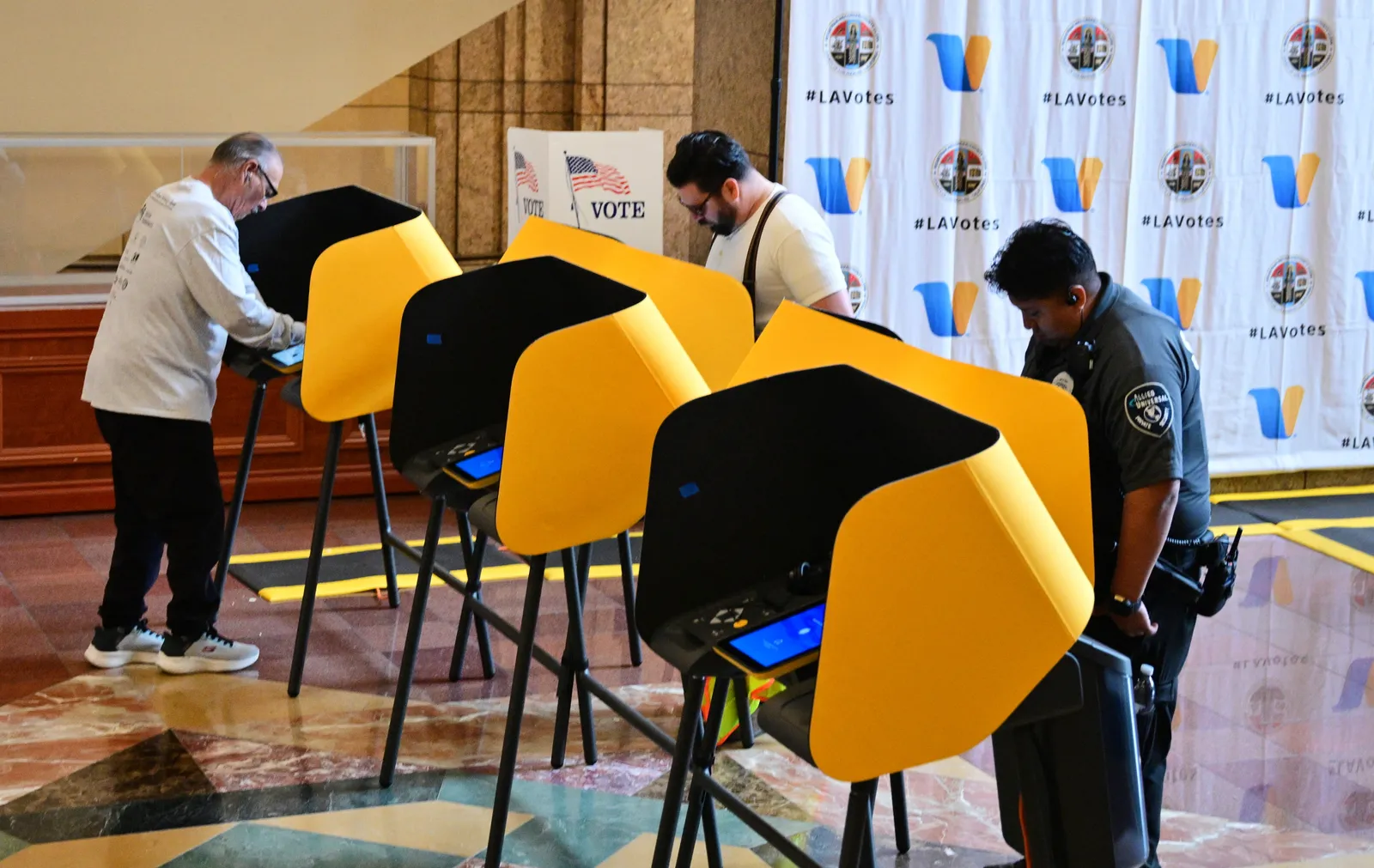
LA County: DOJ's 20,000 'noncitizen' voter list is 'unreliable,' includes U.S.-born
Preliminary review by Los Angeles County election officials finds errors in the federal list, raising the stakes for voter roll integrity ahead of November.
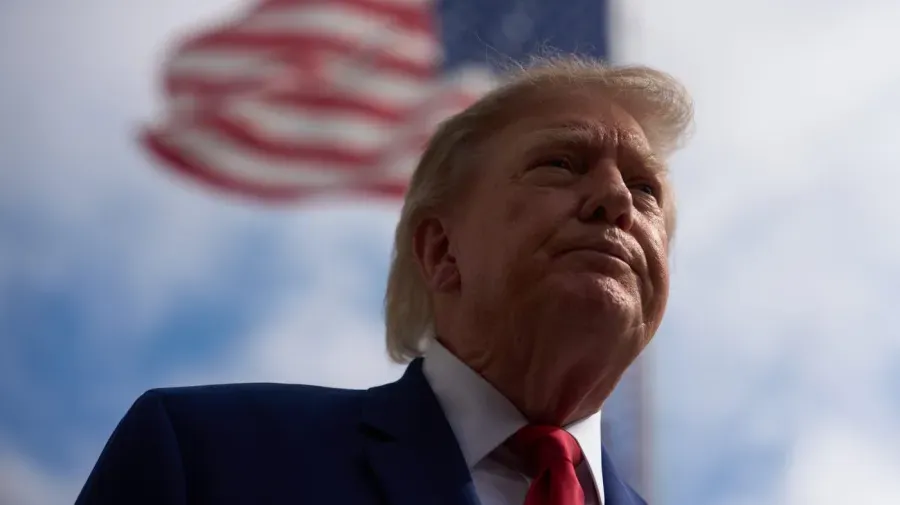
Trump's $1.5B Pentagon chip investment lands in North Carolina
A $1.5 billion defense infusion for North Carolina chipmaking signals a new era of Pentagon-backed reshoring - here's what it means for the industry.

Nigeria confirms first Ebola case in Abuja, a woman just off a Uganda flight
Health Minister Muhammad Ali Pate says the patient flew in from Uganda, putting Africa's latest outbreak on Nigeria's doorstep.