
Pandemic car shortages are still inflating used prices, and automakers plan around it
Used cars remain expensive because pandemic-era supply lessons taught automakers to expect tighter supply longer than expected.
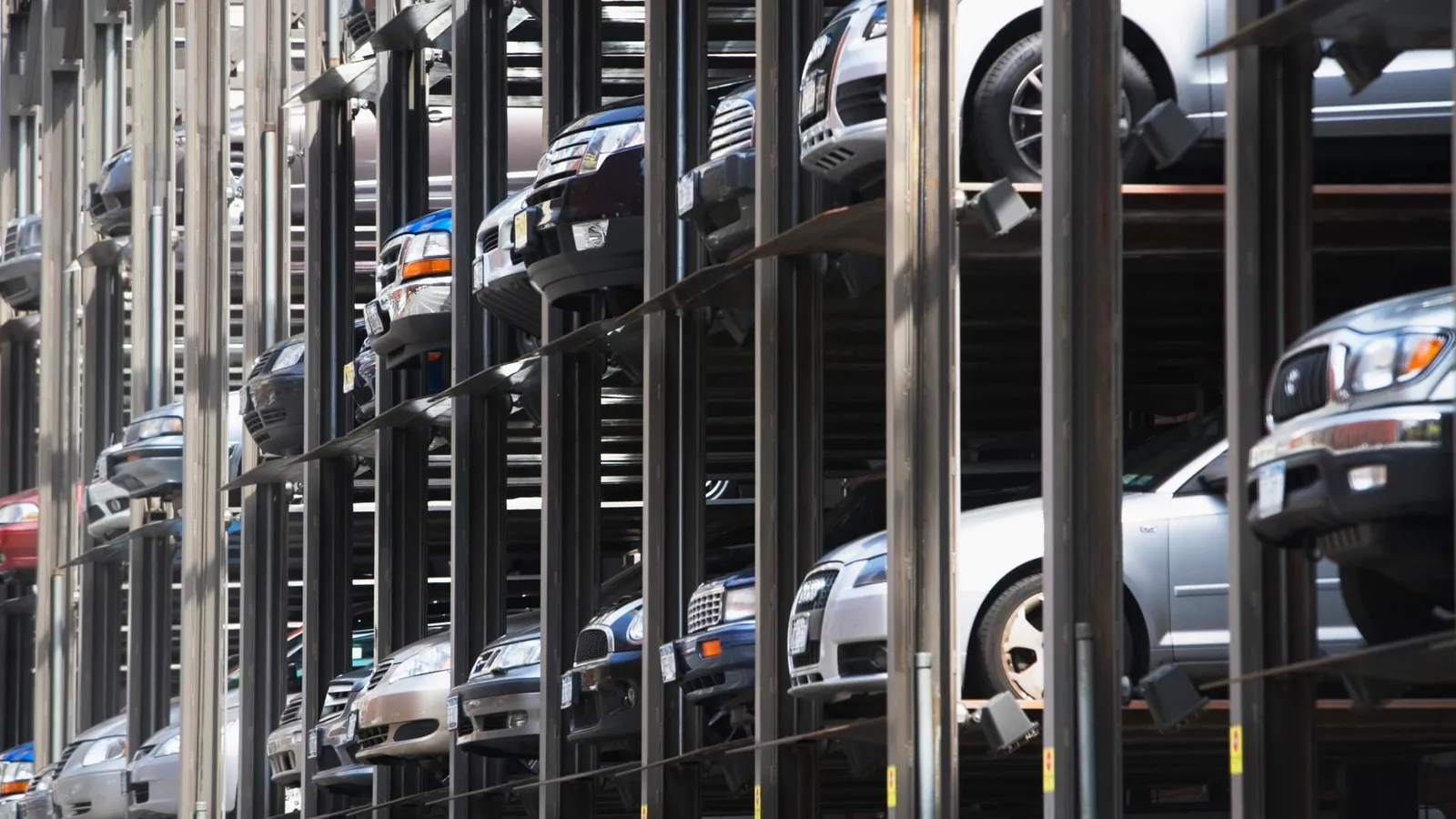
CNBC reports that pandemic-era car shortages are still pushing up used car prices, and that automakers learned lessons from that period. For decision-makers, the consequence is clear: supply constraints may keep keeping prices elevated, even after the initial shock fades.
Pandemic-era car shortages are still showing up where it hurts most: your local used-car market. Even though the worst of the initial disruption is behind everyone, the after-effects are still pushing used car prices higher. And that matters because used vehicles are the entry point for a huge slice of buyers, from first-time car shoppers to families who cannot time a purchase around a new model release.
The other key point from CNBC is that automakers learned lessons during the shortage era, and those lessons are shaping how supply gets managed now. In plain English, the industry is not just “moving on” from what happened. It is treating tighter supply as something to plan for, not something to dismiss as a one-time anomaly. That strategic mindset is part of why supply conditions can stay tight and why prices do not snap back instantly the way many people assume.
To understand why the used-car market stays pricey, you have to remember how vehicles flow through the system. When new-car supply is constrained, fewer cars get produced. That means fewer cars become available later as trade-ins. Used cars then carry not only “normal” demand but also demand that would have gone to new purchases. So even if used-car inventory looks stable on the surface, the mix shifts, and prices can remain supported.
There is also a timing mismatch that tends to frustrate consumers. Car buying is lumpy. People delay purchases during uncertainty, then rush in when they finally feel confident enough to commit. That means shortages can create a backlog that takes time to unwind, even after production schedules improve. If demand stays elevated while supply remains constrained, used prices can drift higher or stay elevated longer than expected.
This is where automakers’ pandemic playbook matters. CNBC’s framing is that automakers learned lessons from the shortage period, and those lessons stand to keep supply tight. The core idea is simple: if you lived through a shortage, you do not build your business on the assumption that shortages will never come back. You adjust procurement, production planning, and capacity expectations. Even when the supply chain problem is not identical to the original shock, the industry tends to keep some of the caution and complexity, because rebuilding certainty is hard.
There is also a practical reality behind “tight supply.” Automakers do not just manage cars as standalone products. They manage networks of suppliers and components, logistics capacity, and production scheduling constraints. When that ecosystem is under strain, the bottleneck is rarely a single switch that can be flipped overnight. So even gradual improvements can be offset by other friction. If the industry treats tight supply conditions as a persistent risk, it can unintentionally reinforce a high-price equilibrium by making supply planning more conservative.
Zooming out, the second-order implication for executives is that pricing power can outlive the headline reason. Pandemic shortages were the trigger, but the persistence comes from system-level effects like fewer trade-ins, demand shifting toward used, and cautious supply management decisions. That can influence everything from inventory strategy to financing assumptions to how boards think about margins across cycles.
For CFOs and board members at automakers and dealerships, the strategic stake is timing. If used prices remain high because supply stays tight, working capital decisions and inventory planning become more sensitive. High used prices can support dealer profitability, but they can also increase customer affordability pressure, which can affect volumes later. If automakers keep planning for tight supply, production and allocation choices influence not just revenue now but also downstream market stability. And for executives watching consumer demand, the key question becomes whether elevated used prices are a temporary mismatch or a longer regime driven by supply planning lessons from the pandemic.
In short, CNBC is pointing to a stubborn fact: the pandemic’s car shortages are still distorting the used market, and automakers are acting like the distortion will last. That should push decision-makers to treat supply tightness as a continuing variable, not a completed event.
This story's Key Insights and Take-aways are locked.
Create a free account to unlock Executive Actions for one credit.
Register to UnlockAlways free for Executives Club members. Join the Club
More in Business
SpaceX IPO: Wedbush calls a Tesla merger “holy grail,” Morningstar pegs $63 fair value
Trading starts June 12 at $135, but analysts are split over a $72-per-share “option premium” on orbital AI dreams.

10% of large employers will drop obesity drug coverage next year as costs rise
As use surges, a growing share of big employers plan to end coverage, shifting the bill and the politics of benefits.

SpaceX IPO looms as A.I. spending frenzy triggers tougher questions on rocket economics
DealBook frames the go-public moment as scrutiny grows over the sector's spending spree and what it means for investors.