

Paramount Plus cuts Premium to 99 cents for two months, through June 25, 2026
Both new and former subscribers get ad-free Premium or ad-supported Essential for $0.99 per month for 2 months.
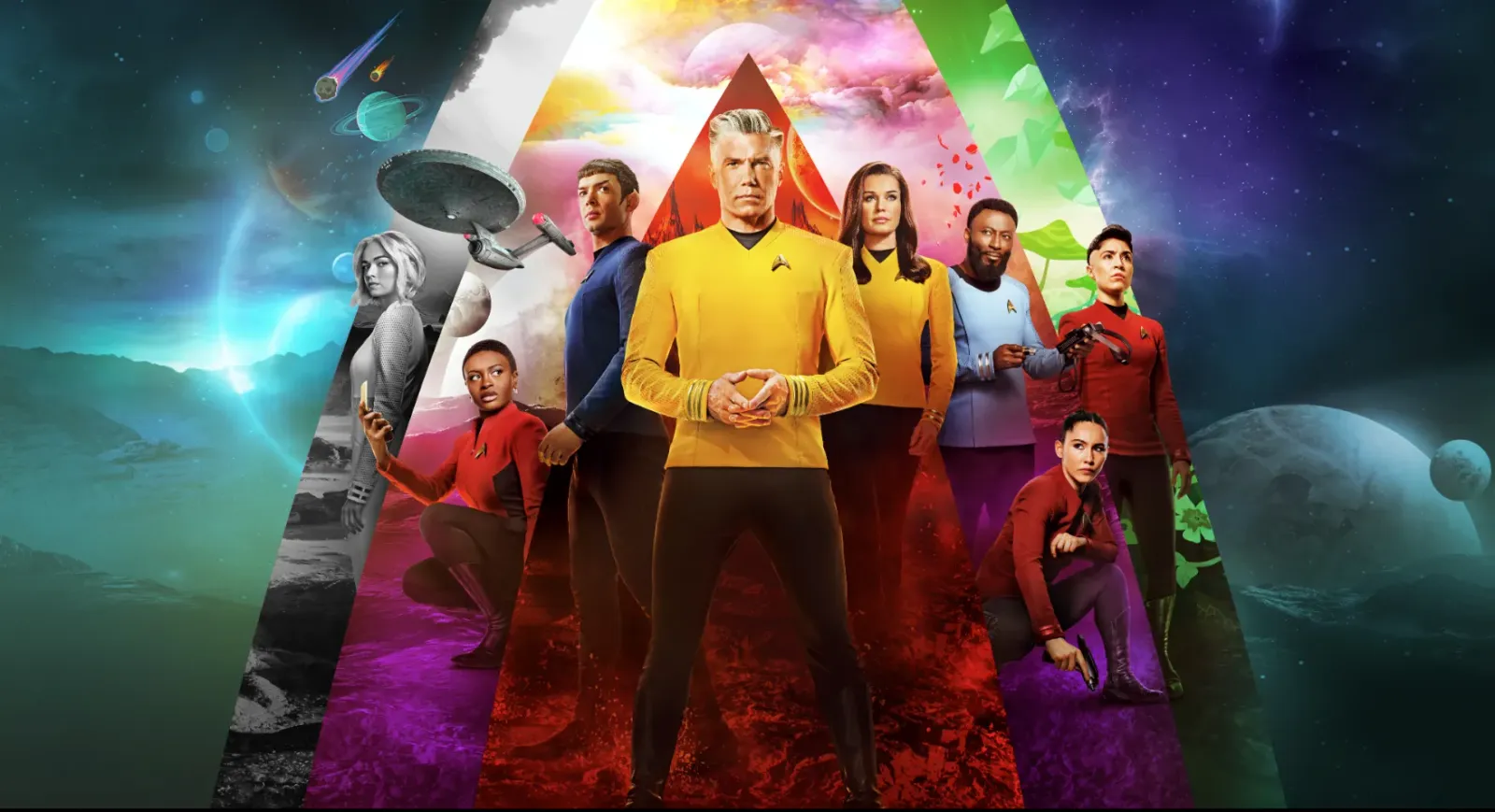
Paramount Plus is offering new and former subscribers a limited-time discount through June 25, 2026. Premium and Essential both start at 99 cents per month for the first two months, then automatically renew at $13.99 or $8.99.
Paramount Plus is selling two months of access for just 99 cents per month, available to both new and former subscribers until June 25, 2026. After that teaser period, Paramount Plus Premium automatically renews for $13.99 per month, and Paramount Plus Essential renews for $8.99 per month.
If you are trying to plan budgets, this is the kind of pricing move that matters because it changes how quickly households decide to test (or re-test) a streaming service. For the first two months, you are paying $0.99 per month for either the Essential plan (ad-supported) or the Premium plan (ad-free). The deal is framed as saving you over $20, and it includes access to a catalog of over 40,000 TV shows and movies. That catalog pitch is doing a lot of work, because it is what turns “discount” into “worth checking out now.”
What you actually get is a pretty standard streaming buffet, but with some clear franchise and live sports hooks. The catalog includes Star Trek: Strange New Worlds, The Naked Gun, South Park, and The Daily Show. It also highlights shows like Freaks and Geeks and Colin from Accounts. For viewers, that is a mix of prestige-ish titles, mainstream comedy, and established fan favorites. For decision-makers, it is a reminder that the streaming game is not just about one “hero” title. It is about getting you to believe the platform is a daily habit, not an occasional binge.
The Star Trek angle is especially telling. The Verge notes that Paramount Plus is one of the only places to find the majority of the Star Trek series, and it calls out the Next Generation as something subscribers might rewatch. That matters because franchises tend to act like retention engines. When a service can anchor a large library around a single high-commitment fandom, it reduces the odds that a discounted subscriber churns immediately after the promo window. Put differently: a two-month deal is often less about two months, and more about what happens when the bill starts coming due.
There is also a “fresh content plus classics plus live” structure to the offer. The deal mentions new movies like the 2025 Naked Gun reboot and classics like Mean Girls. On the live side, both plans include access to live NFL games on CBS, UEFA Champions League matches, and Showtime Originals. That bundle is strategically important because live rights are sticky. Even if a subscriber comes for scripted shows, live events create appointment viewing that can keep a subscription active through seasons and scheduling cycles. It is not hard to see why a discount would be deployed alongside live sports and premium cable content.
The Essential plan has some real limitations compared to Premium, and the differences are spelled out. Essential only includes a subset of the Showtime Originals found on Premium, it is ad supported, and it doesn’t allow for downloads or live CBS. Premium is positioned as the “fuller” option, with ad-free viewing and fewer restrictions. For executives, the pricing ladder does what the pricing ladder is supposed to do: it gives customers a low-friction entry (99 cents) while creating a rational reason to upgrade later when they hit the boundaries, like ads, downloads, or access to live CBS.
As streaming services increasingly compete on price, catalogs, and bundles, offers like this also create second-order pressure across the market. When Paramount Plus advertises a $0.99-per-month entry point for both new and former subscribers, it can reset consumer expectations around promotional pricing. That can lead competitors to respond with their own timed discounts, loyalty offers, or tier adjustments. Board members and investors watching streaming economics should care because discounts can grow subscriber counts, but they can also compress revenue per user if not paired with retention and upsell. This is where the automatic renewals matter, because the promo is designed to bring people into the funnel without turning the service into a permanent clearance bin.
Strategically, the clearest stake is simple: Paramount Plus is betting that a short, ultra-cheap runway gives customers enough time to experience the catalog and the live sports package, and then keep paying at the standard tier rates. If it works, Paramount can turn a two-month incentive into longer-term retention, using Star Trek and the broader library as the “why stay” hook. If it does not, you still get the learning, but the economics get harder. Either way, the market lesson is that in streaming, pricing promos are not just deals. They are product strategy, retention strategy, and competitive signaling all at once.
This story's Key Insights and Take-aways are locked.
Create a free account to unlock Executive Actions for one credit.
Register to UnlockAlways free for Executives Club members. Join the Club
More in Entertainment

Russell Brand's accuser 'bewildered and confused' as he denies 7 sex charges
The criminal case against the comedian is a live test of how media companies manage talent risk when serious allegations go public.

'It's a Magic Trick': Ballet Experts Say Rosalía's SNL Pose Is Impossible
Three ballet experts tell Rolling Stone Rosalía's gravity-defying SNL stillness shouldn't be possible - and why the debate is now part of the show.

Activision CMO: GTA 6 Will Boost Call of Duty, Not Bury It
Activision's top marketer says Rockstar's blockbuster will drive players back to consoles and into Modern Warfare 4, even as the company admits its recent strategy failed.