
Paul McCartney Bought Grease's Publishing Rights. It Helped Make Him a Billionaire
The Beatle owns the underlying rights to a musical with three Broadway runs and a hit film, a reminder that in entertainment the ownership layer, not the performance layer, is where fortunes compound.
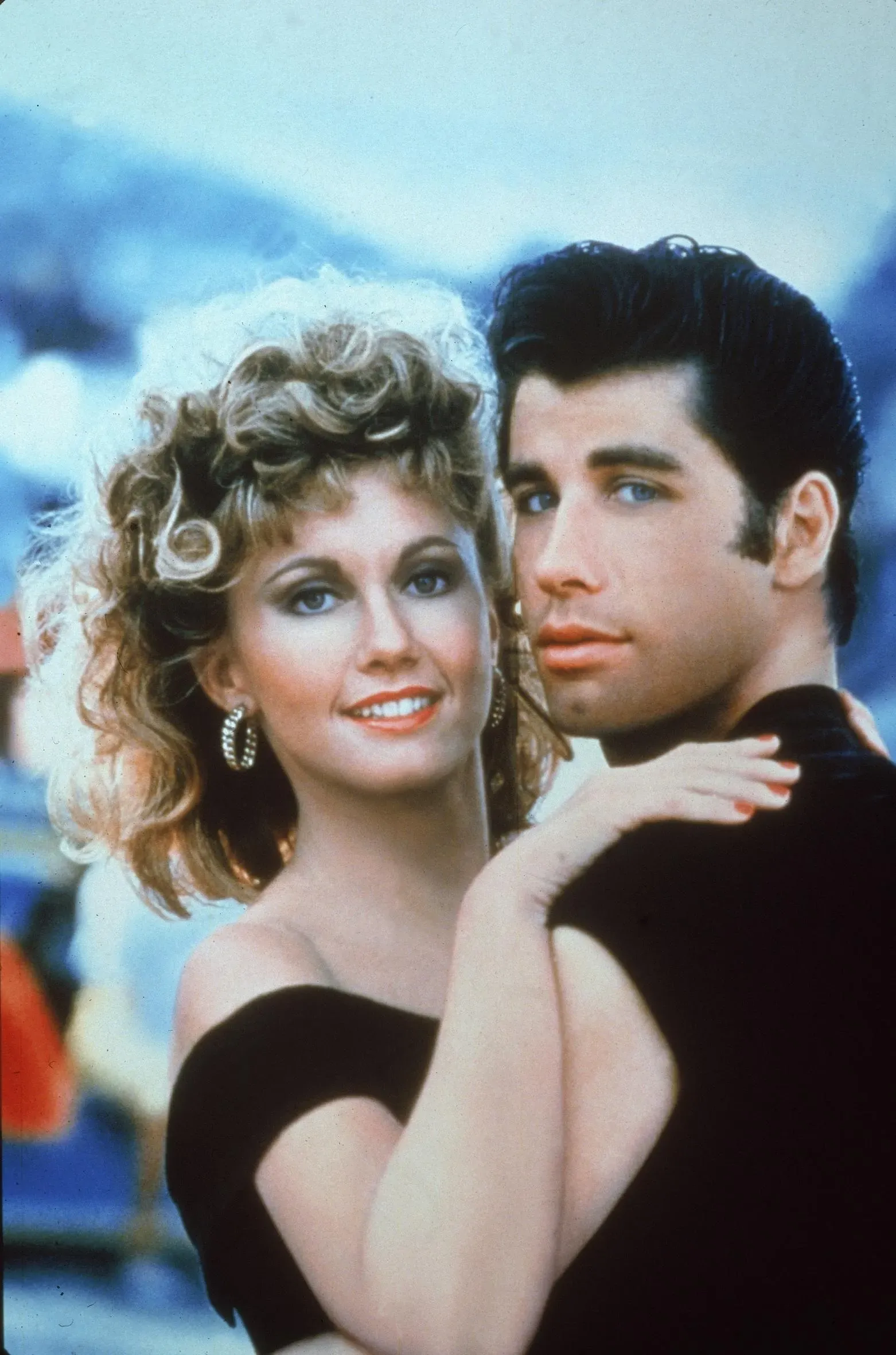
Paul McCartney owns the publishing rights to Grease, the musical with three Broadway runs and a high-grossing film, a holding Forbes ties to his billion-dollar net worth. For operators and boards, the case is a masterclass in why owning the underlying intellectual property, rather than licensing it, separates a paycheck from a perpetuity.
Paul McCartney owns the publishing rights to Grease. According to Forbes, that holding sits among the assets behind a net worth that has crossed into billionaire territory, and it is a useful lens on how entertainment fortunes actually get built. Publishing rights are the copyright in the underlying material: the songs, the book, the show itself. They pay the owner every time that material is performed, printed, recorded, or licensed. McCartney does not have to tour Grease. He just has to own it.
Grease is an unusually durable piece of intellectual property. It has had three Broadway runs and a high-grossing film, which means the same copyright has been monetized across multiple formats and multiple generations of audience. A stage production pays royalties on every performance. A film pays for the synchronization of the songs and, if the soundtrack moves units, on the recordings. School, community, and regional theater productions pay licensing fees year after year, in dozens of countries, long after the original cast has moved on. That is the quiet genius of theatrical publishing: it behaves like a subscription business wearing a leather jacket.
To see why that matters, split the music business in two. There is the sound recording, the master, which is the actual audio you stream. And there is the composition, the publishing, which is the song as written. Owning publishing means you get paid when a radio station spins it, when a streaming service plays it, when a movie syncs it, when a choir photocopies it, when a high school stages it. Masters are typically controlled by labels. Publishing is controlled by whoever was smart enough, or rich enough, to buy it.
McCartney's interest in that side of the ledger is not an accident. He is on the wrong end of one of the most consequential publishing stories in rock history: the Beatles' catalog was sold in the mid-1980s in a deal he did not control, a saga widely reported at the time and ever since. The lesson he took from it was structural. If you do not own the underlying rights, someone else collects the annuity on your life's work. Buying into properties like Grease is the other side of that trade.
Grease also sits inside a broader repricing of music rights. Over the past decade, pension funds, private equity firms, and specialist funds have pushed capital into song catalogs, drawn by cash flows that are largely uncorrelated with public equities and that keep arriving whether the economy is expanding or not. The buyers are not romantics. They are underwriters pricing duration. Musicals are the underappreciated corner of that market. A pop hit has a chart life. A stage show has a licensing life that can run for fifty years, and every revival resets the clock. The educational and amateur market alone is a global, recurring revenue stream most investors never see.
The second-order implication for anyone building a creative business is blunt. The money is in the ownership layer, not the performance layer. Performers get paid when they work. Rights holders get paid when anyone works. That is why the modern deal conversation has shifted toward publishing splits, masters reversion clauses, and estate planning, and why legacy properties like Grease keep showing up on balance sheets decades after the original production closed. They are the closest thing entertainment has to a perpetuity.
There is a generational angle too. Grease has already survived long enough to be revived for audiences who were not born when the film was released, and each revival feeds the next round of licensing, merchandise, and soundtrack interest. That compounding is not luck. It is the mechanical result of owning a copyright that other people want to use. The owner does not have to create demand. The owner simply has to be standing where the demand has to pass through.
For executives and boards, the McCartney case is a reminder that the most valuable assets in media are often the least visible. A catalog needs no factory, no headcount, and no marketing budget. It needs a lawyer, an administrator, and time. The strategic question is not whether to buy music rights. It is whether the intellectual property your company creates, licenses, or commissions is owned by you or rented from someone else. McCartney spent the first half of his career on the wrong side of that question. He has spent the second half making sure the answer changed.
This story's Key Insights and Take-aways are locked.
Create a free account to unlock Executive Actions for one credit.
Register to UnlockAlways free for Executives Club members. Join the Club
More in Business
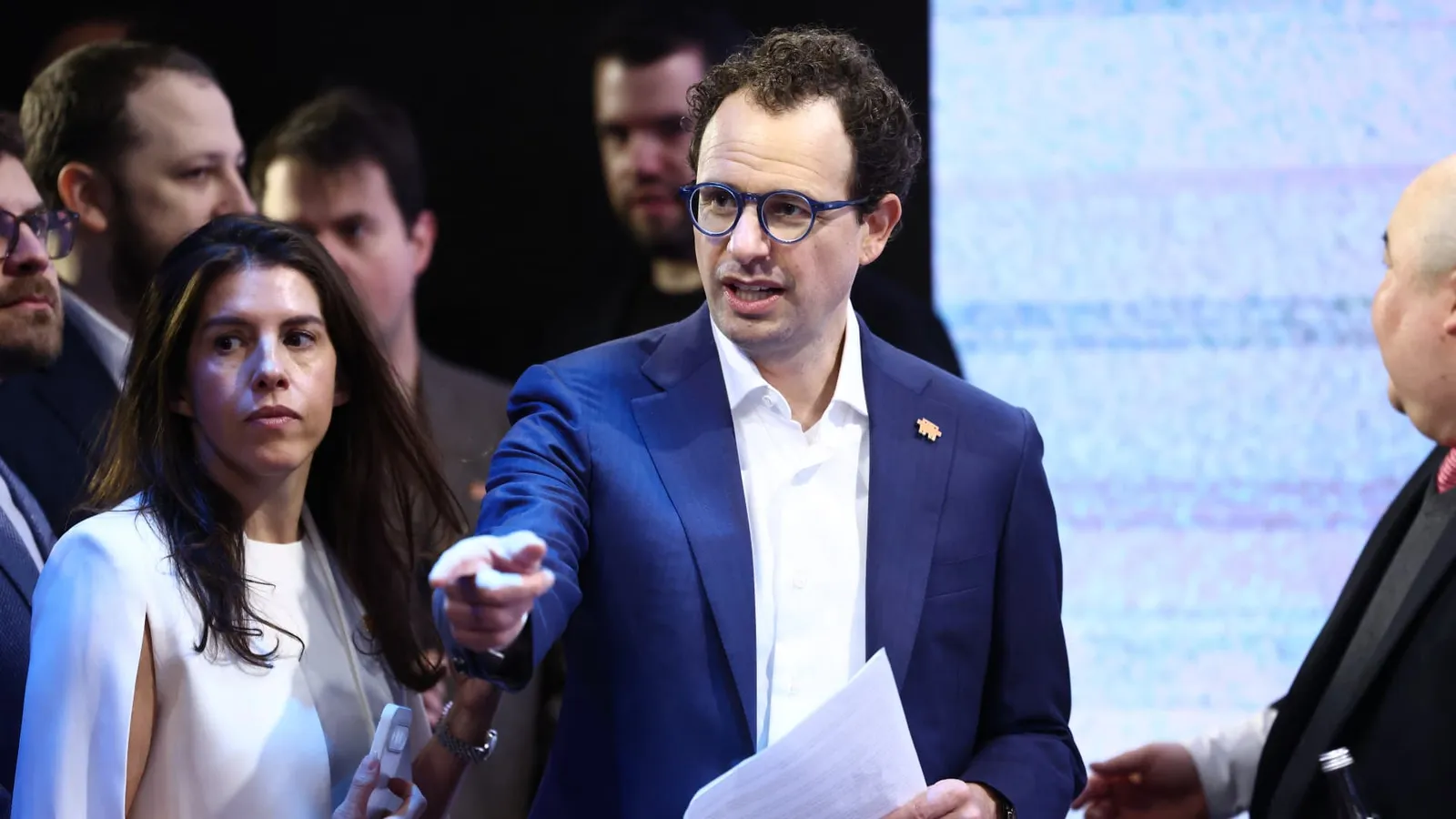
Anthropic's record IPO lands a day before Nvidia's longest losing streak since 2008
Anthropic's record Nasdaq debut and Nvidia's longest weekly losing streak since 2008 landed within 24 hours of each other, and the contrast shows how fast the market is re-pricing the AI trade.
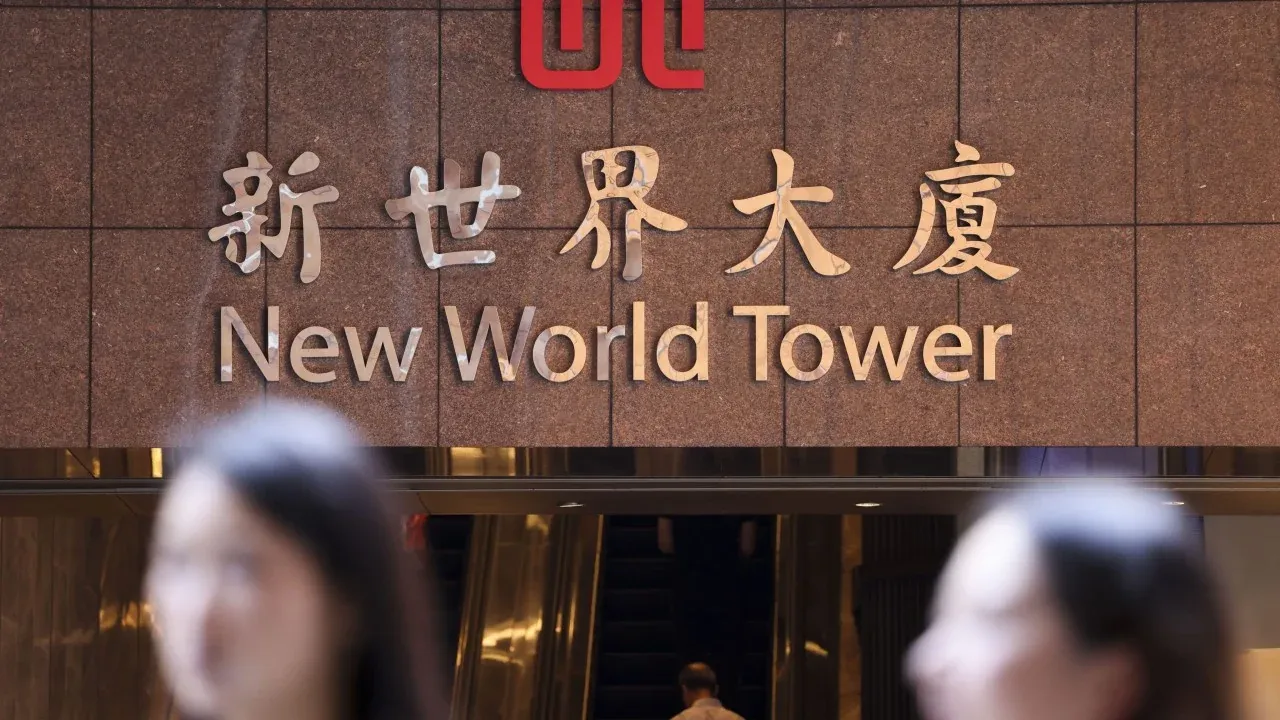
New World's HK$24.9B rights issue triggers 41% plunge as HK$50B debt target looms
New World Development has three levers left to erase up to HK$50 billion in borrowings by 2031, and shareholders just told the market what they think of the first one.
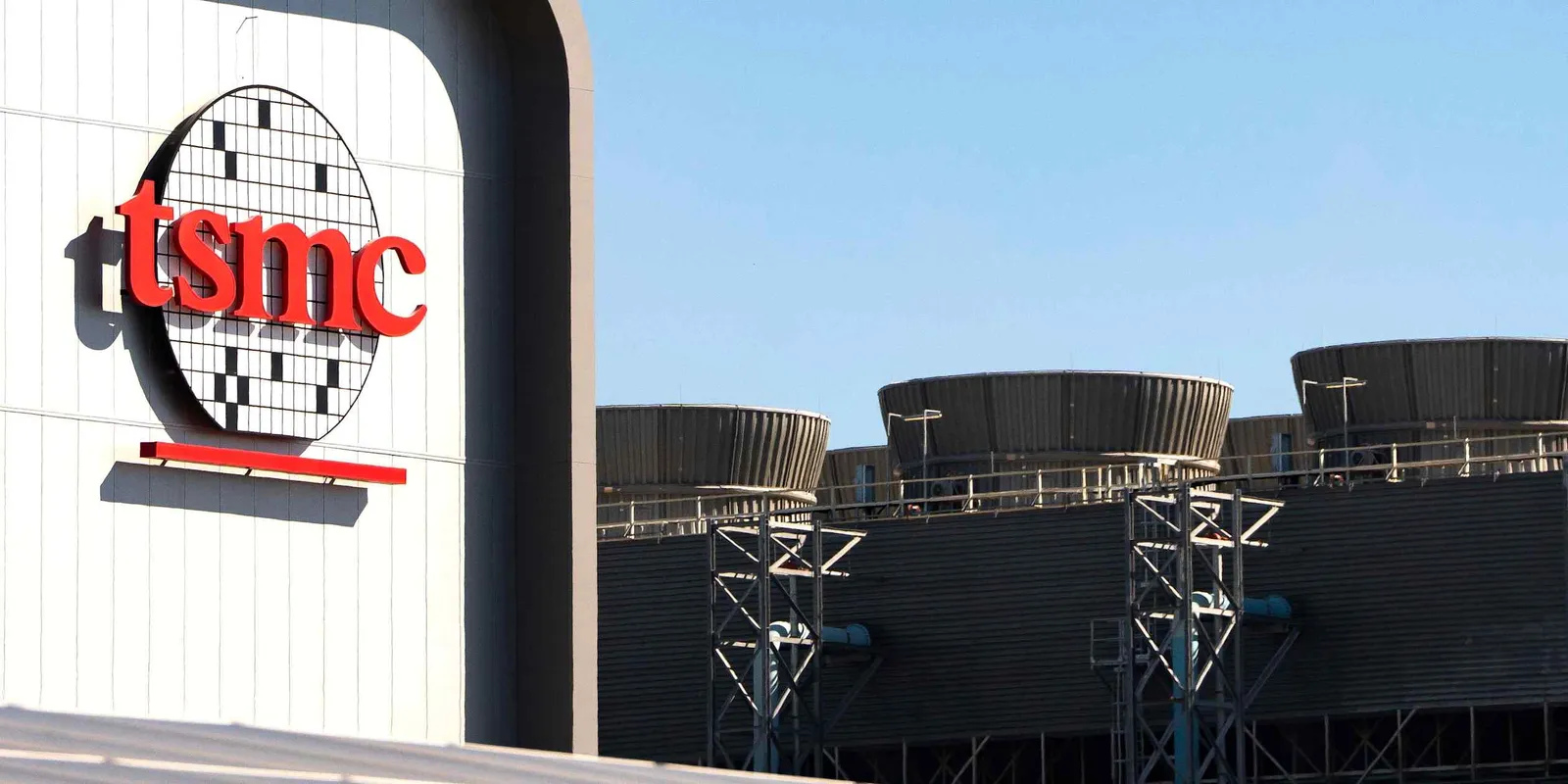
Chip supply chain warns new US export controls will spread beyond the target list
Suppliers, distributors and equipment makers say the latest US restrictions will not stay contained to the firms named on paper, putting orders, inventory and delivery timelines at risk across the global chip chain.