

Paul Weiss led resistance to Trump, then retreated after White House pressure
A Times investigation shows how Big Law’s biggest names can shift fast when political pressure hits the contract pipeline.
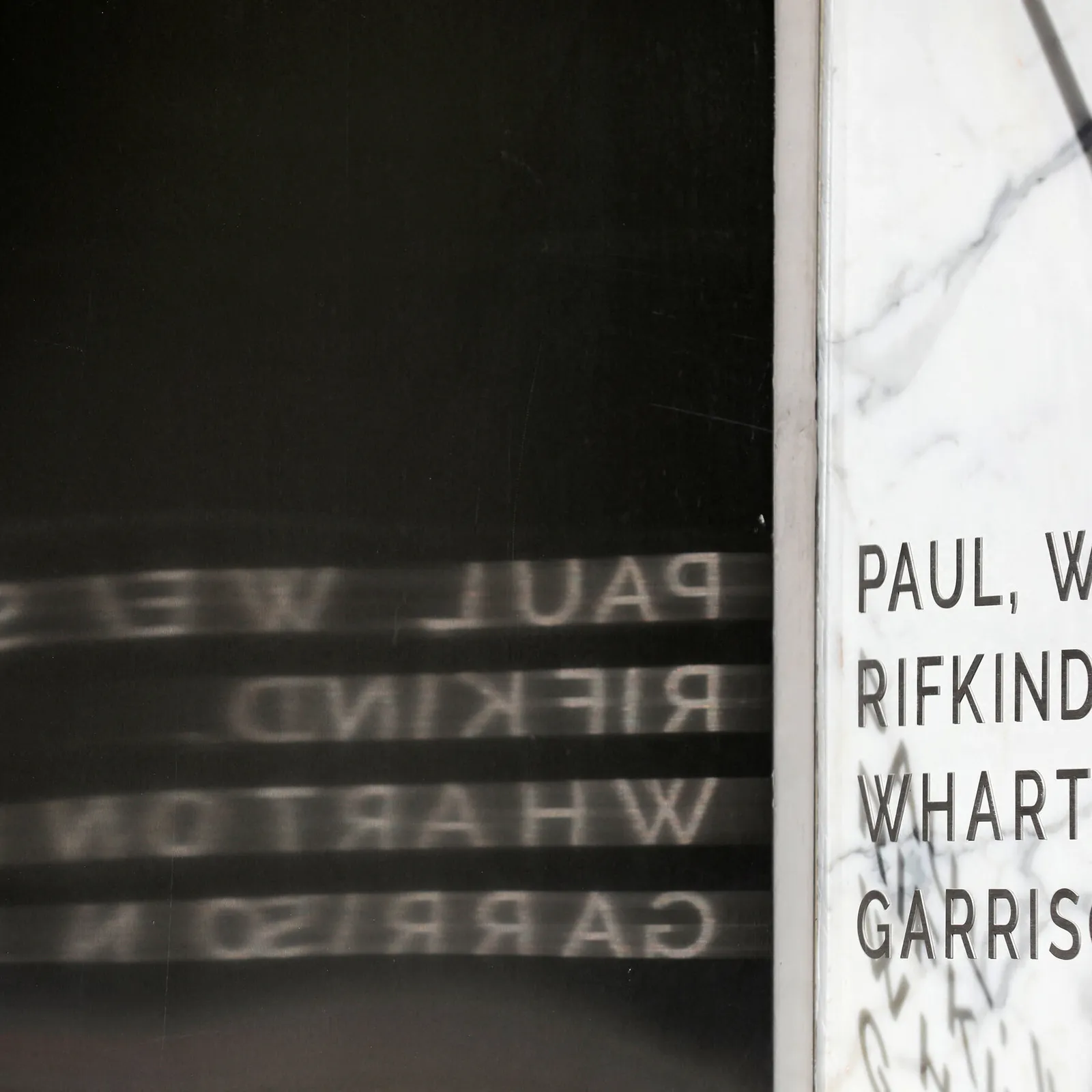
Paul Weiss, once a leading law-firm voice against President Trump, pulled back across the legal industry. The Times investigation describes how the firm caved to White House pressure, reshaping how decision-makers should read legal independence risks.
Paul Weiss is a name that, for many people, has carried a specific vibe: big, credentialed, and willing to push back. The New York Times investigation at the center of this story says that vibe did not survive sustained pressure from the White House. The firm that led the legal resistance to President Trump then led a sudden retreat across the legal industry.
This reversal matters because Big Law does not just sell legal services. It sells credibility, leverage, and momentum. When Paul Weiss retreated, the signal likely traveled well beyond its own client roster. In the Times framing, the key driver was White House pressure, with the firm “caved” to it. That is not a small operational detail. It is a stress test of how quickly the legal profession can pivot when power, politics, and reputational risk collide.
To understand why this story lands like a policy shock, zoom out for a second. In normal times, law firms often treat resistance as a governance choice. They build teams, mobilize filings, and align partners around a strategy that can hold for months, even years. But legal work sits inside a broader ecosystem of incentives. Clients are large institutions with political exposure. General counsel budgets are constrained. Partnerships are sensitive to where risk is heading. And firms operate like businesses, not charities, which means reputational posture has financial consequences.
The source is not describing a slow, naturally evolving strategy shift. It describes a retreat, and it pins causation on pressure from the White House. That combination is what makes executives and boards pay attention. Pressure like that does not only change outcomes in a single case. It changes how decision-makers forecast costs and benefits across future matters. It also changes how other firms position themselves. If a prominent leader in resistance pulls back, competitors may interpret that as a new market baseline.
There is also a regulatory and enforcement angle here. Even when the dispute is framed as legal, the real world version is usually about where enforcement priorities go. Presidents and their administrations can influence agencies, staffing, and enforcement posture. Lawyers who operate in the orbit of government-facing work know that. Their work can include investigations, compliance programs, and litigation strategies that shape how companies manage risk. So when the Times investigation portrays Paul Weiss as caving to White House pressure, it implicitly raises a question for every board: if the most visible resistance player can retreat, what happens to the rest of the market when the incentives tilt?
For leaders inside corporations, the second-order effects show up in procurement and governance. Boards do not only hire law firms to win cases. They hire them to advise on exposure, to design compliance strategies, to keep decisions defensible, and to push back when it is warranted. If the industry’s resistance posture can shift quickly under political pressure, then legal strategy becomes harder to underwrite. The boardroom conversation changes from “Is this the right legal position?” to “What will this firm realistically stand behind under pressure?” That is uncomfortable, but it is the real stake.
And for legal industry executives, the story is a reminder that culture and client service do not exist in a vacuum. Law firms rely on partner buy-in, and partners rely on stability of strategy. When a firm retreats after pressure, it can reshape internal alignment: which matters get prioritized, which clients get reassurance, and how risk is evaluated across jurisdictions. The Times investigation suggests that Paul Weiss was not just reacting to a specific matter. It was leading, and then it was retreating. That means the internal change was likely visible enough to influence the wider legal market, not just one practice group.
Strategically, the takeaway is blunt: political pressure can reorganize the legal profession’s posture faster than many clients expect. Decision-makers who assume institutional independence based on historical reputation alone are exposed. If your company depends on counsel to hold firm when pressure rises, you need to understand what “resistance” looks like in practice, not just in branding. In the Times account, Paul Weiss went from leading resistance to leading retreat across Big Law. That arc should sharpen how peers think about counsel independence, risk forecasting, and the governance assumptions behind legal spend.
This story's Key Insights and Take-aways are locked.
Create a free account to unlock Executive Actions for one credit.
Register to UnlockAlways free for Executives Club members. Join the Club
More in Politics
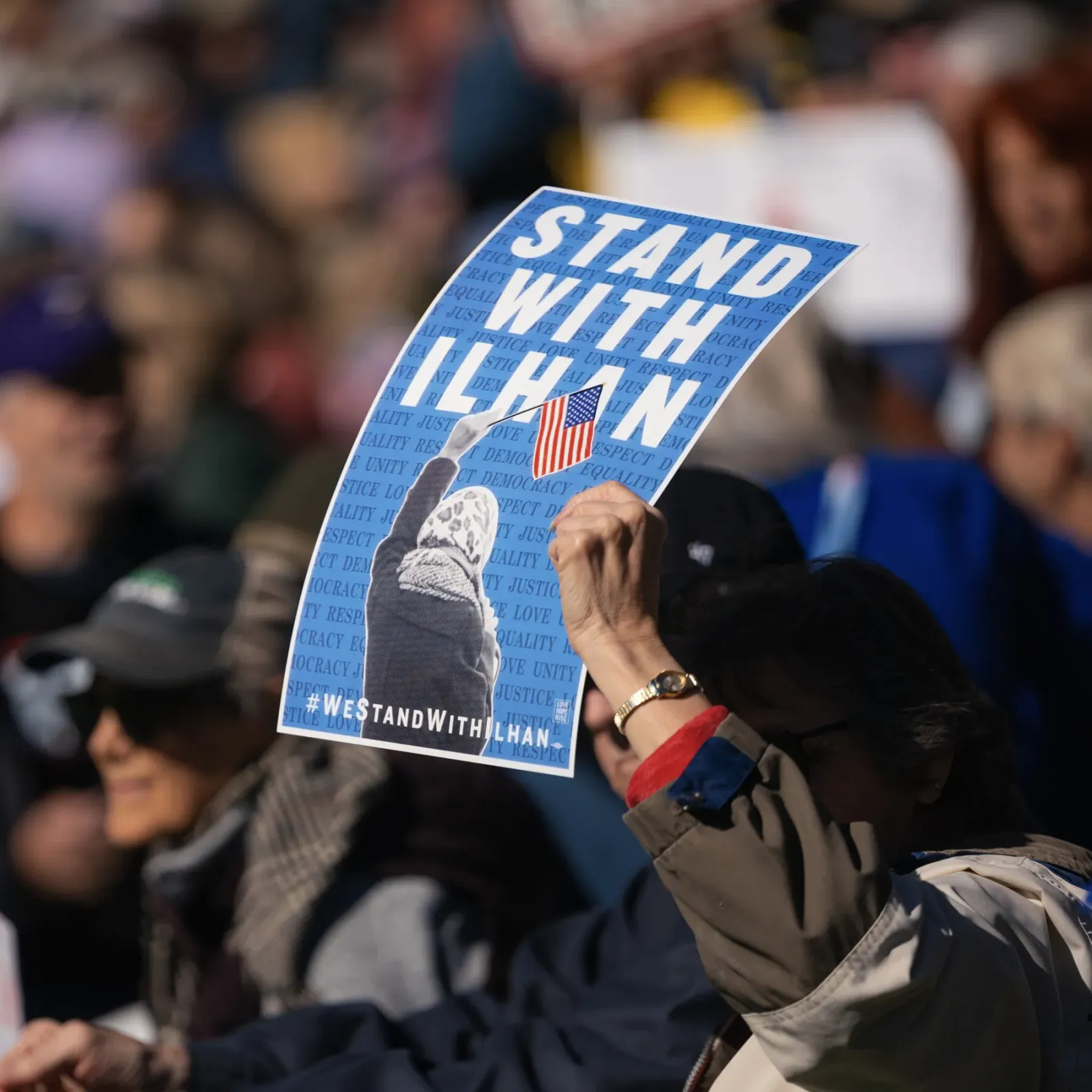
Obama Defends Ilhan Omar After Agents Search Her Home in Trump Inquiry
The former president's intervention raises the stakes in a federal probe into immigration paperwork that has put a prominent progressive lawmaker in the crosshairs.

Blair-era minister: cut welfare to fund youth job support
Alan Milburn's call for welfare cuts to fund employment support opens a Labour fight over benefits and the Neet crisis.

Hot September CPI: energy costs surge, voters feel the squeeze before midterms
The latest inflation print lands as Trump campaigns for GOP control of Congress, putting cost-of-living worries at the center of the midterm fight.