

Pew’s China-vs-US “popularity” headline hides a split that no one can claim
A new Pew survey shows global favor tilting toward China, but the real story is who benefits and who doesn’t.

Foreign Policy reports on a new Pew survey indicating the world likes China more than the United States. For decision-makers, the consequence is a messy signal: it does not automatically translate into endorsement, legitimacy, or deal momentum.
A new Pew survey is already being used as a headline. The claim is simple: the world likes China more than the United States. The problem, as Foreign Policy points out, is that the “win” does not belong neatly to Beijing or to Washington.
The deeper you go, the clearer it gets that the popularity gap is not the clean trophy story it pretends to be. Pew’s finding is real, but the interpretation is slippery. The headline suggests a global pivot toward China. The reality is more complicated, because Pew is measuring attitudes, not contracts, and attitudes do not map cleanly onto policy outcomes, procurement decisions, or regulatory choices.
Why does this matter to executives and investors? Because in international business, “soft power” is often treated like a lever. If consumers prefer one brand, supply chains follow. If governments prefer one partner, investment lanes open. But attitude surveys are blunt instruments. They can reflect fatigue with American politics, frustration with US foreign policy, or simply the perception that China is more present or more predictable in day-to-day issues. Those perceptions can coexist with very hard constraints, like local laws, procurement rules, data security requirements, and national security reviews that do not care how people feel.
This is where the story stops being geopolitical trivia and starts looking like risk management. Many cross-border decisions are gated by processes that run on checklists and statutes, not sentiment. Even when a country is viewed positively in polling, approvals can stall if regulators believe the technology, data flows, or supply chain dependencies create unacceptable exposure. The “favorability” number may help in early relationship-building. It rarely overrides compliance frameworks, export controls, sanctions regimes, or enforcement discretion in sensitive sectors.
The second-order effect is that boards and leadership teams can get misled by correlation. A survey that shows China is liked more than the US can tempt leaders to assume that the market will reward Chinese vendors, Chinese platforms, or Chinese financing terms with fewer obstacles. But attitude does not equal access. Governments can like a country and still restrict partnerships. They can dislike another country and still sign deals when commercial incentives are strong. In other words, the Pew result is an input, not an outcome.
Foreign Policy’s framing, “Look closer, and the win belongs to nobody,” is a warning about reading tea leaves as if they were contracts. If global favor shifts without a parallel shift in regulatory openness, companies can wind up investing in the wrong narrative. They may chase “improving sentiment” while their actual bottleneck remains unchanged: local procurement policies, licensing requirements, security assessments, or geopolitical hedging that forces diversified vendor strategies.
For peers in leadership roles, the strategic stake is timing. International sentiment can move faster than institutions. Opinion cycles can shift in months. Regulatory cycles, by contrast, can take quarters or years, especially where national security or sector-specific rules are involved. If your go-to-market plan assumes that a favorability bump will quickly translate into smoother approvals, you risk a gap between communications and reality. That gap can show up as delayed contracts, longer due diligence, additional compliance costs, and more restrictive contracting terms.
The broader takeaway is not that the Pew survey is meaningless. It is that it is incomplete. A popularity contest between countries does not settle questions like which ecosystems will be trusted with critical infrastructure, which data practices will be permitted, or how procurement authorities will score risk. So yes, China’s relative favorability advantage versus the US may exist. But executives should treat it as a sign of perception, not a guarantee of opportunity, and certainly not a free pass through regulatory gravity.
In a world where sentiment is increasingly weaponized, the “win belongs to nobody” message is a useful corrective. If you are building partnerships, raising capital, or steering boards through international expansion, your real scorecard is regulatory feasibility and institutional alignment, not just global vibes. Pew may show what people think. The operating environment will still decide what businesses can actually do.
This story's Key Insights and Take-aways are locked.
Create a free account to unlock Executive Actions for one credit.
Register to UnlockAlways free for Executives Club members. Join the Club
More in Politics
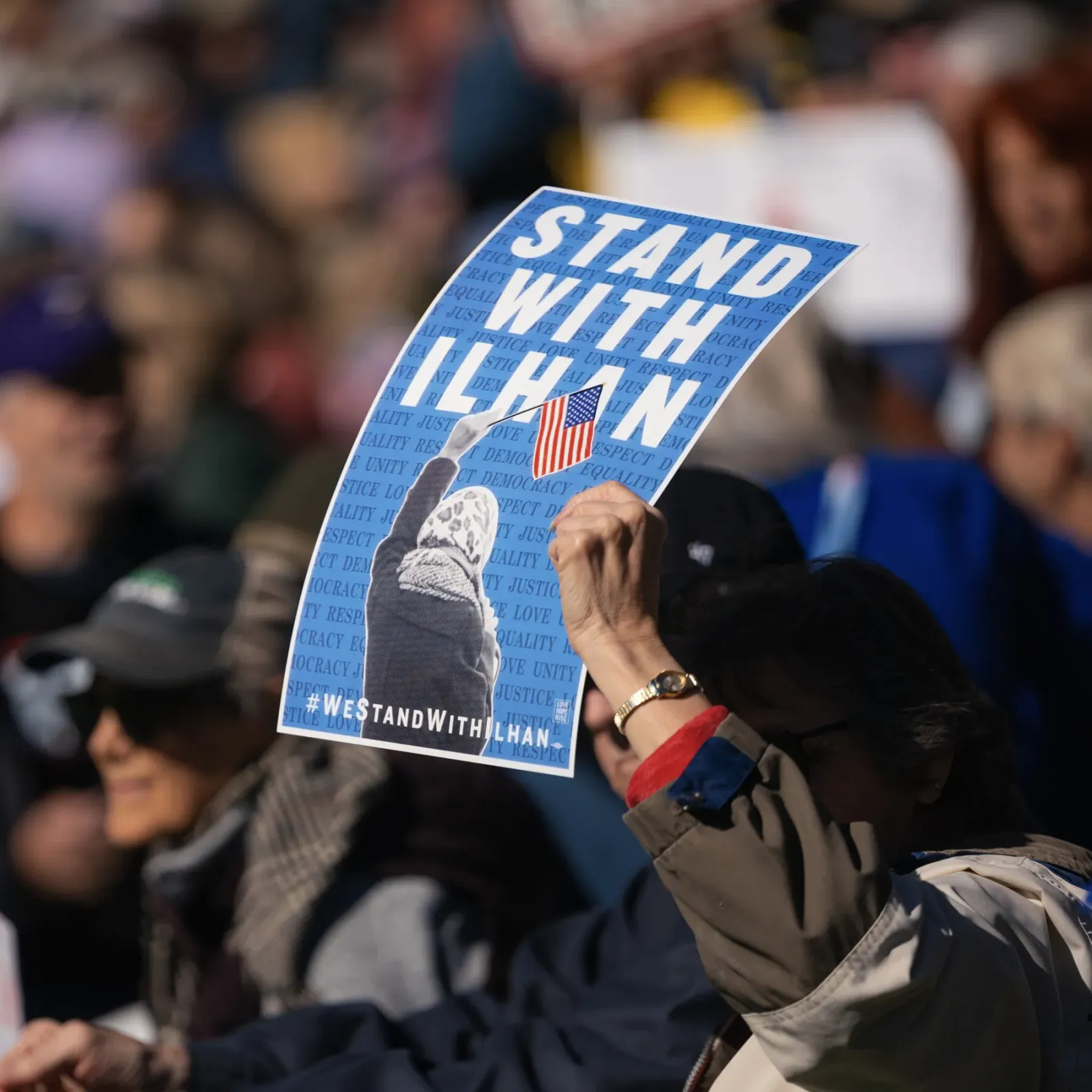
Obama Defends Ilhan Omar After Agents Search Her Home in Trump Inquiry
The former president's intervention raises the stakes in a federal probe into immigration paperwork that has put a prominent progressive lawmaker in the crosshairs.

Blair-era minister: cut welfare to fund youth job support
Alan Milburn's call for welfare cuts to fund employment support opens a Labour fight over benefits and the Neet crisis.
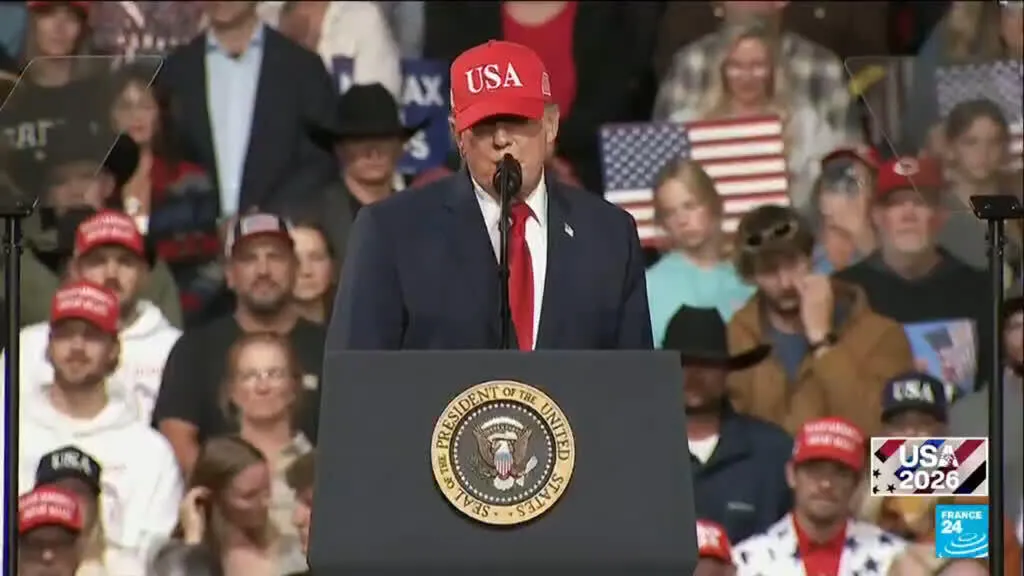
Hot September CPI: energy costs surge, voters feel the squeeze before midterms
The latest inflation print lands as Trump campaigns for GOP control of Congress, putting cost-of-living worries at the center of the midterm fight.