

Players Found an Unreleased D'Angelo Song Buried in GTA 6's 800-Song Radio
The record-breaking launch turned an in-game radio dial into a posthumous release channel, and that quietly rewrites the playbook for every estate, label, and publisher sitting on unreleased catalog.
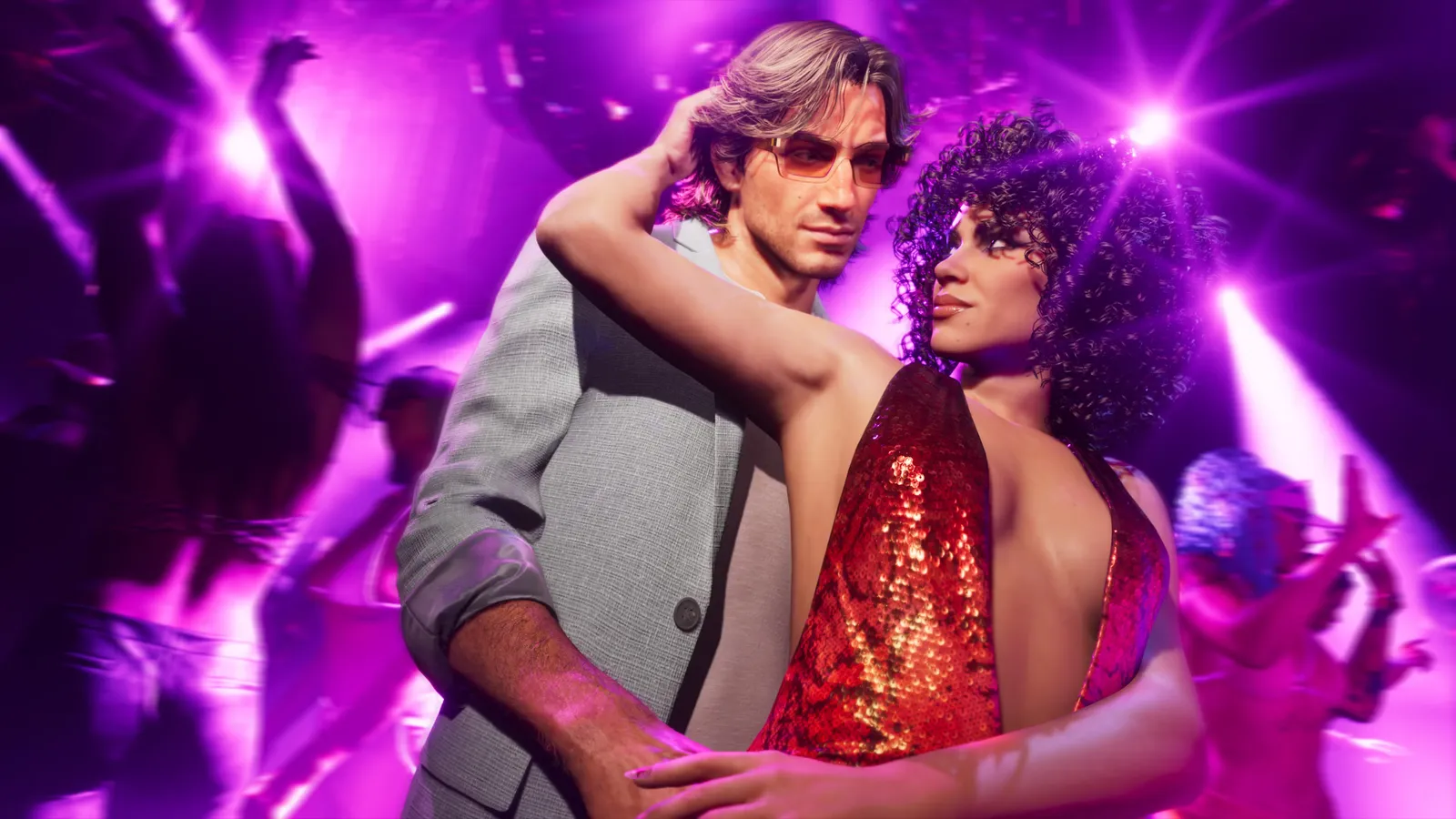
Players have discovered that one of Grand Theft Auto 6's in-game radio stations plays an unreleased song from the late D'Angelo, tucked inside a soundtrack spanning more than 800 songs following the game's record-breaking launch. For rights holders and publishers, the find is a live case study in premiering unreleased catalog through interactive entertainment instead of a conventional streaming rollout.
Players have found an unreleased D'Angelo song playing on one of Grand Theft Auto 6's in-game radio stations, a discovery that turns the year's biggest entertainment launch into a posthumous release channel. Polygon reported the find, noting the track sits inside a soundtrack that spans more than 800 songs. The tribute is easy to miss: you have to be behind the wheel in Vice City, radio dialed to the right frequency, to hear it. That is precisely the point. Nobody pushed a single, nobody staged a rollout, and nobody needed to. The song simply exists inside the world, waiting for a player to stumble into it.
The scale is what makes it land. GTA 6 arrived on a record-breaking launch, per Polygon, and its music library is not a soundtrack in the traditional sense. It is closer to broadcast infrastructure: hundreds of tracks sorted into stations, each with its own genre identity, all of it running continuously while players drive, race, and wander. For an artist's catalog, that is not a placement, it is a residency. A song in a game like this does not get one listen from one fan. It gets repeated, ambient, involuntary exposure across millions of play sessions, and it arrives without the listener ever deciding to press play.
The fact that the song is unreleased is the sharper detail. Posthumous music releases historically follow a familiar script: an estate or label announces the project, dates it, markets it, and ships it to streaming services on a Friday. Here the sequence is inverted. The song is live, in the wild, inside a game, before any conventional release. For the estate and any label holding the rights, that is a controlled leak with a marketing budget attached, except the marketing is a player base that treats discovery as a competitive sport. Polygon framed the placement as a touching tribute to a music legend, and the framing matters: this reads as curation, not commerce, even though commerce is exactly what it is.
Music licensing for games is typically negotiated as a sync deal, a fee for the right to pair a recording with the game plus ongoing royalties or a buyout depending on the term. Clearing more than 800 songs is an operational feat in its own right, requiring rights holders, publishers, and estates to sign off track by track, often across multiple territories and legacy contracts. Historically, games were a secondary revenue line for catalogs, well behind streaming, radio, and film. That hierarchy has been shifting for years as interactive entertainment grew into one of the largest consumer media categories, and a launch of this size compresses the shift into a single event.
The second-order effect is what rights holders should be pricing in now. A placement in a game with this reach does something streaming cannot: it creates context. Players associate the song with a place, a drive, a specific moment, and that association is durable in a way a playlist slot is not. For an estate sitting on unreleased material, the calculus changes. The question stops being when do we release this and becomes where do we premiere it. A game radio station is now a legitimate answer, and it comes with a built-in audience that skews younger than the one a legacy artist's catalog typically reaches.
There is a tradeoff, and it is not small. Unreleased material is the most valuable and most fragile asset in any catalog. Once it is inside a shipped game, it is in the wild permanently, datamined, clipped, and uploaded within hours of launch. Rights holders who go this route are effectively trading exclusivity for reach, and they are trusting a publisher's build process to keep the surprise intact until release day. That worked here. It will not always work, and the estates watching this will want to know exactly how the audio file was secured and who had access before they hand over anything comparable.
For game publishers, the lesson runs the other way. Music has become a differentiator rather than a checkbox. A soundtrack of this scale signals investment, and it is one of the few features that generates organic press after launch, as this discovery demonstrates. Rivals building open-world titles now face a higher bar: not just how many songs, but whether any of them are impossible to get anywhere else. Exclusive, unreleased, and unexpected is the new premium tier of game music, and it is expensive to replicate at speed.
The strategic takeaway for anyone holding catalog, or building a platform that consumes it, is that the release calendar is no longer the only calendar that matters. A song can debut inside a virtual city, on a radio station, to an audience that never asked for it and will remember it anyway. D'Angelo's unreleased track is the proof of concept. The next estate, label, or publisher chasing a moment like this has to decide whether it is worth surrendering the announcement in order to buy the discovery.
This story's Key Insights and Take-aways are locked.
Create a free account to unlock Executive Actions for one credit.
Register to UnlockAlways free for Executives Club members. Join the Club
More in Entertainment

GTA 6 banks $3.8bn in one day, torching every launch record
One game just out-earned every video game launch and every single-day film box office haul in history, and the fallout lands on every media CEO's forecast.

GTA VI Racked Up $3.79 Billion in a Single Day, Topping Every Film Ever
A 13-year wait produced a $3.79 billion day, more than any movie has made in its entire run, and it resets the launch math for every studio, streamer, and brand chasing the same attention.

GTA 6 sells 32.5M pre-sales and $3.79B day one, torches 13-year record
Rockstar's sequel didn't just beat Grand Theft Auto V's 13-year-old benchmark; it reset what a launch can be, with 32.5 million pre-sale copies and $3.79 billion in a single day.