
PM Burnham weighs reversing last prime minister’s jury-trial scrap plan in England and Wales
The PM says his “instinct” is to unwind a prior plan limiting jury trials, reshaping how justice is delivered and perceived.
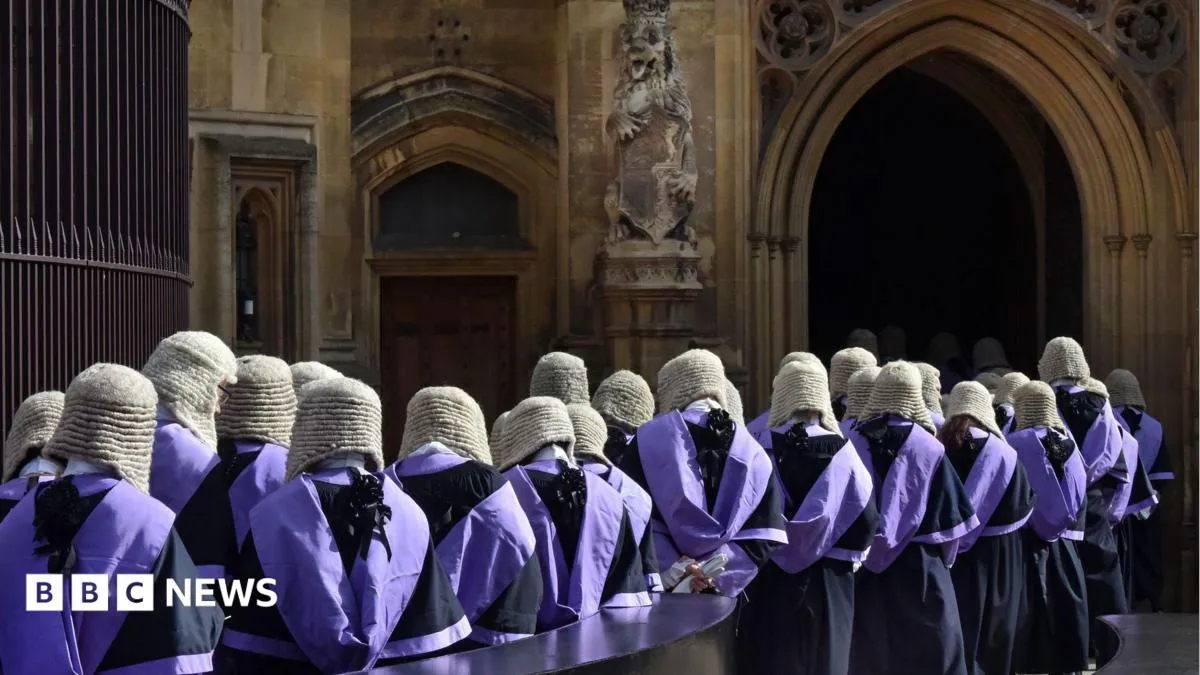
Prime Minister Burnham says his “instinct” is to reverse plans set out by the last prime minister to limit jury trials in England and Wales. For decision-makers, that shift signals how fast criminal justice policy can swing and how courts and public trust may respond.
Prime Minister Burnham is considering reversing plans from the last prime minister that would limit jury trials in England and Wales. Burnham has said his “instinct” is to reverse that approach, putting immediate political weight behind a potentially significant change in how criminal cases get tried.
That may sound procedural, but the stakes are real. Jury trials sit at the center of how England and Wales handle serious criminal matters, and changes to who gets a jury, and why, can quickly affect everything from defendants’ rights to the workload and expectations placed on courts. Burnham’s signal is essentially a bet on one thing: that a policy shift away from jury trials carries more risk than reward.
To understand why a reversal matters, zoom out to how criminal justice policy typically evolves. Justice system reforms do not happen in a vacuum. They usually come bundled with goals like efficiency, backlog reduction, consistency, and cost control. Limitations on jury trials are the kind of lever governments pull when they feel pressure on court capacity, or when they think some cases can be handled through other routes without undermining fairness. But once the political system commits, the debate does not stay abstract. It becomes a live question for judges, lawyers, court administrators, defendants, victims, and the public.
Burnham’s use of the word “instinct” is telling. It suggests he is not only weighing policy on paper, but responding to something he thinks the last prime minister got wrong in direction. In politics, “instinct” often functions like a shorthand for what feels politically and ethically misaligned, or what appears to have unintended consequences. Here, it points to a possible shift back toward a model that preserves the jury’s role in the process.
There is also a governance dynamic worth watching. When one prime minister sets out a plan and the next signals reversal, it can create a period of uncertainty. Court systems and legal professionals work on timelines, preparation cycles, and procedural expectations. Even if the mechanics of jury trial limits are not implemented overnight, the signaling alone can influence planning, case strategy, and negotiations around settlements or plea decisions.
Then there is the perception risk. Jury trials are not just a method for deciding guilt or innocence. They are also a public-facing institution. They reinforce the idea that citizens participate in justice rather than leaving outcomes entirely to professional judges. When governments talk about limiting jury trials, critics often frame it as moving justice away from community participation. Supporters may frame it as modernizing the system. Either way, the public narrative matters, because criminal justice policy is one of the areas where legitimacy and trust are harder to rebuild once damaged.
Second-order implications extend beyond the courtroom. When policymakers revisit jury trial rules, it can ripple into legal market behavior. Defense and prosecution teams calibrate risk based on how cases are heard. Court scheduling is affected. Training and staffing priorities can shift. And because England and Wales share institutional and procedural norms across the justice landscape, any move tends to be monitored by neighboring jurisdictions and by international observers who track rights-based compliance.
For executives and board members in adjacent sectors, the relevance may feel indirect, but it is not. Regulatory and policy systems like this are part of the broader environment in which organizations operate. When the government signals an imminent change in legal process, it can alter timelines for compliance-related matters, affect how disputes get resolved, and reshape the broader risk landscape for anyone whose work intersects with regulation, investigations, or enforcement.
Right now, Burnham has not detailed new policy in this report. But the core fact remains: the prime minister says his “instinct” is to reverse the last prime minister’s plan to limit jury trials in England and Wales. If that instinct becomes action, it would mark another turn in the ongoing tension between speed and tradition in criminal justice. And it would force the system, courts, and legal community to adjust again, this time not to a one-way reform, but to a reversal of it.
This story's Key Insights and Take-aways are locked.
Create a free account to unlock Executive Actions for one credit.
Register to UnlockAlways free for Executives Club members. Join the Club
More in Politics
Obama Defends Ilhan Omar After Agents Search Her Home in Trump Inquiry
The former president's intervention raises the stakes in a federal probe into immigration paperwork that has put a prominent progressive lawmaker in the crosshairs.

Blair-era minister: cut welfare to fund youth job support
Alan Milburn's call for welfare cuts to fund employment support opens a Labour fight over benefits and the Neet crisis.

Hot September CPI: energy costs surge, voters feel the squeeze before midterms
The latest inflation print lands as Trump campaigns for GOP control of Congress, putting cost-of-living worries at the center of the midterm fight.