
Pokémon Go tests Explorer Gadget auto-plays: Pokéballs and PokéStops while the app is closed
A new “automatically throw PokéBalls and spin PokéStops” option is rolling out to some players, daily and capped.
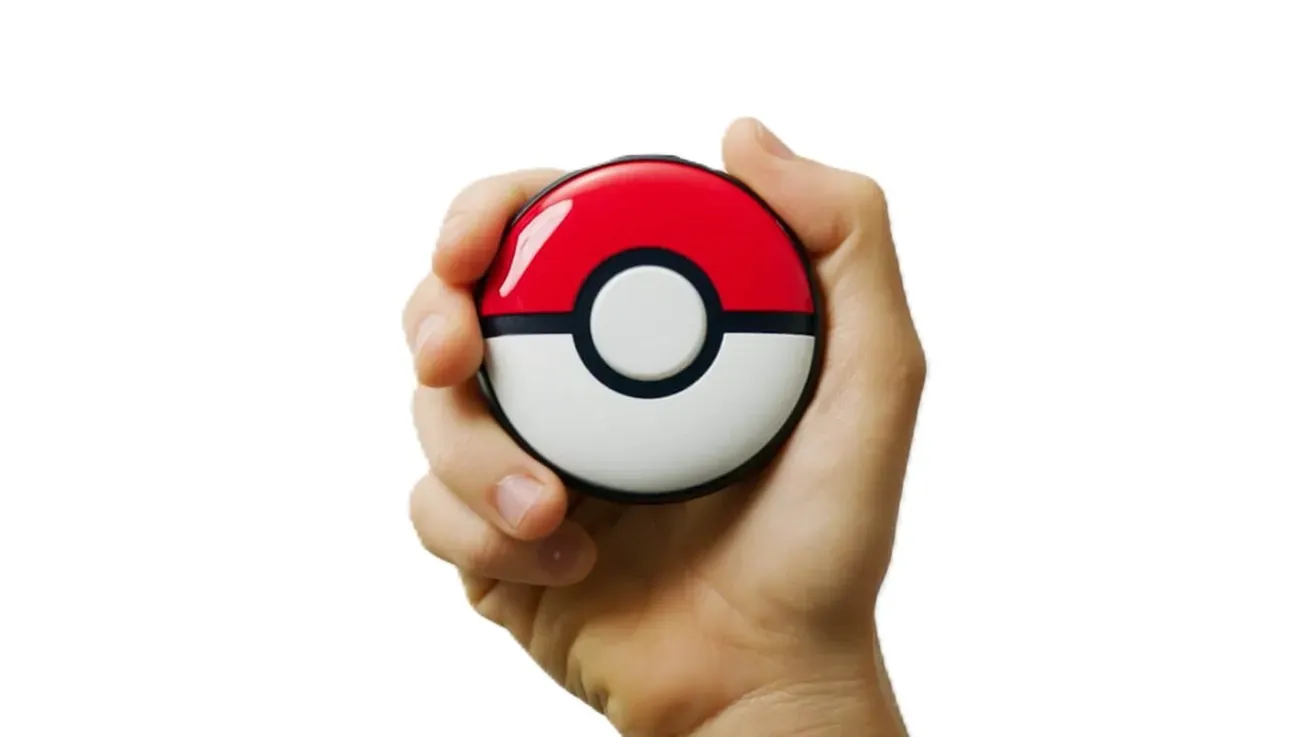
Niantic’s Pokémon Go is testing a new in-game item called the “Explorer Gadget” that can automatically throw Pokéballs and spin PokéStops while the app is closed. For decision-makers, it signals the game is inching toward software-based automation, potentially changing how players engage and what monetization models look like.
Pokémon Go has begun testing a virtual item called the “Explorer Gadget,” and it does the one thing players used to pay for in a physical accessory: it plays while you are not playing. The in-game description says the gadget “automatically throw[s] PokéBalls and spin[s] PokéStops when Pokémon Go is closed,” and you can use it “once daily.” In other words, Niantic is moving a slice of real-world engagement from a wearable device into the game itself, but with limits.
The limits are the part that matters. Reports from some regions say that once the Explorer Gadget option appears, it comes with caps on how much it can do in a day. Players have reported maximum numbers of Pokémon caught and Stops spun that vary widely, with some reporting as low as 10 each and others as high as 70, with various values in between. That is a big swing for a feature that is supposed to feel like convenience. It also means the rollout is not uniform, and the gadget has been tuned differently for different players.
This feature is essentially a software version of abilities previously locked behind a Go Plus device, which retail for upwards of $50, though cheaper third-party alternatives are available. The Explorer Gadget is not just a new cosmetic or a small tweak. It is a direct attempt to replicate a category of “play in the background” behavior, which is a powerful engagement lever. It also answers a question fans have been asking for months, because the item had been datamined previously. According to the source, players in some regions reported seeing the previously-datamined Explorer Gadget go live overnight, though only a portion of players currently appears to have access.
Even if the feature is capped, it changes the cadence of gameplay. When the app is closed, the gadget will throw Pokéballs and spin PokéStops. That suggests a second-order effect: it turns offline time into active collection time. Players may be more likely to feel that they are “missing out” if they do not check in, because the gadget is designed to accumulate results during periods when a user would otherwise not be playing. The source notes a common fan expectation that the gadget will act like a bonus layered on top of the existing experience. Instead of replacing the game loop, it adds a small, daily reason to return, review what was acquired, and keep momentum going.
A second-order implication for Niantic is monetization signaling, even if this version does not look like a paid upsell. Many fans had assumed the Explorer Gadget would be a paid-for feature. At the time of writing, Niantic is yet to acknowledge the feature exists or is now accessible to a subset of players, and it currently does not seem to be charging players for it. But because the feature is capped with variable daily limits, it is not hard to imagine the shape of a future premium tier. For executives, that is a key tell: when a product has usage limits, it can be adjusted, expanded, or segmented. The gadget description indicates “once daily” usage, and the reported range in maximum catches and spun Stops shows there is already a dial being turned.
There is also a regulatory and platform-risk angle, even if the source does not frame it that way. Background automation in games that rely on real-world movement has historically lived in a gray zone: what counts as acceptable assistance versus prohibited automation, and how the company ensures fairness. The Explorer Gadget only assists gameplay when the app is closed, which is a constrained boundary compared with full automation while the app is open. By anchoring the feature to an in-game item with daily usage and caps, Niantic can more clearly define the intended behavior. That matters because any game operating at scale needs predictable policy decisions, especially when third-party devices and workarounds already exist.
Strategically, this rollout puts pressure on the surrounding ecosystem. The Go Plus reference point is not just trivia: a wearable device category exists, with official pricing “upwards of $50” and competing third-party alternatives. If Niantic makes the core benefits available inside the app, demand patterns for the physical accessory could shift. Even if the Explorer Gadget remains free and limited, it establishes software competition for hardware convenience. Meanwhile, player sentiment described in the source is mostly positive, with fans viewing it as a supplemental mechanic rather than a replacement. Positive reception reduces backlash risk for Niantic, but the variability in daily caps suggests internal experimentation is already underway.
For peers in mobile gaming, augmented reality, and live-service platforms, the takeaway is straightforward. Pokémon Go is testing a “background play” feature that mirrors a paid accessory experience, but it is doing it through an in-game gadget with daily limits and region and player segmentation. That is the kind of incremental change that can move retention metrics, user return patterns, and even accessory attachment rates. If Niantic expands access, adjusts caps, or eventually offers premium versions with higher limits, it will not just be a new item. It will be a new engagement model built on the premise that a player should keep collecting even when they are offline.
This story's Key Insights and Take-aways are locked.
Create a free account to unlock Executive Actions for one credit.
Register to UnlockAlways free for Executives Club members. Join the Club
More in Technology

OpenAI says 10,000 agents cracked a 90-year math problem in 88 hours
The company's claim is audacious, but one mathematician is pushing back. Here's what it means for AI-driven discovery.
Meta still serves child sexual abuse ads on Instagram in India - BBC report
A new report following the BBC Eye investigation says the ads are still there - what it signals for every platform with a self-serve ad engine.

White House yanks 'Build the Wall' game after Tetris Company copyright warning
The administration's arcade game vanished in hours - and the takedown playbook every brand can learn from.