
Polymarket traders price SpaceX at $2T+ on debut, targeting a six-company club
A debut market-cap prediction implies SpaceX joins only six companies above $2 trillion, changing how capital thinks about space.
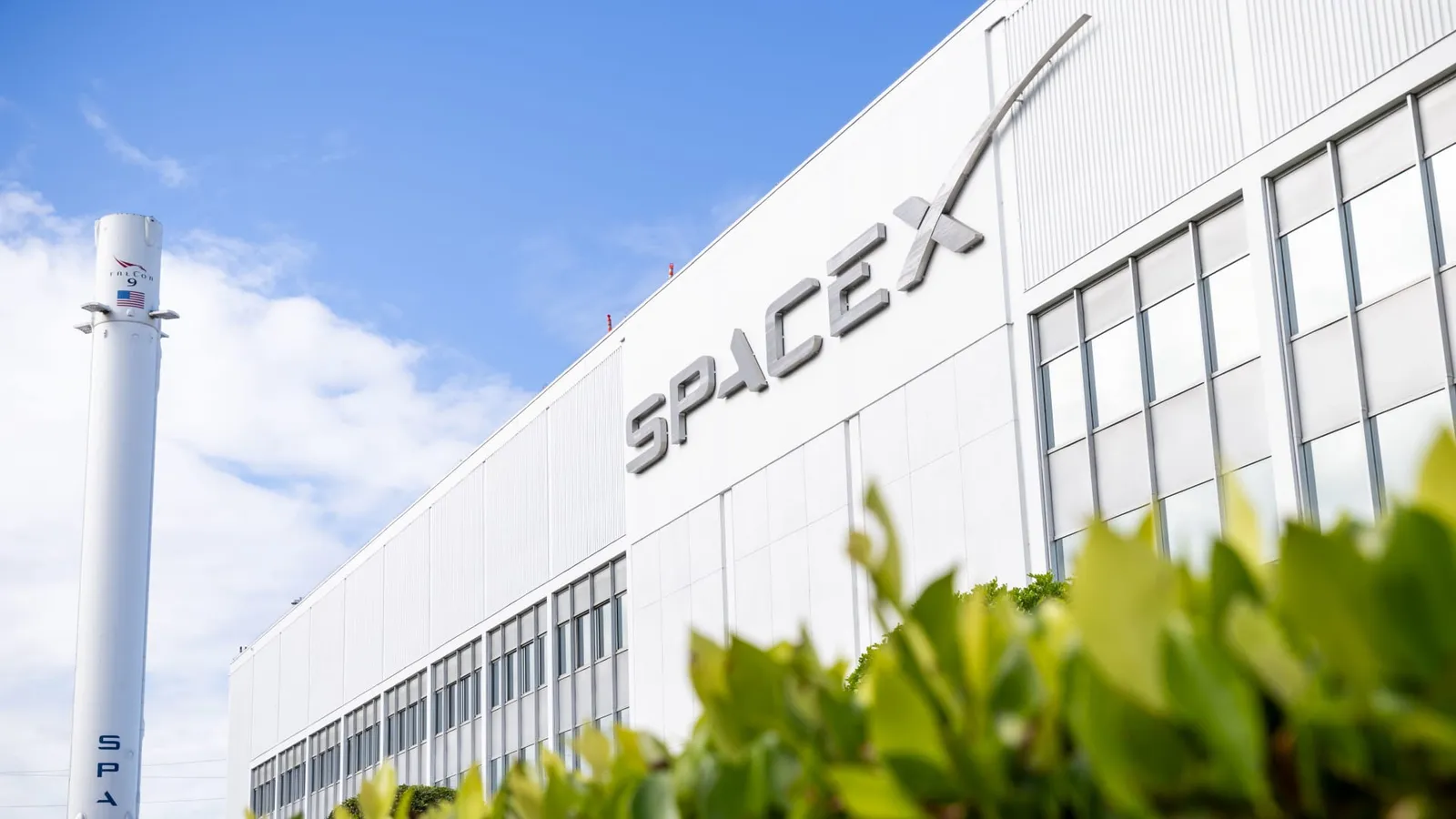
Polymarket traders predict SpaceX will close above a $2 trillion market cap on its debut. If right, it would place SpaceX in the tiny group of just six companies already valued beyond $2 trillion.
SpaceX is the newest gravitational field for markets, according to Polymarket traders. They think SpaceX will close above $2 trillion on its debut, a valuation threshold that would put it in a group of just six companies that already boast market values beyond $2 trillion.
That $2 trillion number is doing a lot of work here. In plain terms, the traders are not just betting that SpaceX will be “big.” They are wagering that the market will treat SpaceX like an entrenched megacap platform rather than a niche industrial bet. And the “debut” framing matters because initial pricing and the first close can set the tone for everything that follows: investor expectations, media narratives, and how fast capital rotates into the next “obvious” comp set.
To understand why this is getting trader attention on a prediction market, it helps to remember how these markets function. Polymarket is built around forecasts, not fundamentals in the traditional sense. Traders place prices on outcomes, and those prices reflect the combined view of who thinks the event is more likely. In this case, the outcome is a specific market-cap level at a specific moment in time: closing above $2 trillion on debut. Even without a detailed fundamental breakdown in the source, the key is that the market is being asked to price a cliff, not a slope.
Second, the “six-company club” framing is the real psychological lever. Being the seventh member of a tiny set is qualitatively different from being “among the top ten.” Boards and executives tend to care about relative status because it influences capital allocation decisions, talent attraction, and partnership leverage. If SpaceX truly clears the $2 trillion bar on debut, it would signal that investors are comfortable treating space launch, satellite systems, and related services as a durable, scalable revenue engine, not a cyclical hardware business.
There is also a regulatory-adjacent angle, even though the source does not detail regulators. Space is one of those sectors where public markets and government oversight inevitably intersect. Launch licensing, spectrum access, safety standards, and procurement dynamics can shape timelines and risk profiles. Prediction markets usually move faster than formal narrative cycles because traders are pricing probabilities in real time. That means a market-cap prediction like this can leak into broader investor thinking quickly, even before regulators or lawmakers have time to fully anchor the story.
Now zoom out to the impact on decision-makers at other companies. When one high-profile private-to-public or first public-moment company is priced into megacap territory, it tends to reshuffle how investors group opportunities. Executives at adjacent firms, whether they are space infrastructure providers, defense suppliers, satellite operators, or even broader industrial-tech plays, may see a “compification” effect. In other words, the market starts using the headline winner as a reference point for what “should” be valued similarly, which can compress or expand multiples across the sector depending on how closely business models align.
The strategic stakes for boards are straightforward: if investors believe a space leader can cross $2 trillion quickly, the bar for perceived scale, execution, and pathway to durable margins rises for everyone watching. Compensation discussions, capital raise timing, and acquisition strategies can all get re-priced around that psychological benchmark. Meanwhile, management teams must be ready for a tighter scrutiny lens. Once markets treat you like a megacap, the expectation becomes not just growth, but growth that looks steady enough to justify trillion-dollar permanence.
So while the source is brief, the signal is not subtle. Polymarket traders are effectively saying that SpaceX’s debut market outcome could land it above $2 trillion, and that would place it among only six companies with market values beyond that level. For founders, executives, and investors tracking where capital is willing to anchor next, that is the kind of bet that can turn into a theme fast.
This story's Key Insights and Take-aways are locked.
Create a free account to unlock Executive Actions for one credit.
Register to UnlockAlways free for Executives Club members. Join the Club
More in Business
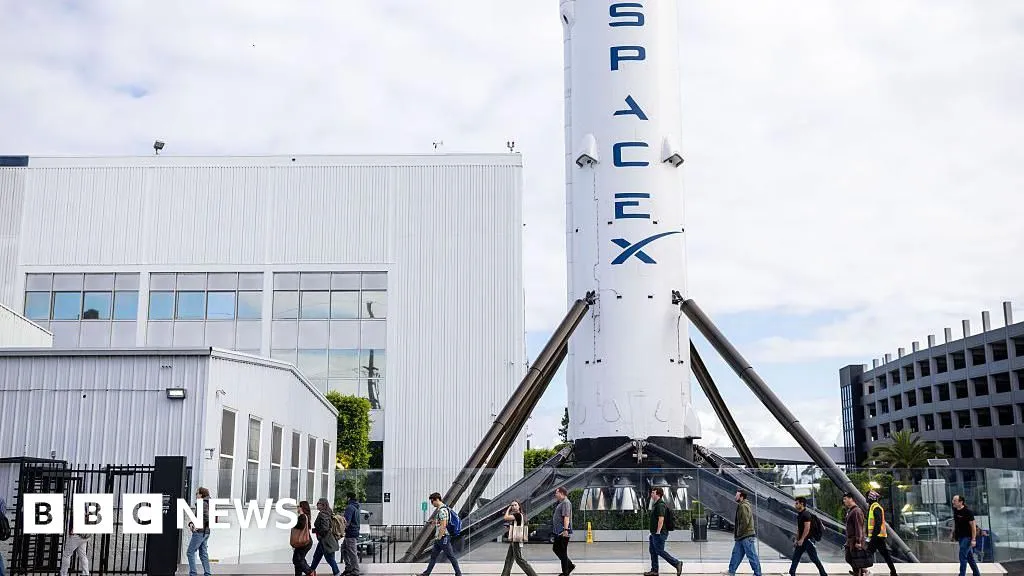
SpaceX raises $75bn in public sale, setting up Elon Musk’s record stock-market debut
A $75 billion public raise before a record listing turns SpaceX’s next chapter into a trillionaire test for markets.
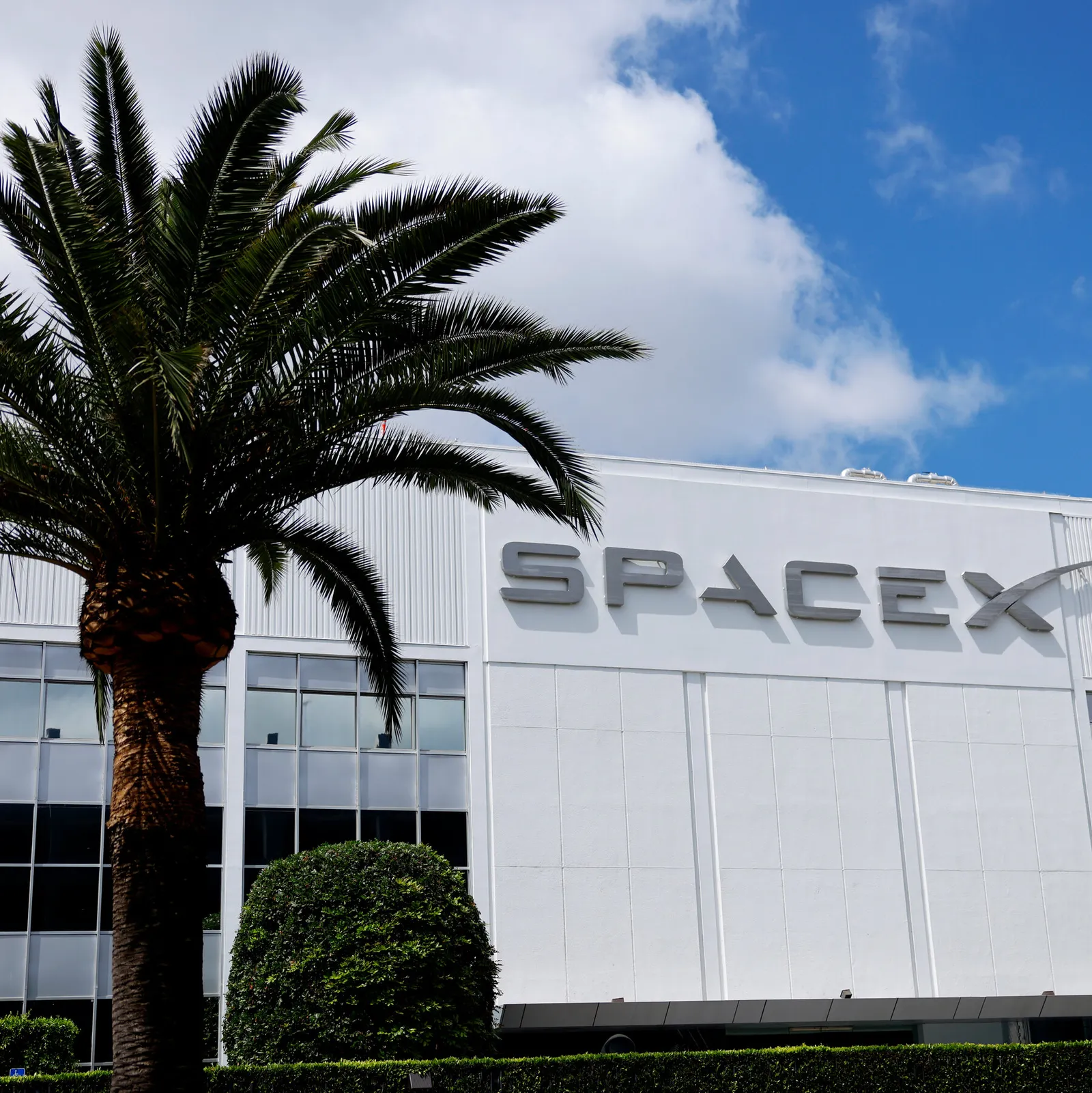
SpaceX sets IPO at $135, selling 555M+ shares and launching trading Friday
Elon Musk's rocket company prices its world-scale IPO at $135 per share, moving into public markets immediately.
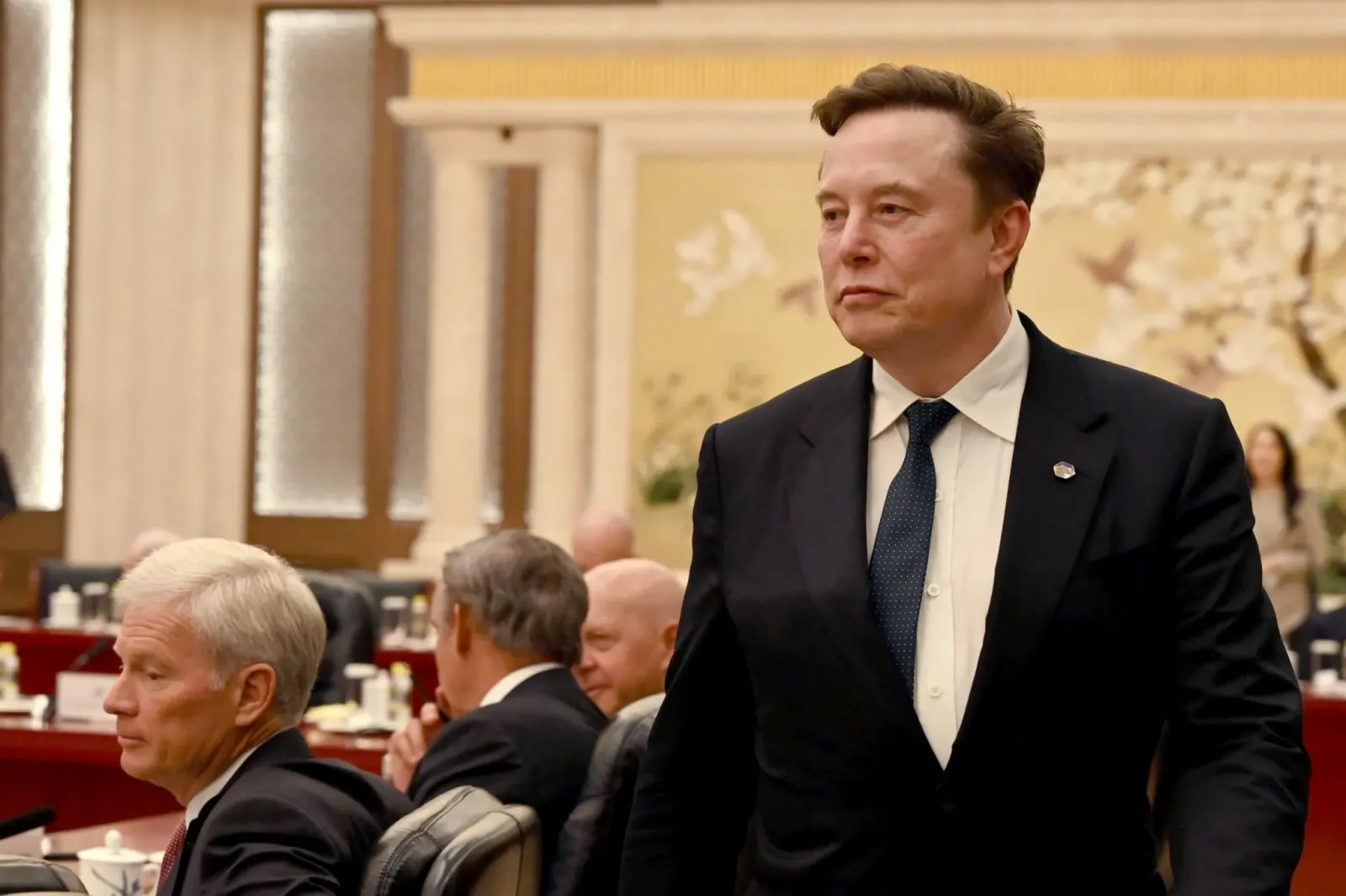
SpaceX IPO: Wedbush calls a Tesla merger “holy grail,” Morningstar pegs $63 fair value
Trading starts June 12 at $135, but analysts are split over a $72-per-share “option premium” on orbital AI dreams.