
Pope Leo XIV links Liberty Medal to America’s 250th during Friday acceptance speech
The National Constitution Center’s 2026 honor turns a birthday moment into a global liberty message leaders can’t ignore.
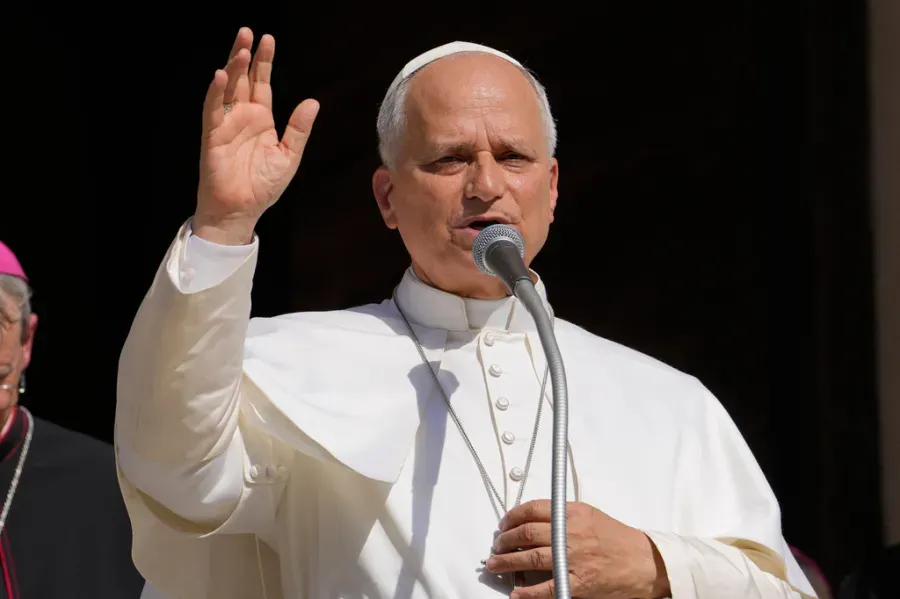
Pope Leo XIV used his Friday acceptance speech for the 2026 Liberty Medal award to celebrate America’s 250th birthday. The National Constitution Center grants the Liberty Medal to a person who “strive[s] to secure the blessings of liberty for people around the globe,” and the speech frames what that recognition is trying to amplify.
Pope Leo XIV celebrated America’s 250th birthday during his acceptance speech for the 2026 Liberty Medal award on Friday, using the occasion to connect the milestone to a broader, international message about liberty.
That matters because the Liberty Medal is not a generic ceremonial nod. The award, given by the National Constitution Center, honors one person who “strive[s] to secure the blessings of liberty for people around the globe,” according to the organization’s website. So when the Pope ties the celebration of America’s 250th to the acceptance itself, he is not just greeting a birthday. He is signaling that this recognition is meant to carry meaning beyond the United States, and that the audience for the message is global by design.
To understand why this is more than symbolism, it helps to know how honors like the Liberty Medal function in the modern attention economy. Institutions choose a single recipient, then build an entire narrative around their “why.” That narrative can influence how governments, civil society groups, and even business leaders interpret the theme of liberty in real-world terms, like civic rights, democratic stability, and the protection of individual freedoms. When a figure associated with a major global institution steps into that role, the event becomes a kind of diplomatic broadcast without requiring a treaty.
The National Constitution Center’s framing is doing the heavy lifting here. By defining the award recipient as someone who works to “secure the blessings of liberty for people around the globe,” the organization is setting a standard that is both moral and operational. It tells you what kind of contributions the Center wants to spotlight: not just advocacy in one country, but a throughline that suggests cross-border impact. That is the incentive structure behind the ceremony. The recipient gets a platform, the Center gets a story anchored in a specific mission, and the public gets a clear theme to interpret.
The speech’s timing on Friday also lands in a world where “liberty” is not an abstract concept for most decision-makers. Around election cycles, policy debates, and regulatory churn, organizations have to constantly interpret what liberty means in practice. Is it free speech? Due process? The ability to organize? The limits of state power? The scope of rights? Even when business executives do not attend the ceremony, they live in the environment shaped by how institutions and leaders talk about these ideas.
There is another second-order implication hiding in plain sight: awards can shape reputational risk and alignment. When a global religious leader accepts an award tied to a constitutional mission, the event invites audiences to map the leader’s institution to the principles the award claims to honor. For boards and executives, that creates a natural “context pressure” on stakeholder relationships. If you are a leader in any sector that depends on public trust, your stakeholders are watching not only what companies do, but what they signal when institutions they respect celebrate particular themes.
Now, none of this turns the ceremony into a regulatory event in the traditional sense. The Liberty Medal is not a financial regulator, and this story does not include any enforcement actions, legal filings, or policy changes. But it can still ripple into decision-making indirectly, because these moments influence the language people use when they justify policy positions, campaign priorities, and institutional choices. In a crowded information environment, narratives like “liberty for people around the globe” can function like a shared framework that later speakers borrow from.
So the strategic stakes for peers in similar roles are about clarity and alignment. If your organization operates in multiple jurisdictions, or if your leadership team works closely with public institutions, you need to recognize what these high-profile events are trying to set in motion: a shared understanding of liberty that transcends borders. Pope Leo XIV celebrated America’s 250th during his acceptance speech, but the reason it lands is the award’s global mission. The message is intended to travel.
This story's Key Insights and Take-aways are locked.
Create a free account to unlock Executive Actions for one credit.
Register to UnlockAlways free for Executives Club members. Join the Club
More in Politics

Glacial collapse, not rain, killed 180 in Nepal's Himalayan flood
The Himalaya's extreme geography hid the true cause of Nepal's catastrophic flood, a glacial collapse that turned a geological battleground into a mass-casualty zone.

Iran’s Esmail Baghaei says Oman talks start shipping via Hormuz, not US talks yet
Temporary route plans with Oman aim to restart commerce while Tehran says Washington dialogue is not on the table.

Standards watchdog opens probe into Reform UK deputy leader Richard Tice over interests
The parliamentary standards commissioner says it began an investigation on 28 July into a possible undeclared interest.