
Princess Catherine Puts Life After Cancer on Camera, and Finishes a Major Fundraising Challenge
The documentary pairs a personal recovery story with a completed fundraising push, a template any high-profile figure or brand can copy, and one that carries real reputational risk.
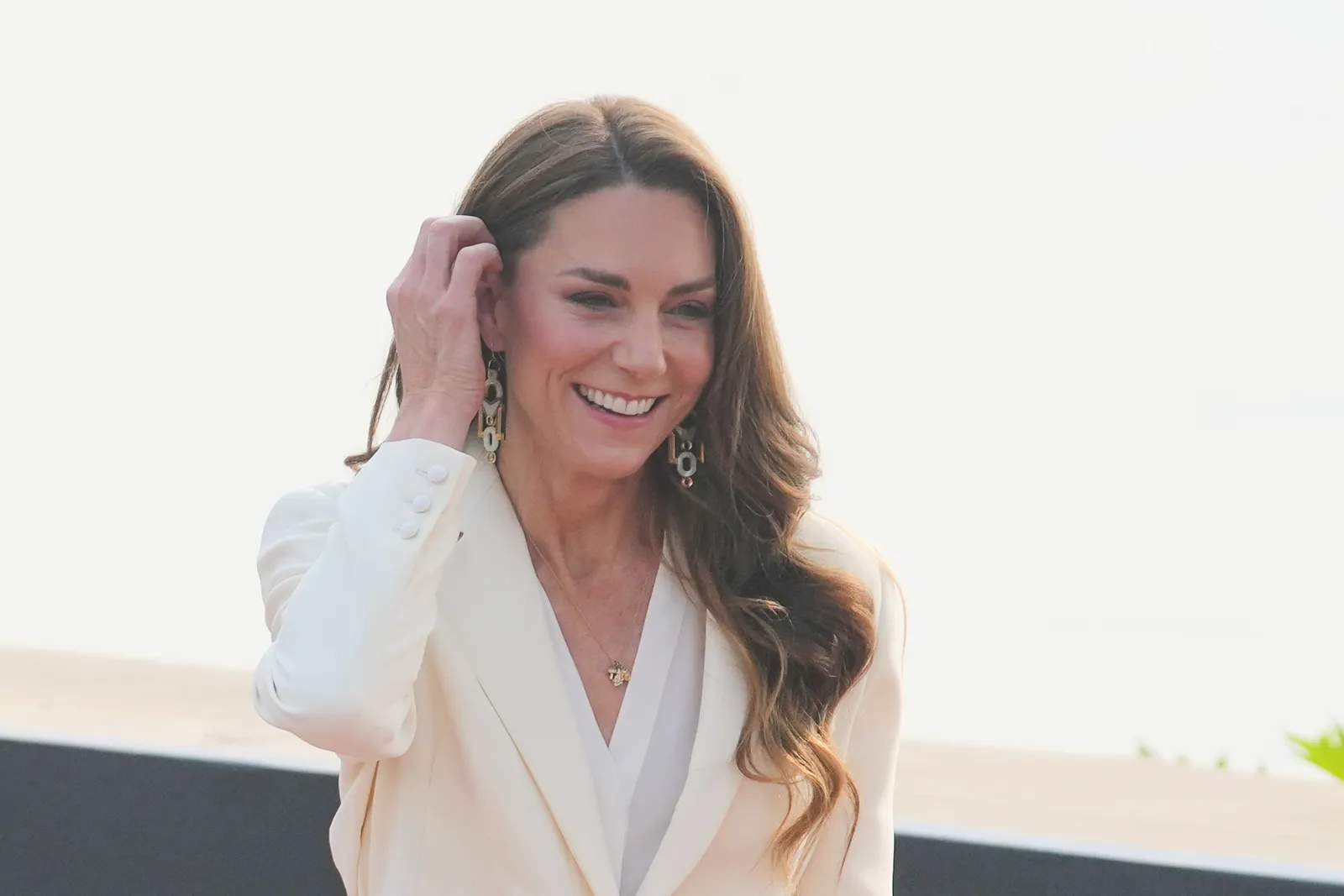
Britain's Princess Catherine is discussing her journey after a cancer diagnosis in a new documentary, which also highlights her completing a significant fundraising challenge. For leaders and boards, the film is a case study in converting a private health event into controlled narrative plus measurable charitable output, a playbook that now shapes how institutions handle disclosure, attention, and donor dollars.
Catherine, Britain's princess, is reflecting on life after a cancer diagnosis in a new documentary, and the film does more than sit her down in front of a camera. It also highlights her completing a significant fundraising challenge. That combination is the story worth your time. Most coverage will fixate on the diagnosis itself. The more interesting move is the architecture around it: a personal medical chapter, packaged with a measurable charitable result, delivered to a global audience on her own terms.
That pairing is not accidental, and it is not cosmetic. Health stories and fundraising appeals are usually separate products. A disclosure goes out through a press statement or an interview; the money gets raised later, by a charity, in a different room, with different people taking credit. Here the two are welded into one asset. The narrative supplies the emotion and the audience. The fundraising challenge supplies the proof point. Neither has to borrow credibility from the other, because each one carries it.
For context, public health researchers have long tracked how high-profile disclosures of illness shift public behavior, typically through sharp, short-lived spikes in screening appointments and in giving to the causes those figures attach themselves to. The mechanism is simple and well documented: a famous face makes an abstract risk feel immediate for people who had been ignoring it. That is why hospitals, research funders, and advocacy groups compete so hard for a single named ambassador. A recognizable person does in a week what a public information campaign may struggle to do in a year.
The fundraising half of the film is the harder half, and it deserves more scrutiny than it usually gets. A challenge tied to one named individual tends to concentrate donor attention rather than spread it. Corporate sponsors, philanthropists, and ordinary givers all respond to the same signal, which means the cause attached to that person can surge while smaller organizations chasing the same wallets stall. It also creates a dependency problem. When the spotlight is a person, the pipeline is a person, and pipelines that depend on one individual are fragile by design.
Then there is the documentary format itself. Streaming platforms have spent years buying access, and intimate films about public figures remain one of the few genres where a subject can control the arc while still reaching a mass audience. For a royal household, an institution that has historically managed its image through tightly rationed appearances and press releases, a documentary is a significant strategic shift. It trades distance for intimacy, and it accepts that the trade is permanent. Once a film exists, it is the record, not one version of it.
For executives and boards, the useful lesson sits in the sequencing. A health event that becomes public in an uncontrolled way is a reputational shock: the timing belongs to someone else, the framing belongs to someone else, and the questions arrive faster than the answers. A health event that a leader chooses to narrate is a different animal. It sets boundaries, it decides what is on and off limits, and it can attach the announcement to something constructive. That is the real reason a documentary beats a statement: it answers the follow-up question before it is asked.
There are risks, and they are not small. Turning a recovery into a product invites the accusation that the recovery is being monetized, even when the money flows to charity. Audiences are quick to detect a narrative that exists to be consumed rather than shared, and a subject who appears on a content treadmill can lose the sympathy that made the first film land. Privacy is the other exposure. Intimacy that is granted once is very hard to claw back, and family members who did not choose the camera are still in the frame.
What to watch next is not the reviews. It is whether the fundraising result becomes a repeatable model, whether other public figures and institutions copy the format, and whether the cause keeps its momentum once the cameras stop. Catherine has already delivered the two things that are hardest to manufacture: a true story and a completed challenge. The question every well-known person, brand, and foundation now has to answer is whether they can do the same without the machinery showing.
This story's Key Insights and Take-aways are locked.
Create a free account to unlock Executive Actions for one credit.
Register to UnlockAlways free for Executives Club members. Join the Club
More in Business
Anthropic's record IPO lands a day before Nvidia's longest losing streak since 2008
Anthropic's record Nasdaq debut and Nvidia's longest weekly losing streak since 2008 landed within 24 hours of each other, and the contrast shows how fast the market is re-pricing the AI trade.

New World's HK$24.9B rights issue triggers 41% plunge as HK$50B debt target looms
New World Development has three levers left to erase up to HK$50 billion in borrowings by 2031, and shareholders just told the market what they think of the first one.

Chip supply chain warns new US export controls will spread beyond the target list
Suppliers, distributors and equipment makers say the latest US restrictions will not stay contained to the firms named on paper, putting orders, inventory and delivery timelines at risk across the global chip chain.