
Quavo case dropped after Daniel Arsham agrees to permanent dismissal of Ferrari sculpture lawsuit
A June 15 court filing ends Arsham v. Quavo, removing the early-stage copyright threat over a 2024 “Trappa Rappa” promo.

Artist Daniel Arsham and Quavo (Quavious Marshall) agreed to the permanent dismissal of Arsham's copyright lawsuit. For decision-makers, the case highlights how quickly social-media promos can turn into licensing disputes that pull labels, lawyers, and budgets into court.
Quavo is no longer facing a copyright lawsuit over a Ferrari sculpture featured in a 2024 Instagram and TikTok promo. A Monday, June 15 court filing, first obtained and reported by Billboard, states that artist Daniel Arsham and Quavo have agreed to the permanent dismissal of the case.
The filing also makes one thing clear: the dispute ends before any judge weighed in on whether Arsham was right. The notice does not state whether Quavo is paying a settlement to end the lawsuit, and Arsham's attorney declined to comment while a rep for Quavo did not return a request for comment. In other words, the legal risk is gone, but the exact commercial terms remain undisclosed.
So what was the fight about in the first place? Arsham, a New York-based artist, created the sculpture “Quartz Eroded 1961 Ferrari GT” in 2018 as part of a series portraying classic cars in an “eroded” or decaying state. Last year, he sued the former Migos rapper for allegedly featuring that piece in a 45-second promo video and a related photo carousel posted to TikTok and Instagram in December 2024.
In the promo, Quavo rapped a portion of his then-unreleased song “Trappa Rappa” in front of the Ferrari sculpture. The song later dropped as a single in February 2025, but Billboard reports that Arsham's sculpture was not present in any of the official visuals. That timeline matters because it shows the core claim was about the specific social-media promotional use, not the later official release.
Arsham's complaint was essentially a licensing market argument. He alleged Quavo should have gotten his permission and paid a license to feature the sculpture in social media promos. In the lawsuit, Arsham said the alleged unauthorized use “interferes with and diminishes the value of plaintiff’s licensing market and his ability to control the manner in which his work is presented to the public.” Translation: the value, in his view, is not just whether the sculpture is “copied,” but whether creators can control and monetize how their work appears in public-facing promotional materials.
At the same time, Quavo's side previewed a defense in court papers filed last month. In those papers, Quavo's lawyer wrote they planned to “establish that plaintiff’s claims lack a factual basis on multiple grounds.” One ground was the “absence of substantial similarity of protectible expression between the video and the photos, on the one hand, and the sculpture, on the other.” Another was authorization: the lawyer wrote that the video and photos were authorized by plaintiff’s legal agent.
That dual structure is worth noting for executives, because it reflects how these cases often get fought. Plaintiffs may argue that permission and licensing are required simply because a work appears in promotional content. Defendants often respond on two fronts: first, challenge the legal comparison of what was used versus what is protected; second, argue that someone with authority already granted permission. Here, both paths were explicitly laid out in filings before the case was dismissed.
There is also a business dimension to the case as it unfolded. Arsham's lawsuit originally targeted Quavo's label, Quality Control Music, and its parent company HYBE. Billboard reports that both companies were dropped as defendants a few months into the case. That detail is a reminder that copyright claims connected to marketing and content can expand beyond the artist, dragging corporate entities into the legal orbit even when the underlying dispute is about a specific creative moment.
For the rest of the industry, the most important takeaway is not that social media is safe. It is that social promos are where licensing risk becomes highly visible, because content travels fast and is repeatedly repurposed across platforms. A 45-second clip and a photo carousel posted to TikTok and Instagram may sound like everyday marketing, but the underlying question is whether creators of visual works have the right to monetize, control, or object to that usage.
Now that the matter is permanently dismissed, the immediate litigation pressure is off Quavo and Arsham. But the broader lesson remains: when a promo video uses a third-party artwork, the legal and reputational homework needs to happen early, before the release strategy is locked. For founders, label leaders, and investors watching how content gets produced, distributed, and scaled, this case is a clean reminder that copyright disputes can start small, involve multiple stakeholders, and disappear only when the parties agree on dismissal terms that, in this instance, were not publicly explained.
This story's Key Insights and Take-aways are locked.
Create a free account to unlock Executive Actions for one credit.
Register to UnlockAlways free for Executives Club members. Join the Club
More in Business

Gina Rinehart backs SpaceX with a $1B+ stake after its $2.5T debut valuation
The Aussie mining billionaire just put Hancock Prospecting behind Musk's rocket-and-satellite combo, and markets noticed.
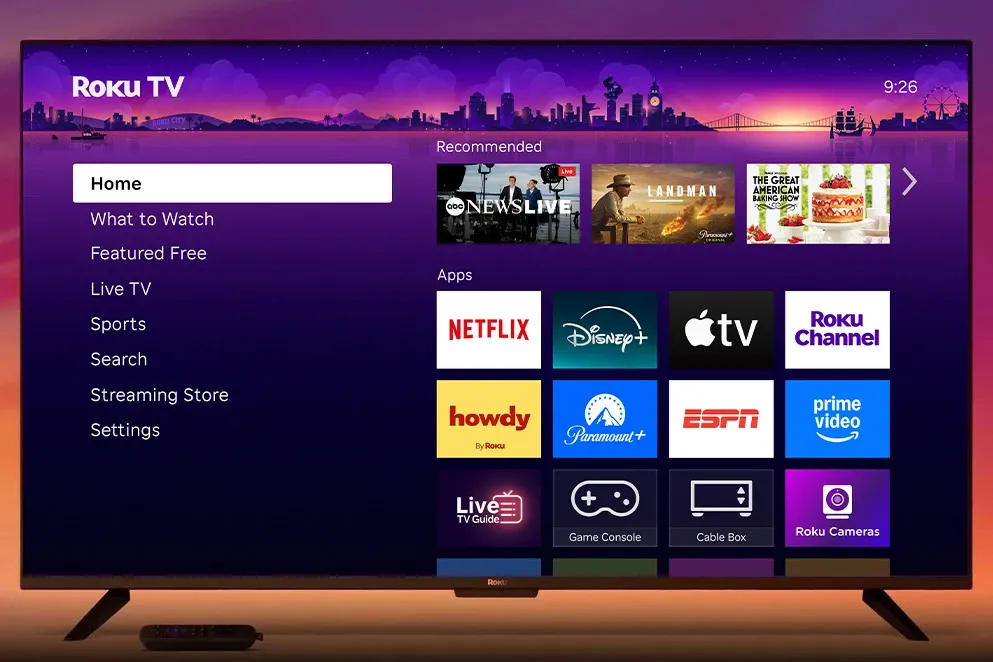
Fox agrees to buy Roku for $22B, paying $160.00 per share
What looks like a simple streaming bet is actually a $22 billion corporate reshuffle with board and regulatory gravity.
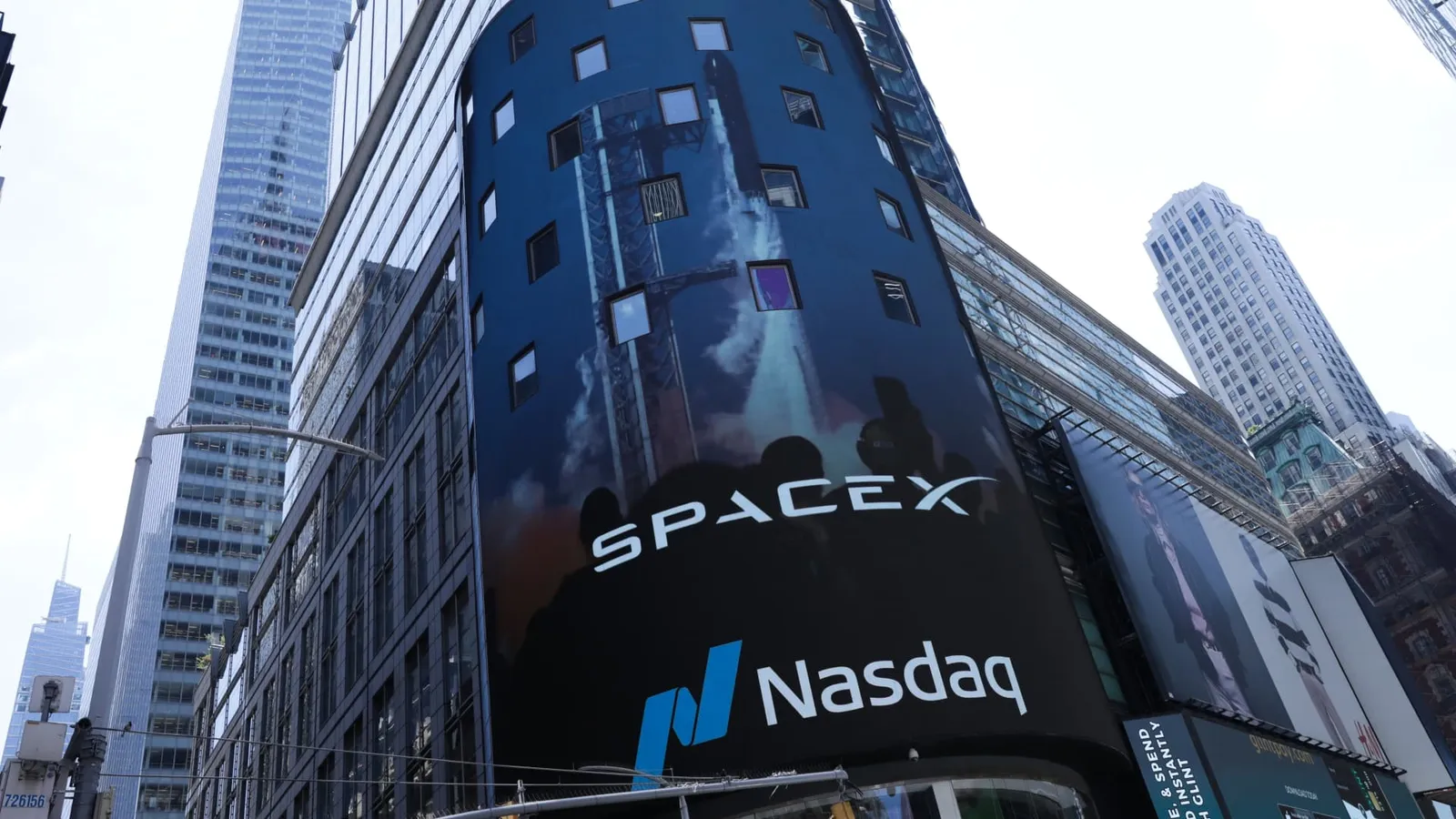
SpaceX jumps 6% in premarket, valuing the company at $2 trillion+ after its debut
The stock’s first-day surge pushes SpaceX past $2 trillion, reshaping how investors and regulators think about private space risk.