
REPAIR Act targets automaker “gateways” that keep independents from fixing modern cars
A bipartisan bill would force automakers to share repair-critical data, tools, and procedures with independent shops.
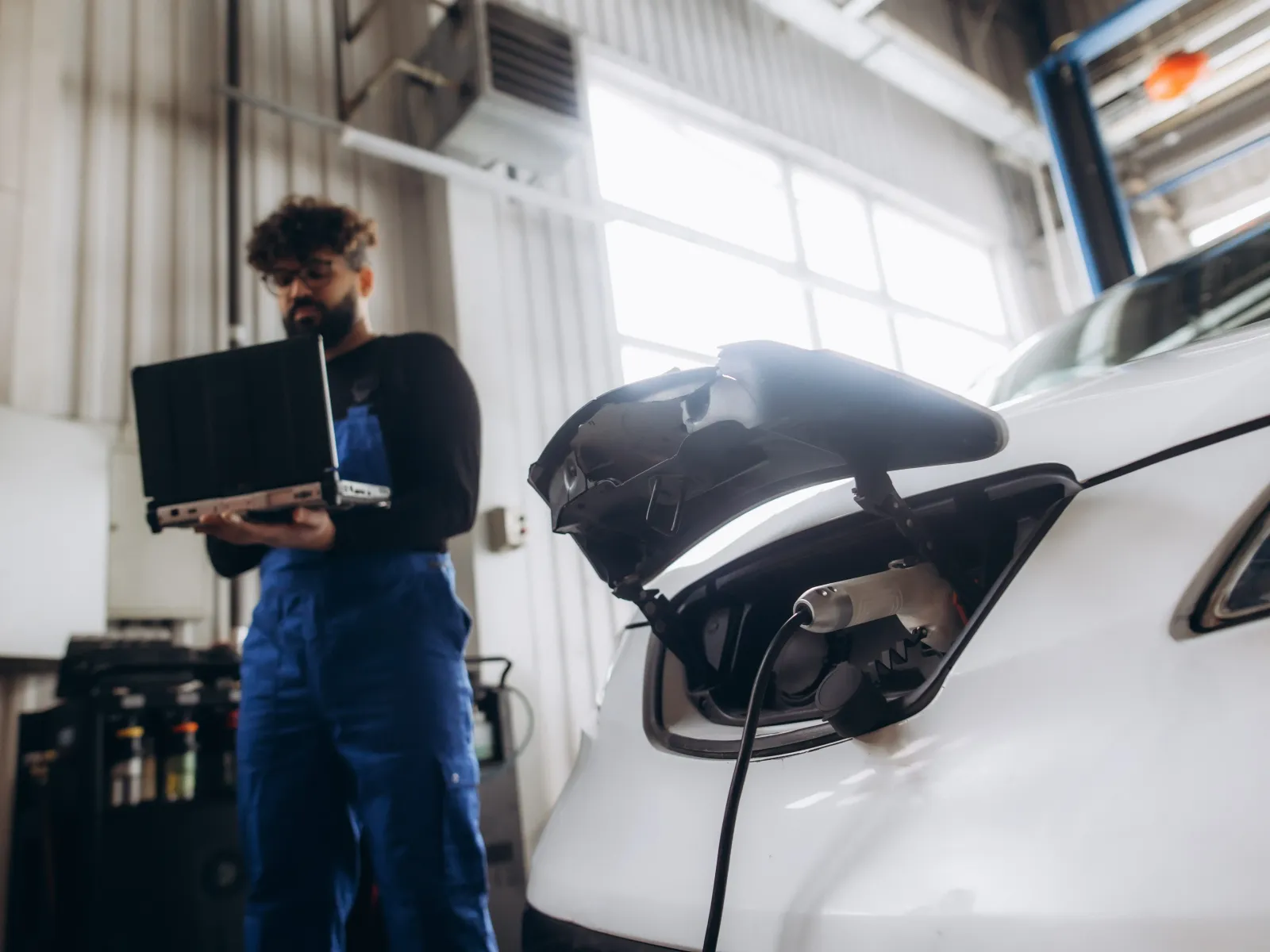
The Auto Care Association, led by Bill Hanvey, is backing the bipartisan REPAIR Act, also known as the Right to Equitable and Professional Auto Industry Repair Act, to address roadblocks independent repair shops say automakers built into modern vehicles. If passed, it would create a nationwide right-to-repair standard that changes who gets access to the software and diagnostics needed to actually finish repairs.
Modern cars are increasingly harder to fix in the place most drivers think they should: an independent shop. The reason is not a lack of skill or a lack of equipment. Independent repair shops say automakers have installed company-specific “gateways” that make it difficult or impossible to access the data and software required for certain repairs, effectively pushing some customers back to dealerships.
That is why the REPAIR Act (the Right to Equitable and Professional Auto Industry Repair Act) is on the table. Backers say the bill would require car companies to share necessary data, repair information, and tools with independent repair shops and car owners so they can diagnose and fix cars that now behave like computers on wheels. According to the Auto Care Association, the gap is material: Hanvey says consumers can end up paying more, and the average cost at dealerships can be 36% higher than at independent shops for some repairs.
To understand how we got here, you have to think past the hood. As vehicles have added software, sensors, and advanced driver-assistance systems (ADAS), repairs increasingly depend on digital diagnostics and manufacturer-specific repair procedures. Backers argue that independent shops may be able to replace a part, but they still need OEM-specific software and data to complete the job. And Hanvey points to a particular mechanism: gateways that bar access to what independent mechanics need.
This shift also changes the economics of maintenance, not just the workflow. Hanvey said independent shops have already spent “tens of thousands of dollars” on tools specific to each automaker, only to hit a second barrier: access to the data through those gateways. One example Hanvey highlighted is battery replacement. Replacing a battery, he said, is no longer simply buying and installing the part. The vehicle’s computer also needs to be updated or programmed to recognize the new battery, which, in practice, would require sending the car to a dealership.
Meanwhile, the repair bill itself is trending upward as car technology complicates calibration and post-repair verification. A 2026 report from CCC Intelligent Solutions, a software and data provider for auto insurance firms, estimated that the average total cost of repair for vehicles six years old or newer was more than 50% higher than for older cars. The report also put average fees for ADAS calibrations at around $486. And it is not just collisions that trigger this kind of work. The source notes that modern cars have sensors that need calibration after a collision, meaning software and calibration are woven into ordinary repair timelines.
Independent shops are already adapting to that reality. Nikhil Naikal, CEO of Kinetic, a California-based repair shop specializing in sensor calibration, told Business Insider earlier this year that the industry has outgrown basic oil-change style service. “It’s going to be more than just Jiffy Lubes and Valvolines,” he said. He argued that the work requires a new repair infrastructure that can diagnose and understand what is wrong with increasingly sensor-driven vehicles.
But even with technical capability, roadblocks can stretch timelines and drive cars back to dealers. In an ACA survey of about 700 independent repair shops, Hanvey said about half reported sending three to five vehicles back to dealerships each month after spending an average of four labor hours trying to diagnose them. That is a direct operational hit: labor time that does not resolve the diagnosis becomes an extra cost, and the customer becomes the payer of the delay.
The political push around right-to-repair is not limited to this bill. The source says the issue has recently received attention from President Donald Trump. After a meeting with auto industry executives on June 4, Trump said it was “strange” for the leaders to propose barring people from fixing their own cars. A White House spokesperson did not respond to a request for comment. Still, automakers and dealers opposed to broad right-to-repair proposals have argued that more access to vehicle data and software could raise safety, privacy, cybersecurity, and intellectual property concerns.
Supporters of the REPAIR Act say the measure is designed to address at least some of those concerns via a “parity model.” The concept is straightforward in premise: whatever manufacturers provide their dealers should also be available to independent repairers. In other words, the aim is not to hand over a free-for-all toolkit to every random actor, but to remove what supporters characterize as unfair constraints created by OEM-installed gateways.
The bill is not law yet, so the strategic stakes for decision-makers are partly about timing and leverage. The legislation was voted on by voice in February to be sent to the full House Energy and Commerce Committee. It would still need approval from the committee, the House, the Senate, and Trump before it is enacted. For boards, executives, and investors watching the after-sales ecosystem, the second-order implication is clear: repair access is becoming a battleground where software and data policy can redirect flows of customers, revenue, and operating margins across the dealership and independent networks. And for any company tied to the vehicle repair value chain, the direction of right-to-repair regulation could reshape the competitive map faster than many leaders expect.
This story's Key Insights and Take-aways are locked.
Create a free account to unlock Executive Actions for one credit.
Register to UnlockAlways free for Executives Club members. Join the Club
More in Business
SpaceX raises $75bn in public sale, setting up Elon Musk’s record stock-market debut
A $75 billion public raise before a record listing turns SpaceX’s next chapter into a trillionaire test for markets.
SpaceX sets IPO at $135, selling 555M+ shares and launching trading Friday
Elon Musk's rocket company prices its world-scale IPO at $135 per share, moving into public markets immediately.

SpaceX prices IPO at $135 per share, starting the biggest listing ever
SpaceX moves from rumor to price point: $135 per share signals a new bar for private-market exits and public-market gravity.