
Rivian’s RJ Scaringe promises supervised point-to-point self-driving on R2 later this year
He calls it “very similar to Tesla’s FSD” and lays out a three-stage autonomy roadmap at Masters of Scale.
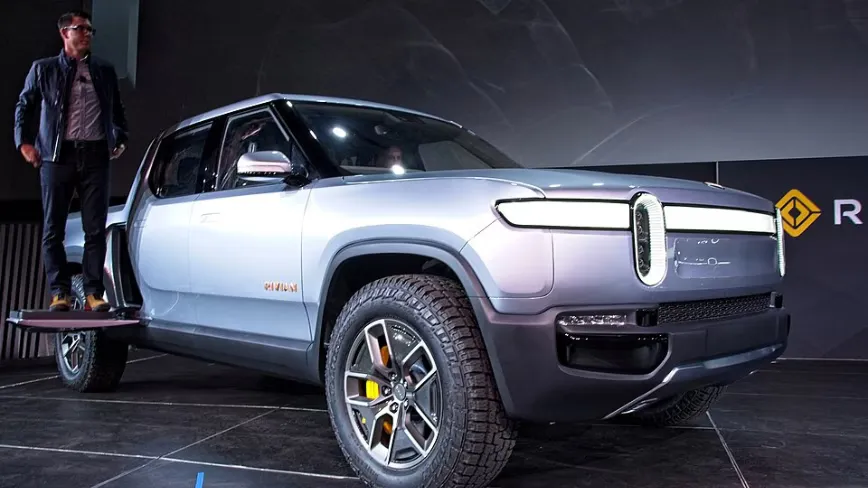
Rivian CEO RJ Scaringe said the company will ship supervised point-to-point self-driving on all of its second-generation vehicles and the R2 later this year. The move positions Rivian’s autonomy timeline directly against Tesla’s FSD in front of investors and operators paying close attention to autonomy execution.
Rivian CEO RJ Scaringe told a crowd at the Masters of Scale event in Anaheim on Thursday that the company will ship supervised point-to-point self-driving on all of its second-generation vehicles and the R2 later this year. And he did not bury the comparison: Scaringe described the capability as “very similar to Tesla’s FSD.”
That’s the headline-stopper: a major automaker is publicly attaching a near-term delivery date to supervised self-driving across its next wave of hardware, while explicitly benchmarking against Tesla’s most talked-about driver-assistance offering. For decision-makers, the real question becomes less “who has autonomy?” and more “who can actually operationalize it across models, timelines, and fleets.”
Scaringe also laid out a three-stage autonomy roadmap, describing a progression that starts with supervised point-to-point driving and then moves toward more advanced capabilities. Even without the full technical specifics in the excerpt, the structure matters. A staged plan signals that Rivian views autonomy as an engineering pipeline with measurable milestones, not a one-shot feature drop. In the auto world, that distinction matters because perception and planning systems have to survive real roads, weather, edge cases, and continuous updates, all while companies keep selling cars and managing warranty and safety expectations.
The words “supervised” and “point-to-point” are the guardrails. Supervised typically implies a human driver remains responsible and ready to take over. Point-to-point suggests defined routes or conditions where the system behaves reliably, rather than unrestricted “anywhere, anytime” driving. Those constraints are not just technical. They also influence regulatory framing and product liability risk. Autonomy products live in a world where regulators and courts tend to scrutinize what a system is allowed to do, what drivers are told it can do, and how the company validates performance.
Which brings us to the interesting part: Scaringe’s direct comparison to Tesla’s FSD. Tesla’s FSD is widely recognized as a benchmark in consumer minds and a reference point in boardrooms, even among executives who never buy Tesla products. When Rivian CEO says its capability is “very similar to Tesla’s FSD,” he is effectively telling customers, competitors, and partners that Rivian’s roadmap is aiming at the same broad category and promise level. That can raise expectations quickly. It also increases the pressure to deliver improvements consistently, because “similar” sets a bar, not a ceiling.
Why would Rivian make this kind of statement publicly at Masters of Scale? Events like that sit at the crossroads of capital markets, engineering credibility, and narrative. Investors want to know autonomy is more than a concept. Operators want to know timelines are real. And boards want clarity on execution risk, particularly when autonomy work is both capital intensive and dependent on software iteration.
The second-order implication for everyone watching is that autonomy timelines are becoming competitive messaging, not just internal roadmaps. If Rivian ships supervised point-to-point self-driving on second-generation vehicles and the R2 later this year, it compresses the window where rivals can argue they are “closer.” It also changes the conversation with regulators and testing partners, because deployment at scale forces a company to confront operational realities like fleet readiness, update cadence, monitoring, and how driver interactions affect system behavior.
For peers with autonomy ambitions, Scaringe’s remarks are a reminder that the hard part is scaling the capability across product lines, not proving it on a single demo. Rivian is using a staged roadmap and tying it to an imminent delivery moment. If it follows through, it can strengthen its negotiating position with suppliers and partners, and it can influence consumer perception of Rivian as a serious autonomy player. If it slips, the cost is reputational and strategic, because the comparison to Tesla’s FSD has already set the audience’s mental model.
Either way, the takeaway is clear: autonomy is shifting from lab progress to shipped capability, with public timelines that stakeholders can track. And when the CEO explicitly anchors his plan to Tesla’s FSD, he is not just talking about software. He is talking about competitive leverage this year.
This story's Key Insights and Take-aways are locked.
Create a free account to unlock Executive Actions for one credit.
Register to UnlockAlways free for Executives Club members. Join the Club
More in Business

Gina Rinehart backs SpaceX with a $1B+ stake after its $2.5T debut valuation
The Aussie mining billionaire just put Hancock Prospecting behind Musk's rocket-and-satellite combo, and markets noticed.
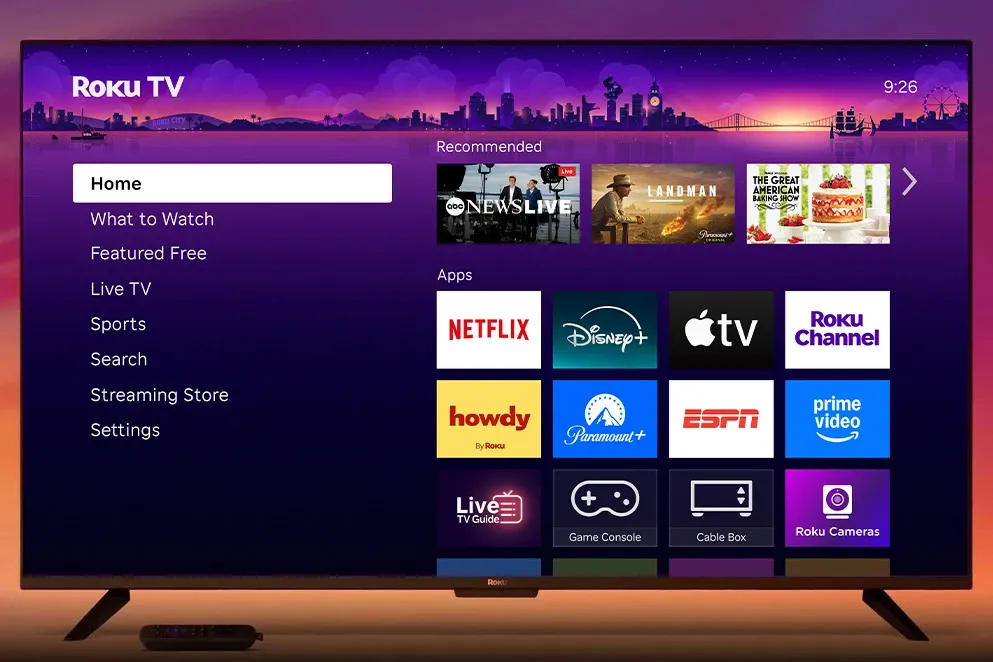
Fox agrees to buy Roku for $22B, paying $160.00 per share
What looks like a simple streaming bet is actually a $22 billion corporate reshuffle with board and regulatory gravity.
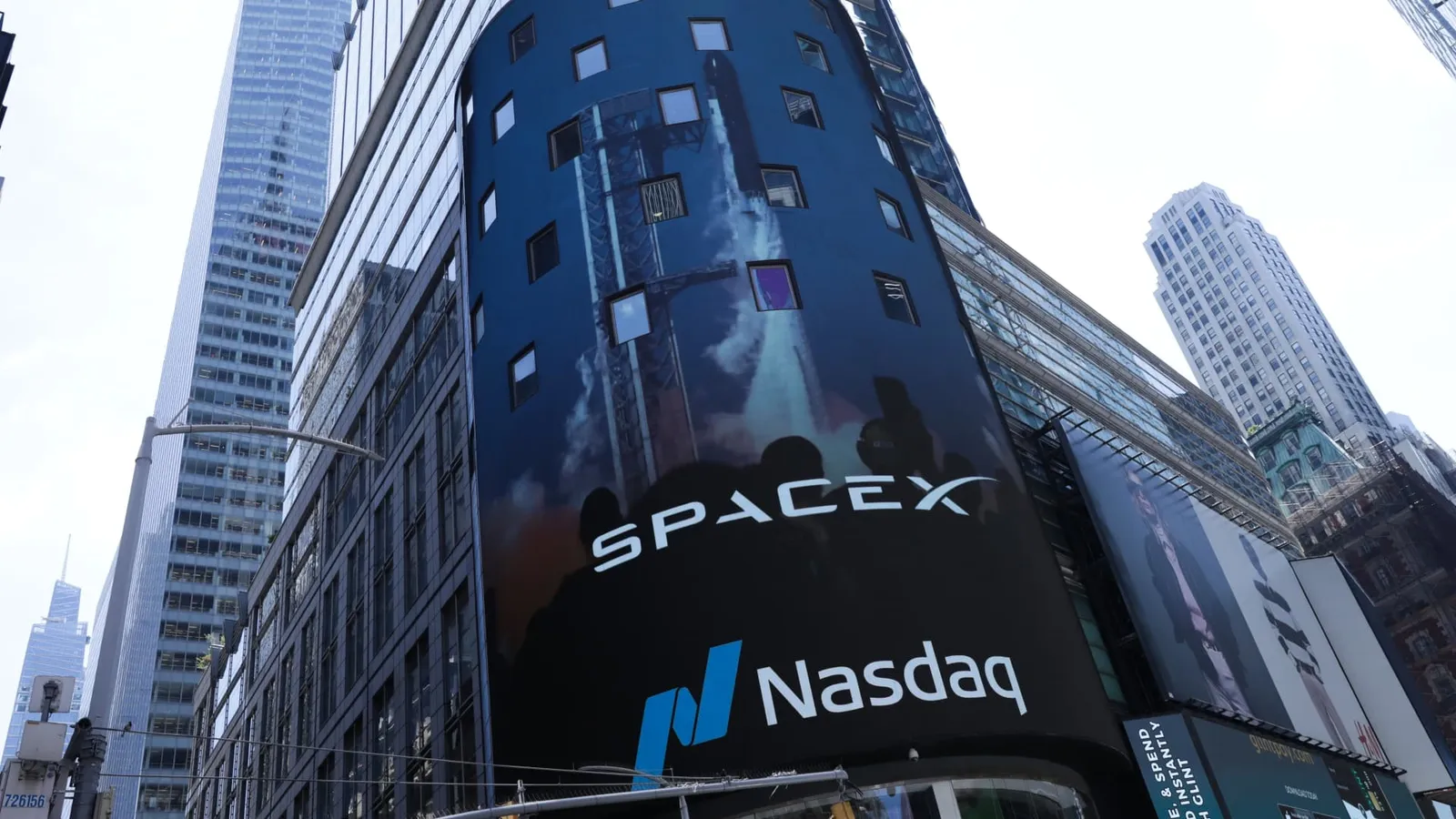
SpaceX jumps 6% in premarket, valuing the company at $2 trillion+ after its debut
The stock’s first-day surge pushes SpaceX past $2 trillion, reshaping how investors and regulators think about private space risk.