
RJ Scaringe says Rivian will ship Tesla-like supervised driving later this year
The CEO promises point-to-point hands-on supervision this year, then hands-free eyes-off driving in 2027.
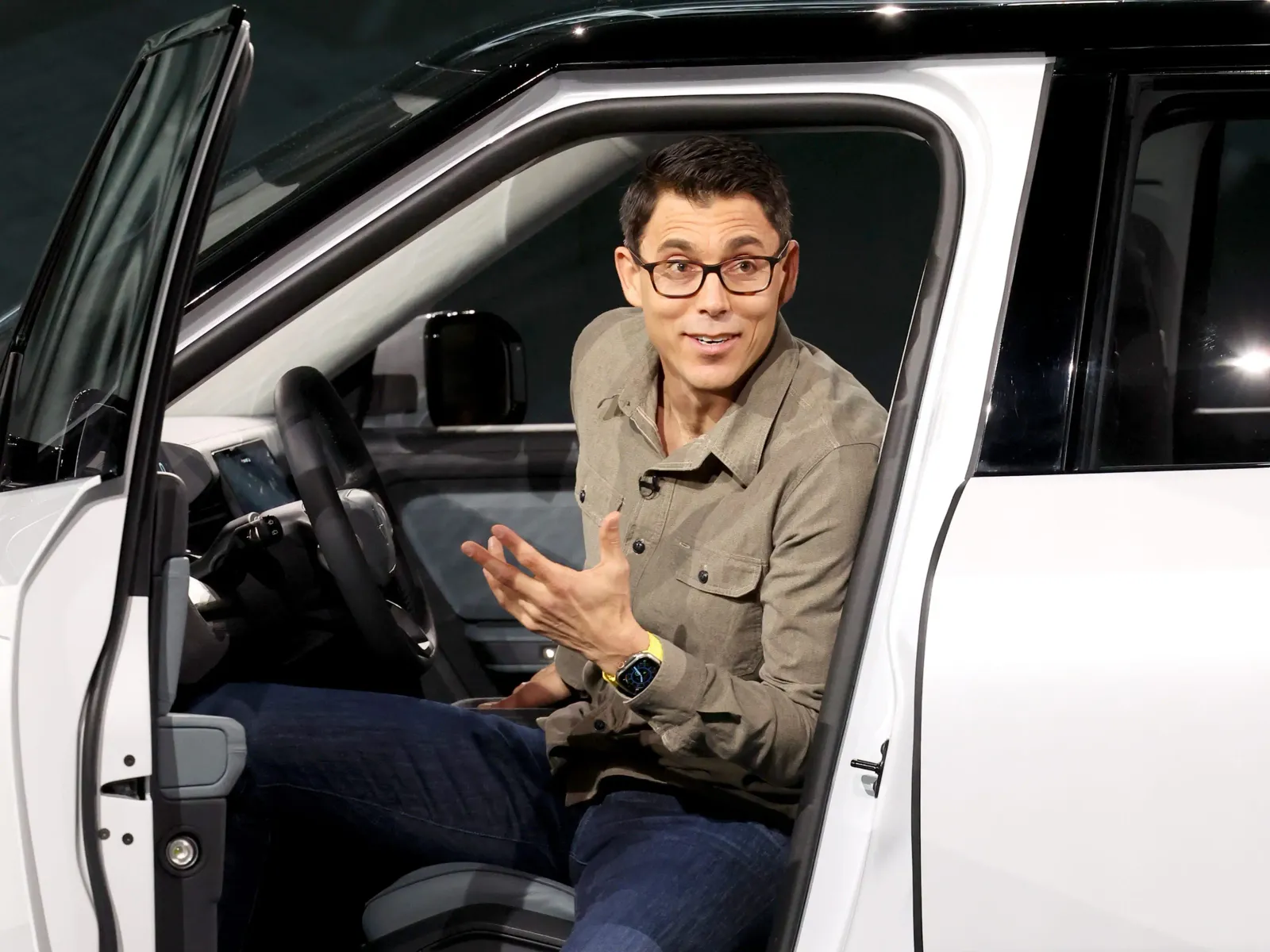
Rivian CEO RJ Scaringe says the automaker will release supervised self-driving tech similar to Tesla Full Self-Driving later this year. For decision-makers, that timeline matters because it signals Rivian's execution path toward autonomous consumer vehicles and robotaxi plans with Uber.
Rivian CEO RJ Scaringe says the company will release supervised self-driving technology “later this year” that he describes as “very similar to Tesla's FSD.” In the same comments, he also sets a longer runway: hands-free, eye-off driving is slated for 2027, according to the Business Insider report.
The immediate promise is not full autonomy on day one. Scaringe told a fireside chat at a Masters of Scale event in Anaheim on Thursday that Rivian will release an advanced driver-assistance system that can enable Rivian’s second-generation cars and the new R2 to drive on their own between destinations, which is commonly described as point-to-point driving. He compared the capability directly to Tesla’s Full Self-Driving, saying, “Later this year, we'll have full supervised point-to-point, which will be very similar to Tesla's FSD,” and that it would roll out to all Gen 2 vehicles and, of course, R2.
For executives, that distinction is the whole ballgame. Rivian currently has a hands-free system called Universal Hands-Free (UHF), which can handle steering and speed control on about 3.5 million miles of clearly-marked roads in the US and Canada. Importantly, the source notes that UHF does not handle the kinds of tasks that define “real” autonomous behavior in popular comparisons, such as navigating turns, traffic lights, or parking lots the way Tesla’s FSD Supervised does. So Scaringe’s later-this-year statement implies a meaningful step up, moving from a restricted hands-free lane-and-speed assist toward a broader supervised navigation experience.
The practical question is how supervised is “supervised.” Scaringe did not specify whether there would be a limit on the number of miles the self-driving tech could handle upon first release. That omission matters because the difference between “demo-grade” and “fleet-grade” often shows up in coverage constraints: geography, road marking quality, data sufficiency, and how the system behaves when conditions are imperfect. If Rivian can expand point-to-point capability without immediately shrinking usable routes, it tightens the feedback loop on real-world performance. If not, the company may discover that the hardest work is not the headline feature, it is the edge cases.
Zoom out, and you can see why the timeline is strategically loaded. Rivian is developing autonomous-driving technology for its next-generation vehicles, and autonomous driving is also part of its plans for a robotaxi launch through Uber. The report says Rivian inked a $1.25 billion deal with Uber in March, in which Uber could buy up to 50,000 R2 vehicles for robotaxi aspirations. That creates an incentive structure where autonomy is not just a consumer feature. It becomes a platform capability that can define the operating economics of a future mobility network, particularly when revenue per vehicle and utilization are tightly tied to how often a car can move without expensive human intervention.
Regulatory framing is also lurking behind these timelines, even when it is not spelled out. Supervised self-driving generally implies the driver remains responsible and ready to take over, which is a different regulatory posture than fully unsupervised autonomy. In last December’s announcement, Rivian pushed to develop fully autonomous driving technology for its future vehicle lineup, enabling hands-free, eyes-off driving. Scaringe’s fireside chat extended that plan with a milestone claim: unsupervised self-driving will be released next year, according to the report. Taken together, Rivian is mapping a ladder from supervised autonomy to unsupervised capability, with the key product marketing moments anchored by 2027 for eyes-off driving.
There is also a credibility test built into timing. The report suggests Scaringe’s projection could mean Rivian advanced its ADAS to a level of driving similar to FSD within a year of its release to customers. The company did not immediately respond to a request for comment, so markets will likely watch subsequent disclosures for details like rollout scope, supervised behavior constraints, and how the system is validated across different environments.
If you are an investor, founder, or board member at a company shipping autonomy-adjacent tech, this is a useful case study in how automakers communicate capability without overpromising full autonomy on day one. Rivian is using a phased story: supervised point-to-point later this year, hands-free, eye-off driving in 2027, and an unsupervised milestone next year. Whether the end state is achieved on schedule will depend on the unglamorous work: coverage, safety validation, and real-world system robustness. But the stakes are unmistakable. Rivian’s ability to deliver this step up from Universal Hands-Free toward FSD-like supervised driving will directly shape customer adoption of Gen 2 and R2, and it will influence how seriously partners like Uber can underwrite robotaxi ambitions.
This story's Key Insights and Take-aways are locked.
Create a free account to unlock Executive Actions for one credit.
Register to UnlockAlways free for Executives Club members. Join the Club
More in Business

Gina Rinehart backs SpaceX with a $1B+ stake after its $2.5T debut valuation
The Aussie mining billionaire just put Hancock Prospecting behind Musk's rocket-and-satellite combo, and markets noticed.
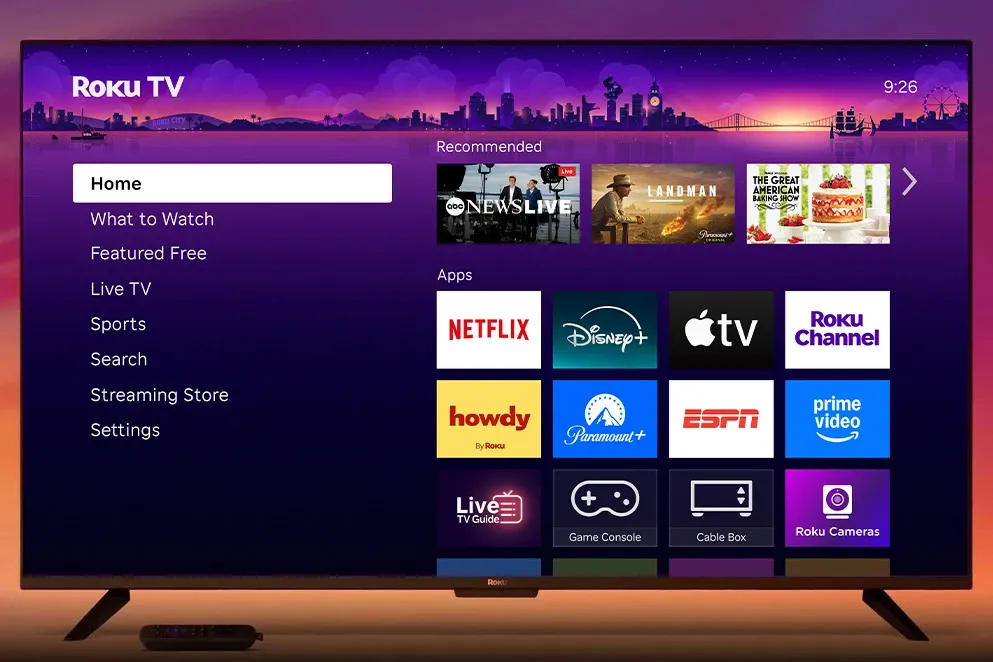
Fox agrees to buy Roku for $22B, paying $160.00 per share
What looks like a simple streaming bet is actually a $22 billion corporate reshuffle with board and regulatory gravity.
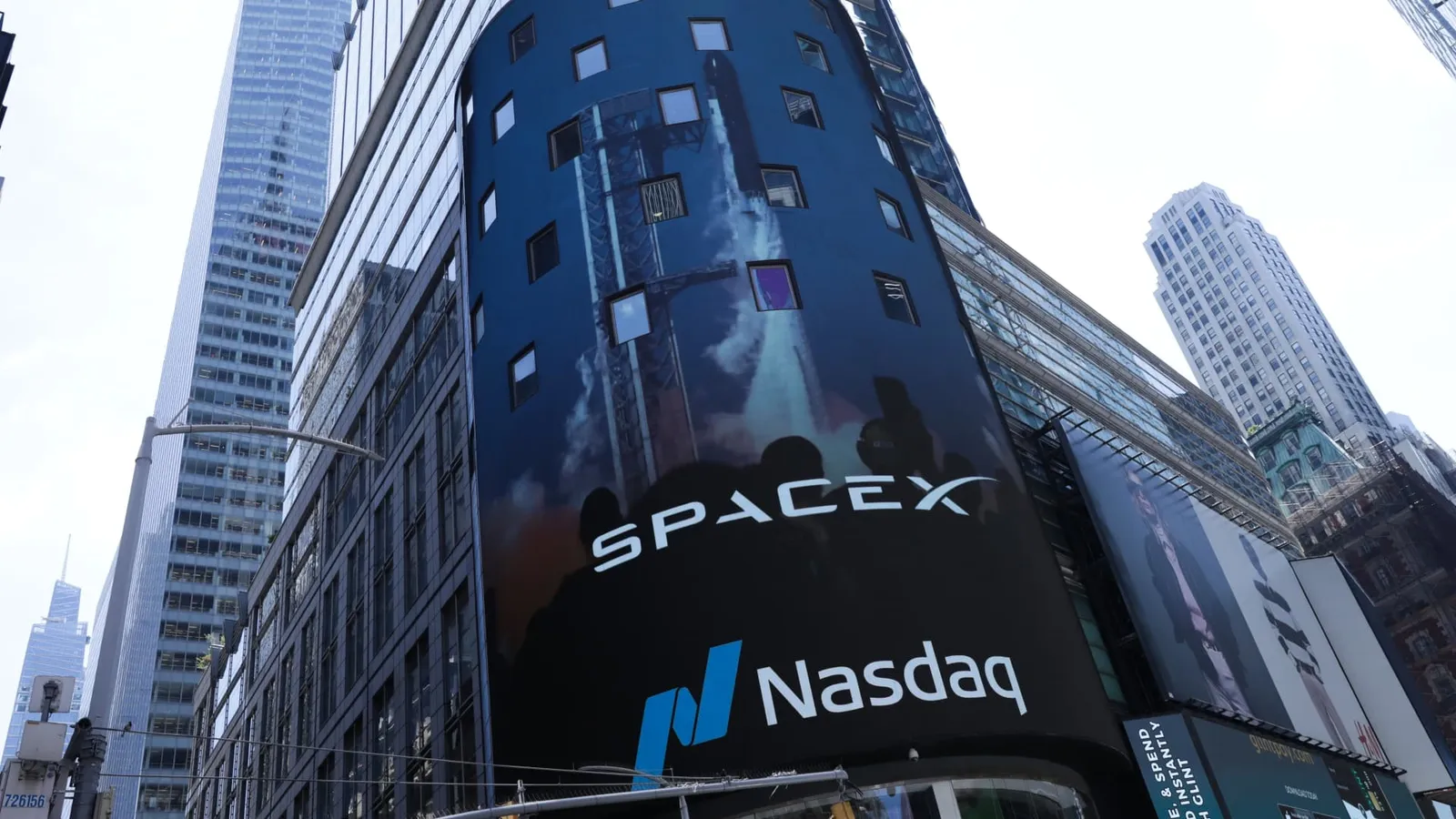
SpaceX jumps 6% in premarket, valuing the company at $2 trillion+ after its debut
The stock’s first-day surge pushes SpaceX past $2 trillion, reshaping how investors and regulators think about private space risk.