
Russia adds 17 hours of military training for grades 6-11 by September 1
Sergei Kravtsov says the national security curriculum shifts from 20% to 50% military training.
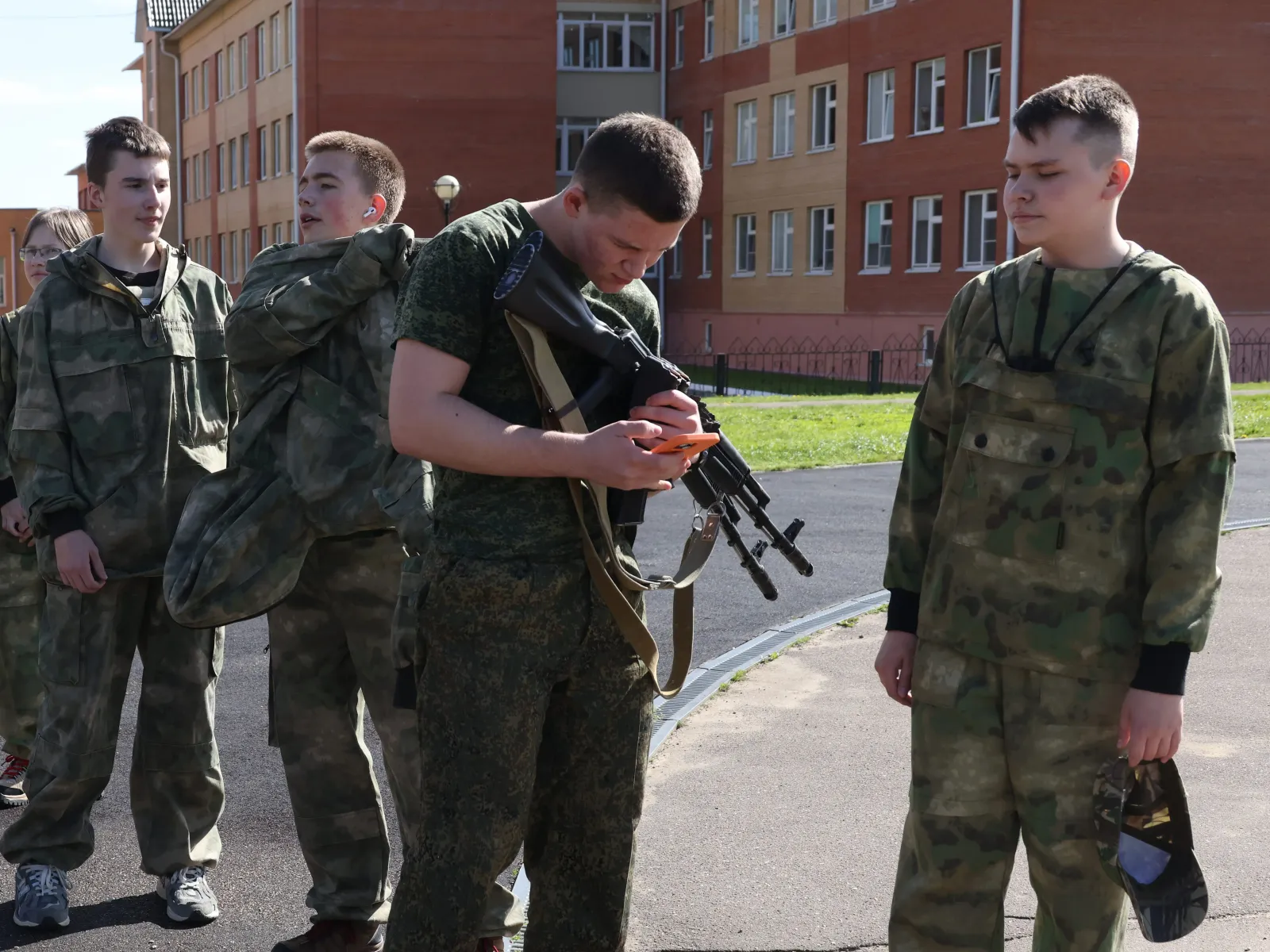
Russian education minister Sergei Kravtsov says Russia is increasing the “Fundamentals of Homeland Security and Defense” course to at least 17 hours of basic military training for students in 6th to 11th grade. The change escalates school-based combat-relevant instruction and signals how Moscow is institutionalizing war readiness.
Russia’s education minister says the compulsory national security curriculum for students in grades 6 through 11 will expand to at least 17 hours of basic military training by September 1. Sergei Kravtsov frames it as a shift in time allocation inside a 34-hour course, moving military-focused content from 20% previously reserved for training to 50% dedicated to military instruction.
On paper, it sounds like a scheduling tweak. In practice, it is a policy pivot with real-world consequences: the lessons are not just about national security as an idea. Kravtsov said the expanded training includes first aid, firearm handling, how to use a hand grenade, and new material on uncrewed aerial vehicles, meaning flying drones, plus field exercises. Since the entire course contains 34 hours of material each school year, dedicating 50% to training translates into that at least 17-hour block of basic military preparation.
For executives and boards outside Russia, the most important part might not be the classroom content. It is the mechanism: Russia is using the education system as a mass scaling engine for war-relevant skills, not leaving readiness to voluntary programs or adults alone. The source notes that the course also includes lessons on Russian military history, civic service, and wartime survival. So the policy is blending ideology and practical tactics into a single required curriculum.
Kravtsov’s description also makes clear this is not brand-new. The training echoes the Soviet-era Initial Military Training, which was compulsory for older high schoolers and included drill, first aid, rifle handling, and field-exercise camps. That earlier program was abolished in 1993, but the source says Moscow reintroduced elements after Russia’s full-scale invasion of Ukraine began in 2022. In other words, the state is not experimenting randomly. It is reverting to a familiar template and tightening it, this time for younger grades.
There is a compliance and enforcement layer too. Independent Russian media outlet Vertska reported that prosecutors filed over 200 lawsuits against schools in 2024 for failing to install military training facilities, such as shooting ranges, amid the recent educational push. That matters because it suggests the expansion is backed by pressure, not just guidance. When prosecutors are suing schools for facilities, the policy becomes operationally real very quickly, which makes it harder for institutions to “wait and see.”
The bigger roadmap also points further. The source says Russian authorities discussed reviving Initial Military Training through a separate 64-hour course focused on discipline, combat, and survival skills, but a final decision has not been made. Separately, Kommersant reported that officials were discussing a pilot program for the new format starting in September for 9th- to 11th-graders in 10 regions, including occupied Crimea. Taken together, this looks like staged expansion: broaden content first, test the next module, then scale.
None of this exists in a vacuum, and the source explicitly links the policy to worsening Russia-NATO tensions. Earlier this month, multiple Western leaders, including UK prime minister Keir Starmer and NATO Secretary General Mark Rutte, warned that Russia may be ready to launch a large-scale attack on Europe by 2030. Moscow uses those warnings as justification, the source says, for surging military readiness among schoolchildren.
Even more telling is the parallel messaging inside Russia. Viktor Vodolatsky, First Deputy Chairman of the State Duma Committee on CIS Affairs, suggested to local media on June 22 that students should begin war-relevant classes after the 5th grade. The source quotes him saying, “Russian children should be prepared for war with NATO and the European Union immediately after primary school.” That is not curriculum engineering in the usual sense. It is agenda-setting. It implies that the 17-hour expansion could be a stepping stone in a longer effort to normalize war readiness earlier in life.
For decision-makers in education, defense-adjacent industries, international policy, and even companies managing supply chains and compliance across the region, the second-order implication is simple: governments under pressure can move fastest through institutions that reach millions. Schools are one of the highest leverage systems imaginable. If Russia institutionalizes combat-relevant training for younger students, it also changes the long-term labor pool, workforce norms, and the social environment that shapes future recruitment and public support for militarized policy. The policy is a classroom update with geopolitical downstream effects.
This story's Key Insights and Take-aways are locked.
Create a free account to unlock Executive Actions for one credit.
Register to UnlockAlways free for Executives Club members. Join the Club
More in Politics
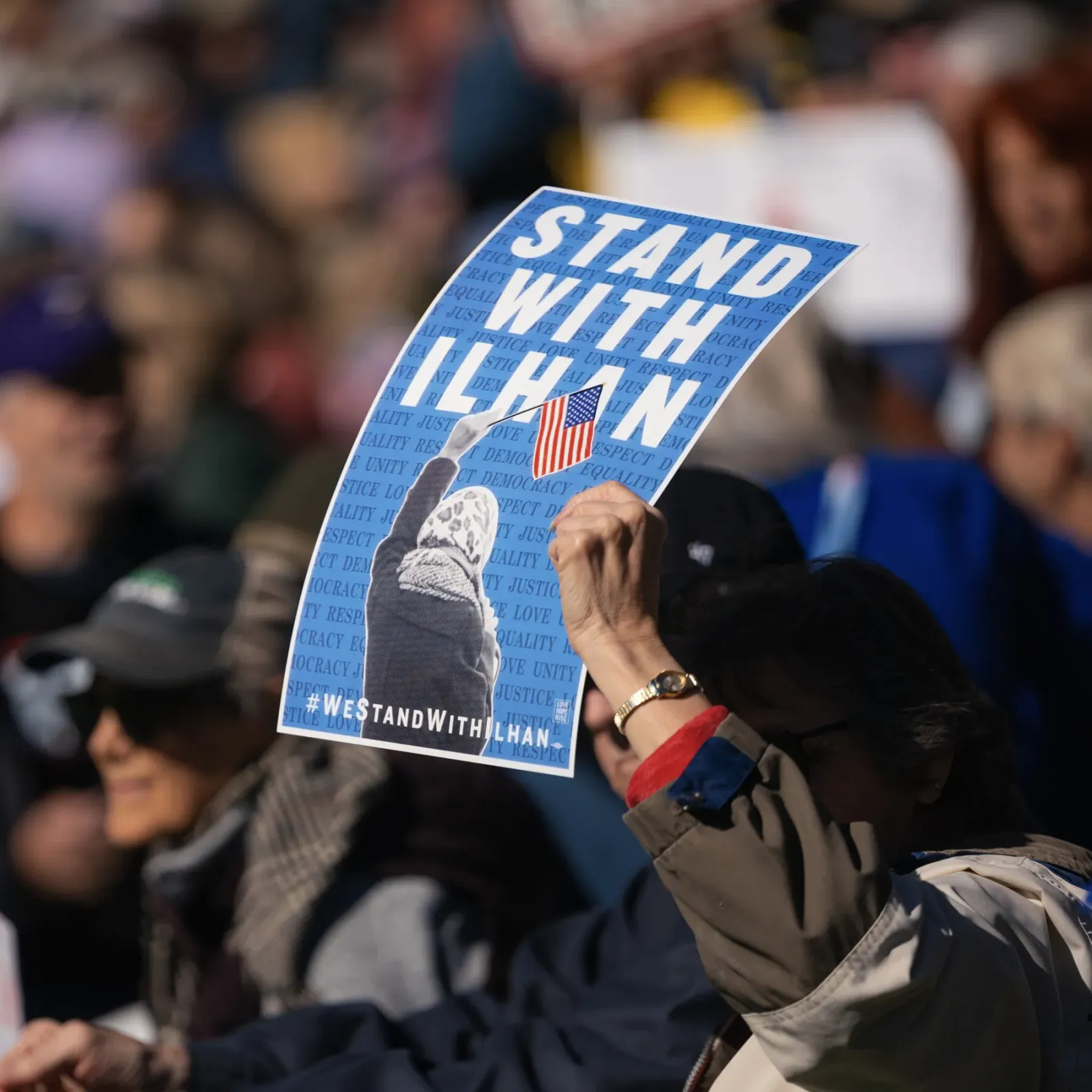
Obama Defends Ilhan Omar After Agents Search Her Home in Trump Inquiry
The former president's intervention raises the stakes in a federal probe into immigration paperwork that has put a prominent progressive lawmaker in the crosshairs.

Blair-era minister: cut welfare to fund youth job support
Alan Milburn's call for welfare cuts to fund employment support opens a Labour fight over benefits and the Neet crisis.
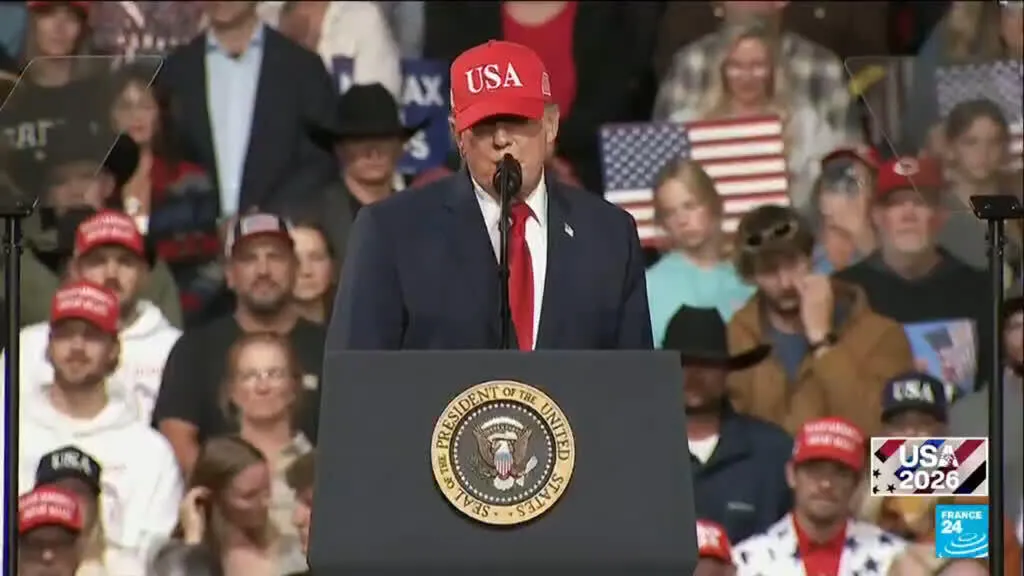
Hot September CPI: energy costs surge, voters feel the squeeze before midterms
The latest inflation print lands as Trump campaigns for GOP control of Congress, putting cost-of-living worries at the center of the midterm fight.