
S&P 500 jumps 1.7% as US-Iran energy stability hopes spark a risk-on sprint
Stocks rally on deal-driven relief for Strait of Hormuz chaos, but energy normalization is months away and supply risks remain.
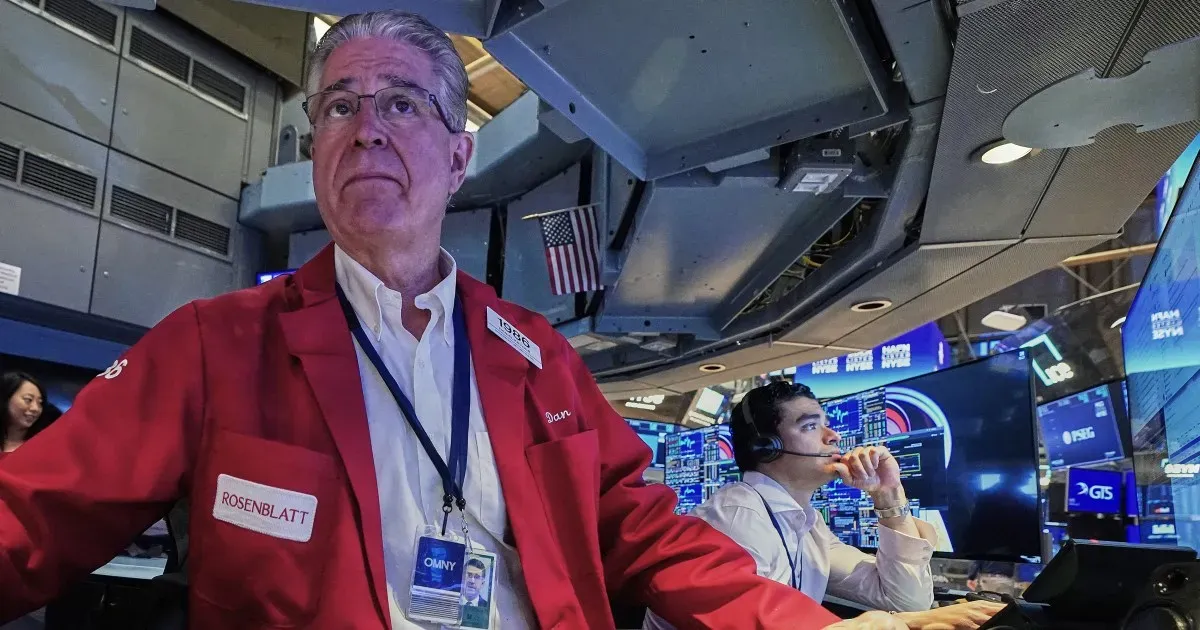
US stocks climbed as hopes rose for a tentative US-Iran framework that could end disruption to energy supply chains tied to the Strait of Hormuz. For investors and corporate leaders, the rally signals improving risk appetite, but the physical bottleneck and security backlog will keep volatility alive.
US stocks moved in sync with an emerging macro narrative: relief that a tentative US-Iran deal could reduce the odds of further energy chaos. On Monday, the S&P 500 rose 1.7 percent, bringing the benchmark index within touching distance of its all-time high. Tech led the charge too, with the Nasdaq Composite jumping 3.1 percent as the market repriced the near-term risk backdrop.
The reason this matters is not just “stocks are up.” It is what the move is pricing. The rally is tied to hopes for an end to the US-Israel war on Iran, with investors expecting more stability for energy supply chains that have been roiled for months. In other words: a capital markets bet that if geopolitical fuel disruptions cool off, inflation pressure, input costs, and disruption premiums become easier to underwrite.
That helps explain why the usual “risk appetite” signals showed up quickly. The blue-chip Dow Jones Industrial Average climbed 0.9 percent and closed at a record high. Meanwhile, Brent crude futures, the primary global oil benchmark, fell nearly 5 percent to just above $83 a barrel, the lowest price since the first week of the conflict. When crude drops while equities rise, it usually means markets believe the worst-case energy path is retreating, at least for now.
Tech-specific momentum added rocket fuel. The tech-focused Nasdaq Composite was aided by a 19.6 percent gain by SpaceX, after the company’s Friday debut that the report called the biggest market debut in history and credited with minting the world’s first trillionaire, Elon Musk. That kind of liquidity and headline power can amplify broader market moves, especially when investors already feel more comfortable taking risk.
Over in Asia, trading started cautiously. As of 01:30 GMT, Japan’s Nikkei 225 was 0.01 percent lower, South Korea’s Kospi was down 0.06 percent, Taiwan’s TAIEX was up 0.2 percent, and Hong Kong’s Hang Seng Index was down 0.07 percent. The contrast matters for decision-makers because it suggests the US move is leading, but not everyone is fully convinced yet. Investors may be waiting to see if the energy “stability” story holds up beyond headlines.
Under the hood, the key is that framework talks do not instantly unjam tankers and mine threats. While the Washington and Tehran framework raised hopes for return to stability in global energy markets, the report expects it will take months before energy flows fully return to normal. Two operational realities drive that delay: a massive backlog of vessels around the Strait of Hormuz and the need to ensure the waterway is safe from Iranian naval mines.
Quantitatively, the International Shipping Chamber estimates that about 500 ships are still waiting to pass through the strait, which normally carries about one-fifth of global supplies of oil and liquefied natural gas. For executives, that is a concrete constraint. Even if risk premiums soften, shipping timelines and safety assurance take time, and those bottlenecks can keep prices and volatility reactive to any renewed tension.
There is also a behavioral angle. Jay Goldberg, a senior analyst for tech-related equities at the Chicago-based Seaport Research Partners, said the US-Iran deal tilted investors’ risk balancing act toward buying. His oversimplification was direct: “AI spending is strong, but there’s a war going on.” With the war “over, it seems,” he said that side of the argument falls away, and investors feel better about taking on more risk.
For boards, CFOs, and founders planning budgets, inventory, and capex, the strategic takeaway is straightforward but easy to underestimate: equity markets can rally on improved macro assumptions faster than the real world can restore throughput. The S&P 500 and Nasdaq move gives a window into sentiment, yet the Strait of Hormuz backlog and safety requirements mean the energy story is still in progress. Today’s bounce might be real, but it is not the finish line. The next test is whether energy stabilization holds long enough to translate relief into durable planning assumptions across costs, margins, and supply chain reliability.
This story's Key Insights and Take-aways are locked.
Create a free account to unlock Executive Actions for one credit.
Register to UnlockAlways free for Executives Club members. Join the Club
More in Business

Gina Rinehart backs SpaceX with a $1B+ stake after its $2.5T debut valuation
The Aussie mining billionaire just put Hancock Prospecting behind Musk's rocket-and-satellite combo, and markets noticed.
Fox agrees to buy Roku for $22B, paying $160.00 per share
What looks like a simple streaming bet is actually a $22 billion corporate reshuffle with board and regulatory gravity.
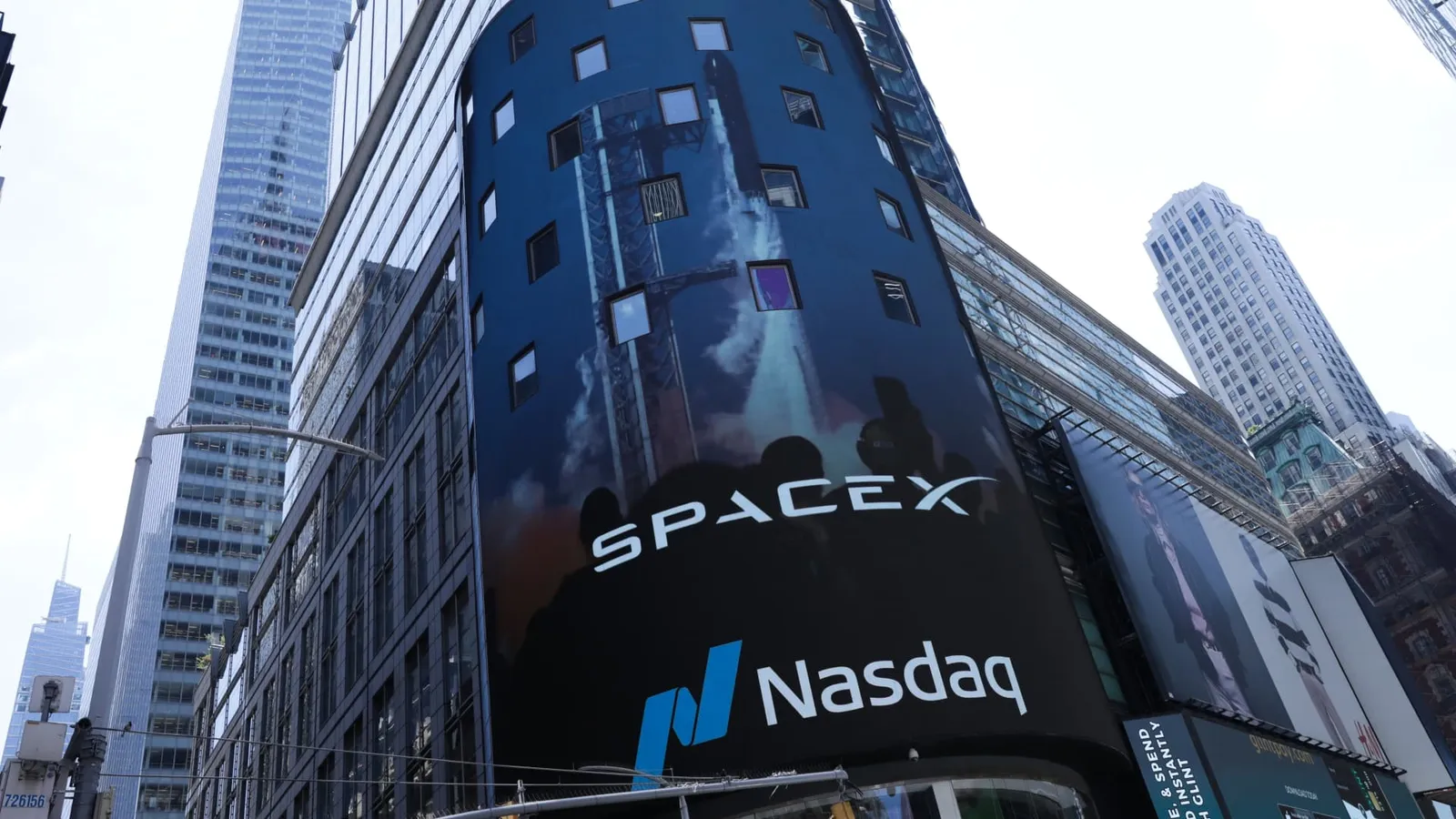
SpaceX jumps 6% in premarket, valuing the company at $2 trillion+ after its debut
The stock’s first-day surge pushes SpaceX past $2 trillion, reshaping how investors and regulators think about private space risk.