
Saudi Aramco helicopter crashes in Ras Tanura, 14 Saudi passengers killed early Sunday
A Ras Tanura crash killed all 14 Saudi nationals aboard and left the cause unclear, raising urgent safety and oversight questions.

Saudi Arabian media report a helicopter crash in Ras Tanura on the country’s eastern coast early Sunday involving Saudi Aramco operations. All 14 Saudi nationals on board were killed, and the cause of the crash was unclear.
Saudi Arabian media report a helicopter crash in Ras Tanura on the country’s eastern coast early on Sunday, and the outcome is grim: all 14 Saudi nationals on board were killed. The same reporting also says the cause of the crash is unclear, which matters as much as the casualty count, because “unclear” is where investigations, blame allocation, and operational changes usually begin.
For executives watching the energy sector, the immediate consequence is not just tragedy, it is uncertainty. When a crash happens in a critical operating region like Ras Tanura, which sits in Saudi Arabia’s oil heartland, the unknown cause quickly becomes a board-level issue: what failed, what safeguards existed, and what must change before the next flight. Even with limited information so far, the fact that all 14 passengers were Saudi nationals and that the crash location is precisely Ras Tanura turns this into a high-scrutiny event for Saudi aviation and corporate safety leadership.
This is the kind of incident that forces companies to run safety systems in two modes at once. The first is immediate crisis response, typically focused on rescue coordination, identifying victims, and securing the area. The second is internal governance, where risk teams and compliance functions move from “we don’t know” to “what could explain this, and how do we prevent recurrence.” In practice, that often means tightening maintenance records review, revisiting crew training and operating procedures, and cross-checking that any aviation contractors or flight providers are meeting the expected standards. The source is sparse on those specifics, but the structure of how these events get handled is consistent across industries.
There is also a capital-market angle, even when the cause has not been identified. Saudi Aramco is one of the world’s most scrutinized energy operators, and its operational continuity depends on more than pipelines and platforms. Aviation is part of how large offshore and industrial operations manage personnel movement, including executives, engineers, and other staff. A crash that kills all onboard passengers can lead to short-term disruptions to staffing plans and longer-term revisions to how flight operations are contracted, audited, and insured. For decision-makers, the question becomes: how fast can you restore normal operations while demonstrating to regulators, employees, and stakeholders that safety is being actively investigated and improved.
Regulatory frameworks add another layer. When a crash occurs and the cause is unclear, investigators and regulators typically look for evidence across multiple categories, such as aircraft condition, maintenance history, flight planning, weather conditions, navigation and communications, and human factors. Even without additional details from the source, executives in aviation-adjacent roles know that unresolved causality can trigger more frequent oversight in the interim. That can mean more inspections, more paperwork, and more conservative operational rules until findings are released.
Boards and risk committees also have to manage a sensitive timeline. They cannot wait for final determinations to act on process discipline. At the same time, moving too quickly to assign responsibility without evidence can create legal exposure and reputational damage. The unusual part here is the clarity of the outcome, but the uncertainty of the cause, with Saudi Arabian media reporting both that all 14 passengers were killed and that the cause of the crash remains unclear. That combination tends to produce a rapid internal audit cycle paired with careful external messaging that emphasizes investigation processes rather than conjecture.
For peers across the oil and gas supply chain, this incident is a reminder that safety governance is operational, not theoretical. Large industrial operators rely on complex logistics, and helicopters are often a necessity in geographically concentrated, high-risk work environments. When the worst happens, executives are forced to re-check whether safety management systems are actually embedded in day-to-day decisions: scheduling, crew rest, maintenance intervals, contractor performance management, incident reporting culture, and emergency readiness.
The strategic stakes are straightforward even with limited public details: if the cause is tied to preventable factors, the fallout can reshape policies not just for one operator but for the ecosystem of service providers around them. If the cause is tied to environmental conditions or unforeseen events, the emphasis shifts to resilience and mitigation. Either way, Saudi Aramco’s flight operations and related oversight will likely be examined closely, and that is exactly what decision-makers with similar risk profiles should be preparing for now: a rigorous, evidence-driven investigation, a disciplined operational review, and transparent safety actions that stand up to scrutiny.
This story's Key Insights and Take-aways are locked.
Create a free account to unlock Executive Actions for one credit.
Register to UnlockAlways free for Executives Club members. Join the Club
More in Politics
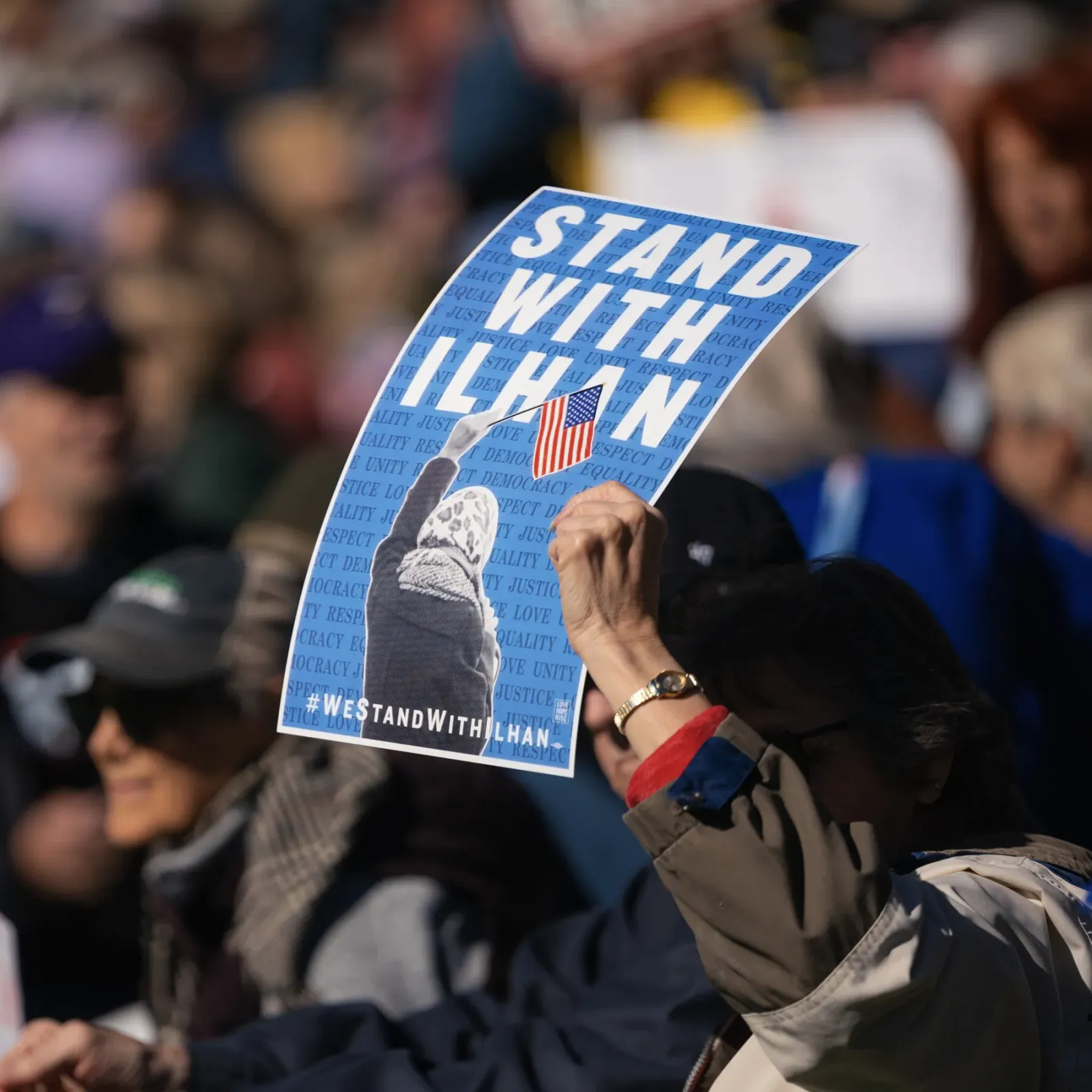
Obama Defends Ilhan Omar After Agents Search Her Home in Trump Inquiry
The former president's intervention raises the stakes in a federal probe into immigration paperwork that has put a prominent progressive lawmaker in the crosshairs.

Blair-era minister: cut welfare to fund youth job support
Alan Milburn's call for welfare cuts to fund employment support opens a Labour fight over benefits and the Neet crisis.

Hot September CPI: energy costs surge, voters feel the squeeze before midterms
The latest inflation print lands as Trump campaigns for GOP control of Congress, putting cost-of-living worries at the center of the midterm fight.