

Scandals still matter, but politics learned to reframe them for survival
NPR looks at how the meaning of scandal has shifted, and what that changes for voters and power brokers.

NPR examines how scandals have always been part of politics and how politicians' handling of them has changed. For decision-makers, the consequence is clear: scandal cycles are now more about narrative management and endurance than immediate accountability.
Scandals have always been part of politics. That much is old news. What NPR emphasizes is the part that can still move markets, careers, and governance: the way politicians handle scandals has changed over time, and that shift affects what “accountability” looks like in practice.
In other words, the scandal is no longer just the event. It is the strategy around the event. NPR frames scandals as an enduring feature of political life, then points to a new reality for how scandals play out, how they are communicated, and how quickly they are absorbed into the ongoing competition for power. If you are a voter, that might change what you believe you are reacting to. If you are an operator, strategist, or investor thinking about institutions, it changes what you assume will happen after a public credibility hit.
To understand why this matters, zoom out to how modern political systems are built. Elections and governing require constant persuasion, coalition maintenance, and message discipline. Scandals disrupt those things, but they also create opportunities: for opponents to attack, for incumbents to mobilize supporters, and for everyone to fight over the interpretation of events. NPR's core point is that the “interpretation fight” is now central. Politicians are not just trying to survive a scandal. They are trying to control how the scandal is understood, how long it lasts, and which parts of it become the story that sticks.
This is where incentives kick in. In many political environments, the payoff for fast, visible accountability is not always guaranteed. Even when scandals are serious, the incentives to contest facts, shift blame, or emphasize process can be strong, especially when political survival depends on turnout and enthusiasm. If scandal handling is now more narrative-driven, then the key variable becomes not only what happened, but also how quickly political actors can place the scandal inside a broader worldview: partisan conflict, institutional bias, selective outrage, or a claim that the real issue is being ignored.
There is also a boardroom-style lesson hiding in plain sight. Decision-making at the top, whether it is in parties, legislatures, or adjacent organizations, often becomes a question of risk management. Boards typically ask: what is the downside, what is the timeline, and what actions reduce volatility? Politicians do something similar in a public forum. They may choose legal defenses, oversight responses, staff changes, policy pivots, or message reset campaigns. NPR’s framing suggests that the “how” of scandal management has evolved, implying that there is more experience now in minimizing reputational damage and keeping governing possible even when headlines turn hostile.
And because the political environment overlaps with regulation, the second-order implications are real. Regulatory processes tend to be slower and more procedural than media cycles, but scandals can accelerate attention and scrutiny. When politicians treat scandal as a communications and endurance problem, the regulatory impact can shift from immediate punishment to longer-term bargaining: hearings, investigations, compliance promises, and political trades. Even when formal outcomes occur, the public perception of what those outcomes mean can diverge from what the legal or regulatory system actually delivers.
For executives, founders, and investors who care about policy and institution risk, the takeaway is uncomfortable but practical. If scandals are being handled differently, then the assumption that public outrage automatically translates into rapid accountability may be weaker than it used to be. The scandal becomes another phase in an attention economy, where framing can outlast facts, and where the key question becomes whether institutions can withstand repeated credibility shocks without losing legitimacy.
NPR’s question, then, is not whether scandals still matter. It is what “matter” means now. Scandals can still be damaging, but the changed handling suggests that they often function as part of a longer political contest rather than a one-time verdict. That is the shift decision-makers have to plan for. In the same way companies manage brand risk, political actors now manage scandal as a recurring asset or liability in the fight for control. And anyone watching power from the outside should update their mental model accordingly.
This story's Key Insights and Take-aways are locked.
Create a free account to unlock Executive Actions for one credit.
Register to UnlockAlways free for Executives Club members. Join the Club
More in Politics

Glacial collapse, not rain, killed 180 in Nepal's Himalayan flood
The Himalaya's extreme geography hid the true cause of Nepal's catastrophic flood, a glacial collapse that turned a geological battleground into a mass-casualty zone.

Iran’s Esmail Baghaei says Oman talks start shipping via Hormuz, not US talks yet
Temporary route plans with Oman aim to restart commerce while Tehran says Washington dialogue is not on the table.
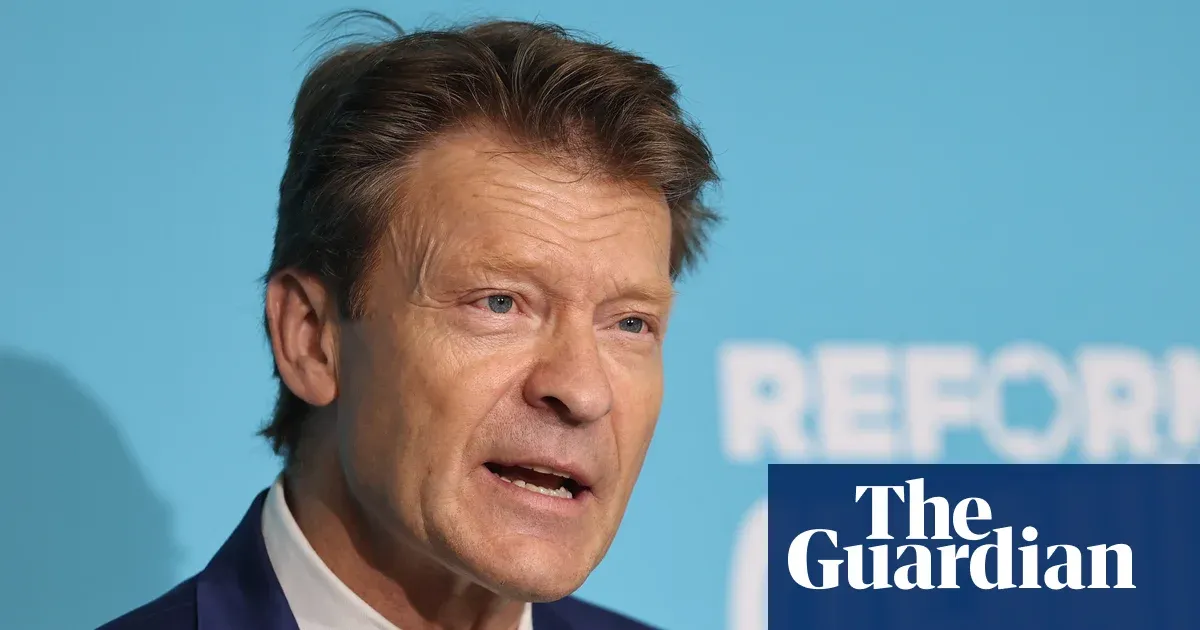
Standards watchdog opens probe into Reform UK deputy leader Richard Tice over interests
The parliamentary standards commissioner says it began an investigation on 28 July into a possible undeclared interest.