
Sen. Bill Cassidy fires back at Trump’s staff over SAVE America Act insult
The Louisiana Republican says Trump was “misled” after the president blamed him for not backing the SAVE America Act.
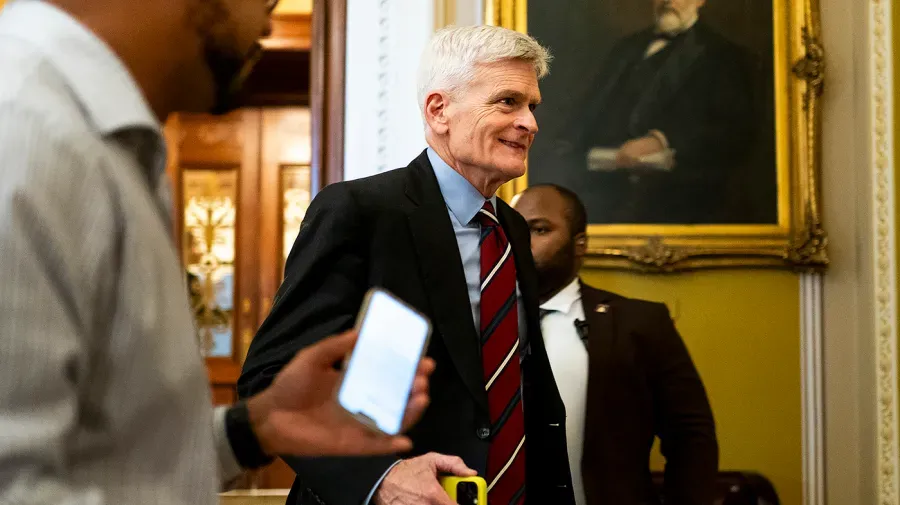
Sen. Bill Cassidy (R-La.) responded to President Trump after Trump criticized Cassidy and other GOP senators for not supporting the SAVE America Act. Cassidy said Trump’s staff had “misled” the president even though he has consistently voted for the bill.
Sen. Bill Cassidy (R-La.) punched back at President Trump on Monday after the president criticized Cassidy, along with other GOP senators, for not supporting the SAVE America Act. Cassidy’s argument was simple, and that is what makes it politically spicy: he says he has consistently voted for the bill, so the president’s public framing does not match the record.
Cassidy then took his criticism one level deeper, targeting Trump’s staff for what he described as having “misled” the president. In other words, Cassidy was not just denying a vote. He was accusing the White House of getting the facts wrong and then broadcasting the error.
This is the kind of fight that matters beyond the usual cable-news orbit, because it highlights how quickly legislative messaging can turn into political pressure. When a president publicly links specific senators to a failure to back a major bill, it pressures senators to either escalate publicly or redraw their position to protect party standing. Even if the underlying voting history is stable, the narrative can become unstable. Cassidy is trying to stabilize it by moving the conflict from “what senators did” to “how the president was informed.”
To understand the stakes, think about how the SAVE America Act fits into the broader incentive structure for both lawmakers and the White House. Bills do not move in a vacuum. They move through calendars, caucus dynamics, and messaging cycles where the party leadership wants clean alignment. If the White House believes senators are not reliably supportive, it can start rewarding compliant behavior and tightening pressure on holdouts. Cassidy’s response is effectively a dispute over whether that pressure is being applied to the wrong people, based on inaccurate internal briefings.
There is also an optics problem for the White House whenever the public gets a mismatch between claims and voting patterns. Even supporters get nervous when a top-line narrative looks sloppy. For decision-makers trying to anticipate congressional follow-through, the reliability of the president’s claims becomes part of the environment. If lawmakers can publicly point to an apparent mischaracterization, it can limit the president’s leverage, because it makes the pressure campaign sound less disciplined.
Cassidy calling out “misled” briefing channels is a classic inside-out accountability move: if the senators were blamed incorrectly, then the information pipeline is suspect. That matters because congressional leaders and their staff rely on White House guidance to coordinate floor strategy, committee signaling, and whip operations. A senator can survive a disagreement. A senator can survive even a policy fight. But being lumped into a charge of not supporting the bill when the senator believes the votes say otherwise forces a higher-stakes response, because it threatens reputation inside the party.
Second-order implications show up in how quickly allies and other GOP senators would have to choose sides. If Cassidy’s description of the voting record is accepted, then the president’s critique becomes a liability for the broader coalition. If it is rejected, Cassidy risks escalating a personal conflict without changing anyone’s mind about the bill’s political status. Either way, it increases the temperature around legislative coordination, and it can complicate future negotiations if staff teams start operating defensively rather than collaboratively.
For executives, investors, and anyone watching regulatory and legislative risk, these dynamics matter because legislation is often where policy directions harden. The SAVE America Act is the focal point here, and the fight is about who is supporting it and how the White House frames that support. When the framing is disputed in public, it can slow consensus-building, create uncertainty about legislative momentum, and increase the chance of additional political volatility. Markets do not trade on press releases, but they do price in uncertainty. Political uncertainty around bill support can ripple into how stakeholders plan for compliance timelines, program design, and implementation.
Ultimately, Cassidy is trying to take away the president’s narrative advantage. By saying Trump’s staff misled the president, he shifts the conflict from a simple vote-count question to a credibility question about information quality inside the White House. For other senators and for peers who manage relationships with the administration, the message is clear: public pressure campaigns can backfire if the underlying facts are wrong, and the fix might require not just policy alignment, but also a public correction of the record.
This story's Key Insights and Take-aways are locked.
Create a free account to unlock Executive Actions for one credit.
Register to UnlockAlways free for Executives Club members. Join the Club
More in Politics
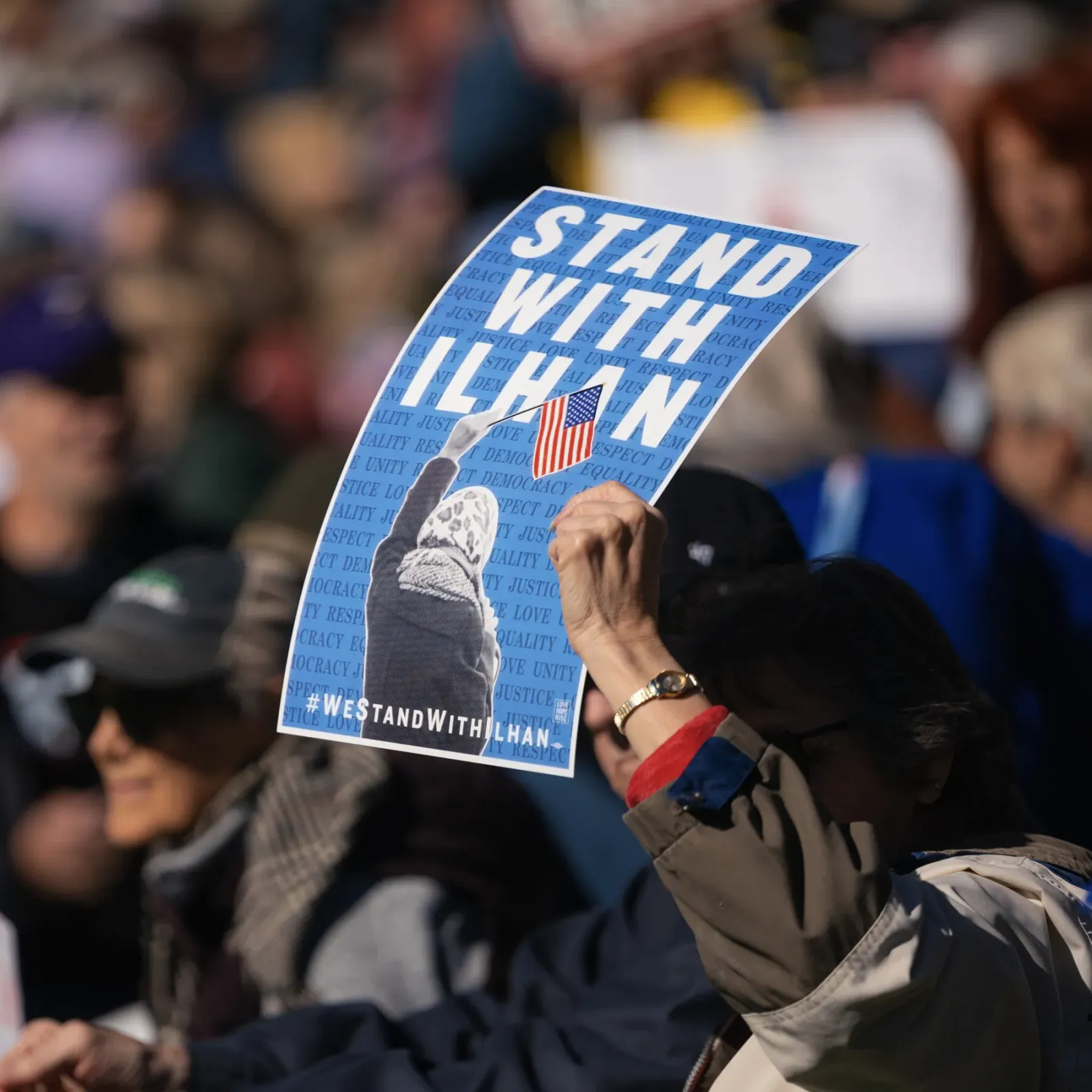
Obama Defends Ilhan Omar After Agents Search Her Home in Trump Inquiry
The former president's intervention raises the stakes in a federal probe into immigration paperwork that has put a prominent progressive lawmaker in the crosshairs.

Blair-era minister: cut welfare to fund youth job support
Alan Milburn's call for welfare cuts to fund employment support opens a Labour fight over benefits and the Neet crisis.
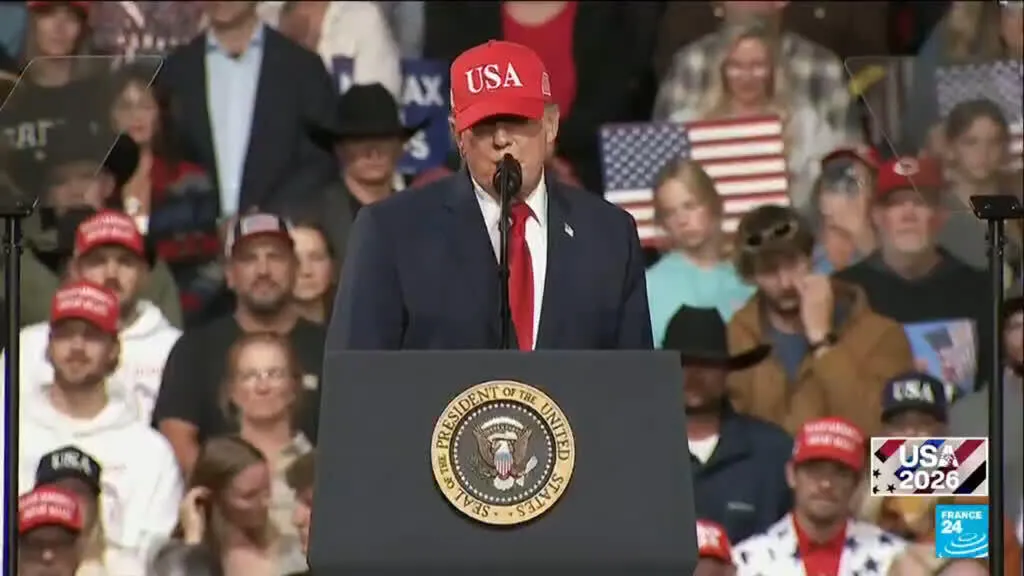
Hot September CPI: energy costs surge, voters feel the squeeze before midterms
The latest inflation print lands as Trump campaigns for GOP control of Congress, putting cost-of-living worries at the center of the midterm fight.