

She quit a $173K job to create content. One month she made $6.
A product designer traded a stable six-figure salary for self-employment, and her first months reveal the real cost of the creator economy.

Heigi Jeong, a product designer earning $173,000, quit to pursue content creation and book writing, giving herself one year. Her income now fluctuates wildly, including a $6 month, exposing the volatility of creator income for executives considering similar pivots.
Heigi Jeong walked away from a $173,000 product design salary to chase content creation and a book deal. In July, her self-employment income was $6. That is not a typo. The Toronto-based designer, who moved from Korea in 2020, is three months into a self-imposed one-year experiment to see if she can build a sustainable career outside the corporate world.
Jeong was not burned out. She worked about 40 hours a week, mostly 9 to 5, and had a healthy work-life balance. But she had signed a book deal and was building a content creation side hustle. Juggling three full-time roles was impossible, so she chose to quit the most stable one: product design. She gave herself exactly one year to make it work before deciding whether to return to a corporate job.
The financial reality has been brutal. Content creation payments are inconsistent. In July, a delay in the payment system meant she earned just $6. Other months she earns zero, and some months she earns more than her old salary. She had savings and a supportive partner, which made the leap possible on a practical level, but the mental adjustment to fluctuating income has been the hardest part.
Beyond money, Jeong has had to learn to set boundaries. As her own boss, there is always more work to do. When she was employed, she could shut her computer at the end of the day. Now her mind is constantly ticking over. She has had to get strict with herself to ensure she takes breaks. She also faces online criticism from people who tell her she made a huge error.
Three months in, Jeong says she is nearly always confident she made the right decision. She occasionally gets shaken by negative comments, but she believes that even if she returns to corporate work, this year will not have been a mistake. She values the experience of leaving something stable for the unknown, a lesson she considers important.
Jeong's story is a microcosm of the creator economy's volatility. For every success story, there are thousands of creators struggling with unpredictable paychecks. The trade-off is clear: autonomy and passion versus stability and benefits. For executives and professionals considering a similar pivot, the key takeaway is the importance of a financial runway and a realistic plan for income fluctuation.
The strategic lesson for decision-makers is not about content creation itself, but about risk assessment. Jeong did not quit impulsively. She had savings, a partner, a book deal, and a one-year timeline. She also had a résumé that could take her back to product design. That combination of preparation and a defined exit strategy is what made the leap feasible. For boards and CEOs, the takeaway is that calculated risks, with clear guardrails, can be worth taking.
Jeong's experience also highlights the psychological shift required when moving from a salary to variable income. The mental burden of never knowing your next paycheck can be as challenging as the financial one. For companies, this is a reminder that the gig economy and creator economy are not just trends; they are reshaping how people think about work, stability, and success. The question is whether traditional employers can offer enough flexibility to retain talent that might otherwise leave.
This story's Key Insights and Take-aways are locked.
Create a free account to unlock Executive Actions for one credit.
Register to UnlockAlways free for Executives Club members. Join the Club
More in Business

Royal Caribbean just spent $3B to own half of Sandals
The cruise giant is buying a 50% stake in the all-inclusive resort chain for $3 billion, a bet that land-based vacations are the next growth engine.

Paramount's Ellison: Merger Clearance Done, WBD Deal by Oct 1
David Ellison says the Paramount-WBD merger has full clearance after settling with state AGs, clearing the path for an October 1 close.
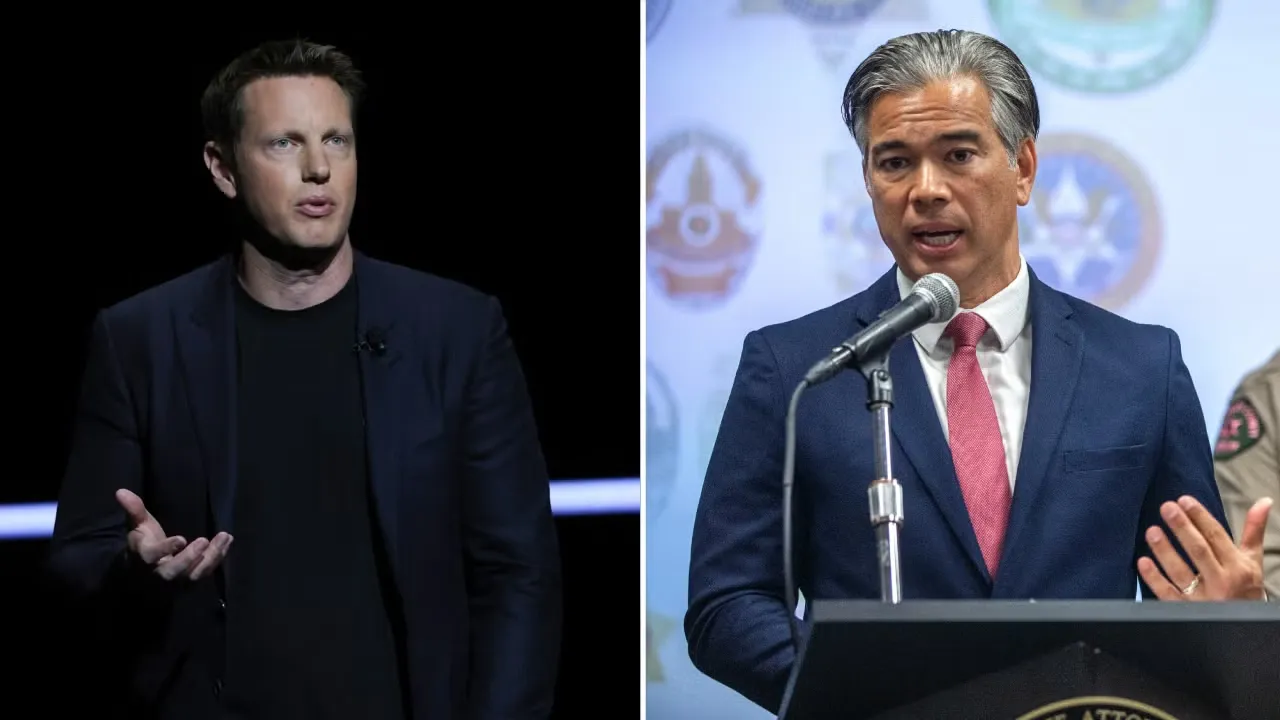
Paramount settles with 12 states, $110B Warner merger clears final hurdle
David Ellison's studio avoids a March trial and a $7M-a-day ticking fee by settling with state AGs over local job losses.