

Sieges decided empires. Richard Cockett says they still decide campaigns
Richard Cockett, in The War Room newsletter, explains why sieges repeatedly determine the fate of civilisations.

Richard Cockett, a senior editor, writes in The Economist's War Room newsletter that entire campaigns, and even the fate of civilisations, have turned on a siege. For decision-makers, the point is simple: control of pressure, logistics, and time can outweigh battlefield brilliance.
Entire campaigns, and the fate of civilisations, have turned on a siege. That is the core claim in Richard Cockett's The War Room newsletter, written by the senior editor Richard Cockett for The Economist. It is a big statement because it flips how people usually imagine war. We like to picture heroics, breakthroughs, and dramatic moments. But Cockett is saying the real pivot points are often quieter: the long pressure, the tightening ring, and the slow reallocation of resources until one side runs out of options.
So what does a “siege” mean in practical terms? In plain English, a siege is not just a fight. It is a system of containment and attrition where time becomes a weapon. One side aims to stop people, supplies, and decisions from moving freely. The other side tries to keep essential flows alive, whether that is food, ammunition, governance continuity, or morale. Cockett’s framing matters because it suggests that the decisive action is rarely the first clash. It is the management of constraints after the clash, and the ability to endure while the other side bleeds capability. If you translate that into how campaigns actually get won, the focus shifts to logistics, coordination, and the discipline to keep applying pressure.
Now, you might be wondering why an editorial about historical sieges belongs in a business briefing. Because the mechanics travel. Modern organisations do not “siege” cities, but they do siege outcomes. Competitors squeeze distribution channels. Regulators tighten compliance requirements. Platforms change rules and suddenly entire go-to-market plans starve. Boards respond with contingency planning or they freeze. In the same way a siege turns on time, many corporate outcomes turn on timing: runway, cash conversion cycles, contract renewals, audit windows, court schedules, and regulatory review periods. The side that manages time well often looks strategically calm, even when the day-to-day work is grinding.
There is also an incentive angle. In a siege, the attacking side often has to commit to a sustained effort, which affects cost, staffing, and political patience. The defending side, meanwhile, faces a different incentive problem. Every day the siege continues can drain resources, but it can also encourage risk-taking, corruption, or despair if leadership can’t explain a realistic path to relief. That dual dynamic shows up in corporate “sieges” too. A company facing tighter enforcement by regulators, slower approvals, or a hostile procurement environment must decide whether to conserve resources, pivot the product, or gamble on a longer-shot workaround. Meanwhile, the board must judge not just performance, but strategy under constraint.
Regulatory context is a particularly good parallel for Cockett’s emphasis on sieges. Regulators are, in a sense, external gatekeepers who can alter the flow of goods, services, and data. When rules tighten, the question becomes less about “can we build it” and more about “can we operate it within the window and the requirements.” Compliance regimes can behave like siege lines, restricting movement. You can still be strong at the front end, with a product that works, but if you cannot pass the gate at the required time, the effective battlefield shifts. The consequence is second-order: delayed launches, stranded budgets, renegotiated contracts, and pressure on leadership to deliver credible timelines.
Another second-order effect is capital discipline. A siege forces organisations to decide what to fund and what to cut. Sustained pressure tends to expose weak assumptions. In modern terms, it can reveal where a company is relying on favorable conditions that no longer exist: cheap financing, stable supply chains, predictable regulatory outcomes, or steady customer acquisition. When the siege arrives, those assumptions stop paying rent. Strong boards respond by tightening decision loops, increasing transparency about risk, and prioritising survival until the environment changes. We often frame strategy as a creative act. Cockett’s point suggests an equally important reality: strategy is also endurance and systems thinking.
The final implication is for anyone sitting in the decision chain. Cockett’s newsletter is not giving you a checklist for modern conflict. It is giving you a mindset. If entire campaigns have turned on sieges in history, then for today’s executives and investors, the biggest threat might be missing the “second phase” of competition: the phase where constraints harden and time becomes decisive. The battlefield may be noisy. The siege is quieter. But the siege is what decides who still has options when the moment arrives.
This story's Key Insights and Take-aways are locked.
Create a free account to unlock Executive Actions for one credit.
Register to UnlockAlways free for Executives Club members. Join the Club
More in Politics
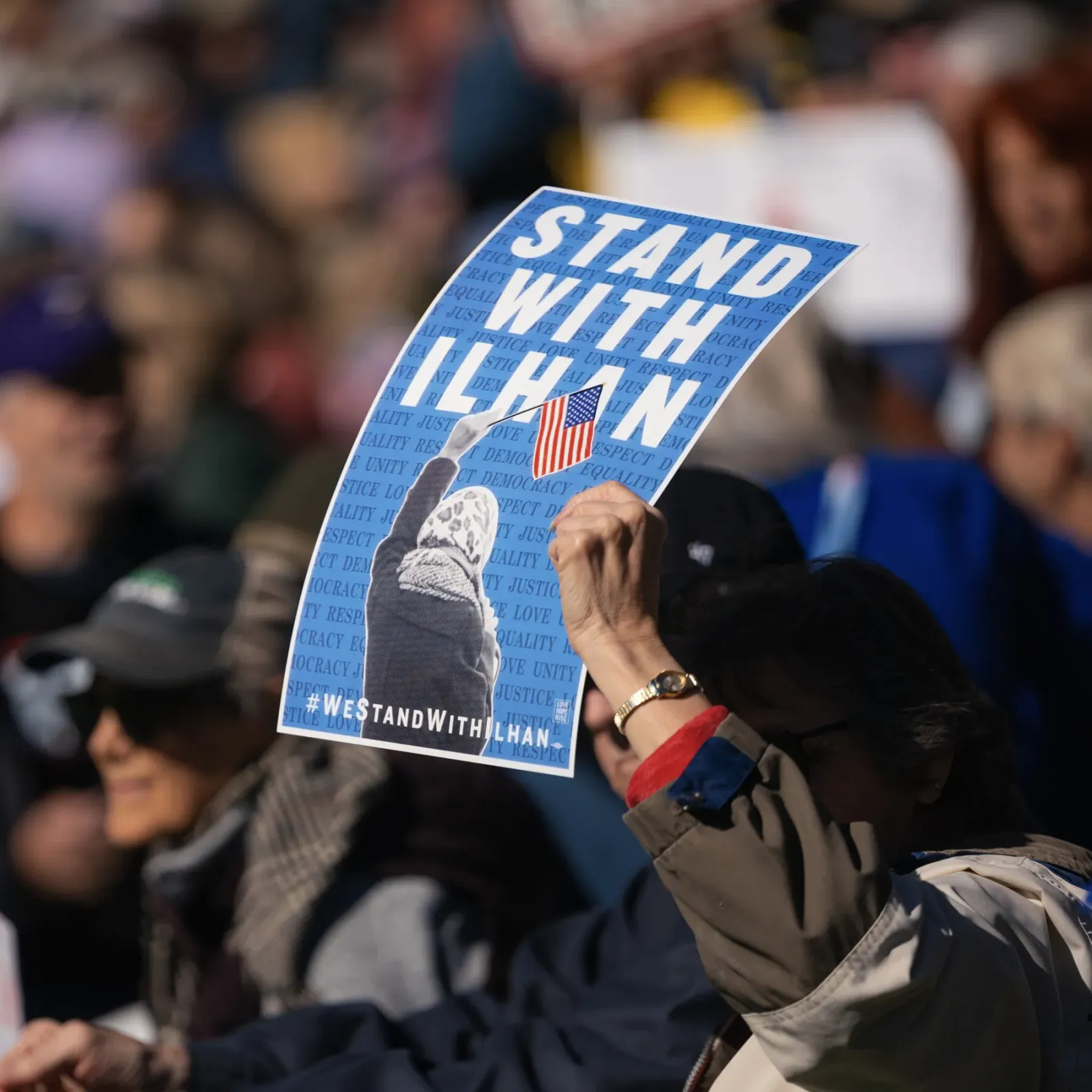
Obama Defends Ilhan Omar After Agents Search Her Home in Trump Inquiry
The former president's intervention raises the stakes in a federal probe into immigration paperwork that has put a prominent progressive lawmaker in the crosshairs.

Blair-era minister: cut welfare to fund youth job support
Alan Milburn's call for welfare cuts to fund employment support opens a Labour fight over benefits and the Neet crisis.
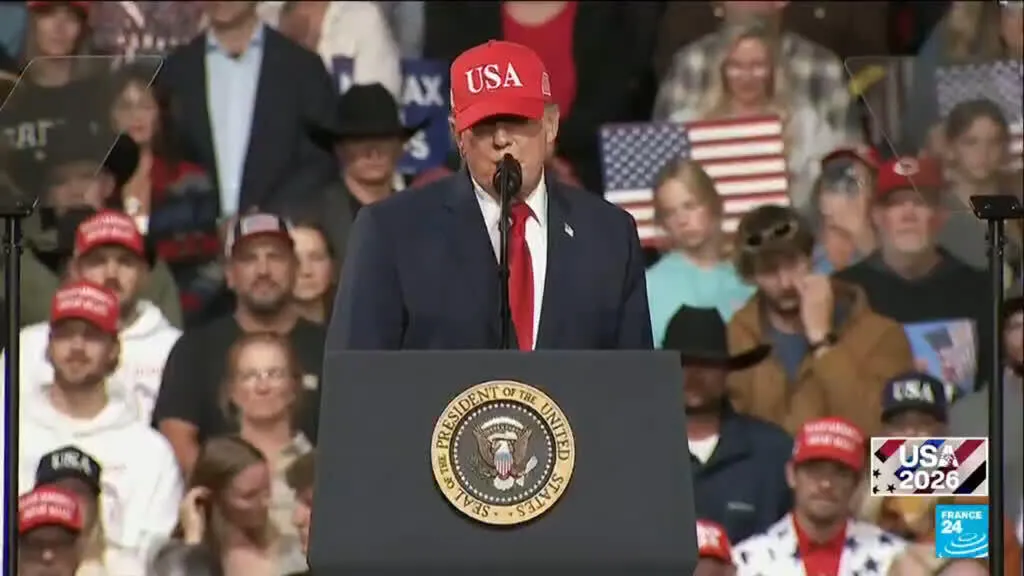
Hot September CPI: energy costs surge, voters feel the squeeze before midterms
The latest inflation print lands as Trump campaigns for GOP control of Congress, putting cost-of-living worries at the center of the midterm fight.