
Slovenia’s right-wing government removed the rainbow flag outside Culture Ministry in June
Pride Month ends with a clear message: visibility can be policy. Here’s what Slovenia’s LGBTQ+ community faces now.
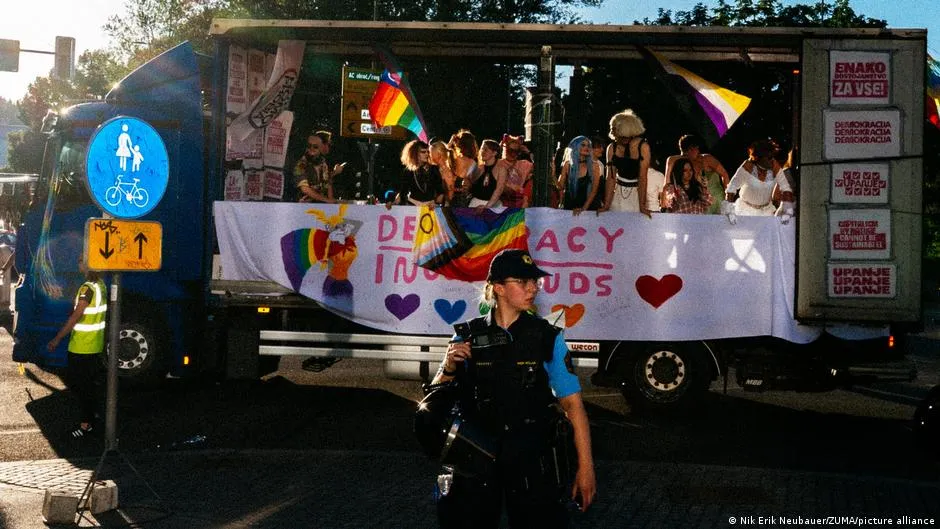
Slovenia’s new right-wing government took an early action in June by removing the rainbow flag outside the Culture Ministry. As Pride Month draws to a close, the situation spotlights how government symbolism can reshape day-to-day safety, rights, and public space for LGBTQ+ people.
In June, one of the first moves by Slovenia’s new right-wing government was to remove the rainbow flag outside the Culture Ministry. That act is small in physical size, but big in meaning. It tells LGBTQ+ people who want to be seen that their visibility is optional, and it signals to everyone else what the current political center of gravity prefers.
As Pride Month draws to a close, Deutsche Welle surveys the situation of Slovenia’s LGBTQ+ community under this changed environment. The core issue is not abstract. Pride exists because many people still feel invisible. When the government removes a symbol from a prominent public building, it changes the atmosphere in which communities organize, speak out, and seek equal treatment.
To understand why this matters beyond symbolism, you have to know how public signaling works in politics. Culture ministries and public buildings are not just administrative offices. They are stage lights. Flags, plaques, and banners act as official statements about who belongs in the national “we.” When leaders remove a rainbow flag, the second-order effect is often a shift in social risk calculus. People in marginalized groups may interpret it as a cue that harassment will be tolerated more quietly, or that institutions will respond more slowly when problems arise.
There is also a governance angle. A “first step” taken immediately after a new administration comes in suggests priorities are being operationalized quickly. In many European systems, governments have legal frameworks and administrative control, but they also have softer power through culture and communications. Even when direct policy changes are not instantly visible, removing a Pride symbol can be a gateway for other measures, such as tightening grants for advocacy-oriented programs, altering how cultural events are approved, or changing how local authorities interpret compliance and public order.
For LGBTQ+ people in Slovenia, Deutsche Welle’s framing points directly to a lived reality: Pride Month has “great significance for those who feel invisible.” That sentence matters for executives and boards because visibility is a risk factor, not a PR accessory. Employees, customers, students, and partners make decisions in environments where they believe they will be supported or left alone. When the state withdraws a symbol of inclusion, institutions face a credibility test: do they treat equality as a principle, or as something conditional on the political calendar?
The broader European context helps explain why this is high stakes. Many countries in the region have spent years debating LGBTQ+ rights in legal, cultural, and educational arenas. The intensity of these debates tends to track elections and shifts in coalition politics. In that setting, Pride symbolism can become a proxy fight: not only about protections under law, but about whether inclusion is treated as a permanent part of civic identity or a temporary concession.
So what does this mean for decision-makers watching from outside Slovenia? If you lead an organization with public-facing operations, the signal from government matters for how stakeholders read your posture. If you are a board director overseeing workplace policy, it matters for retention and trust. If you are an investor backing companies that rely on inclusive talent markets, it matters for brand resilience and employee wellbeing. When a state removes a rainbow flag outside the Culture Ministry, it is hard evidence that culture policy and visibility can change fast.
And that is the strategic stake as Pride Month ends: executives should treat symbolic governance shifts as early warnings, not late-breaking controversies. The question is not whether a flag affects legal rights overnight. It does not necessarily work that way. The question is whether the removal reshapes the environment in which enforcement, access, and everyday safety are experienced. Inclusion is experienced in details. This June detail is now part of the story of what LGBTQ+ people in Slovenia are navigating.
This story's Key Insights and Take-aways are locked.
Create a free account to unlock Executive Actions for one credit.
Register to UnlockAlways free for Executives Club members. Join the Club
More in Politics

Trump keeps veering off affordability, spiking Republicans' midterm anxiety
As Republicans bet on costs voters feel daily, the president's off-script moves complicate the math for campaigns and markets.
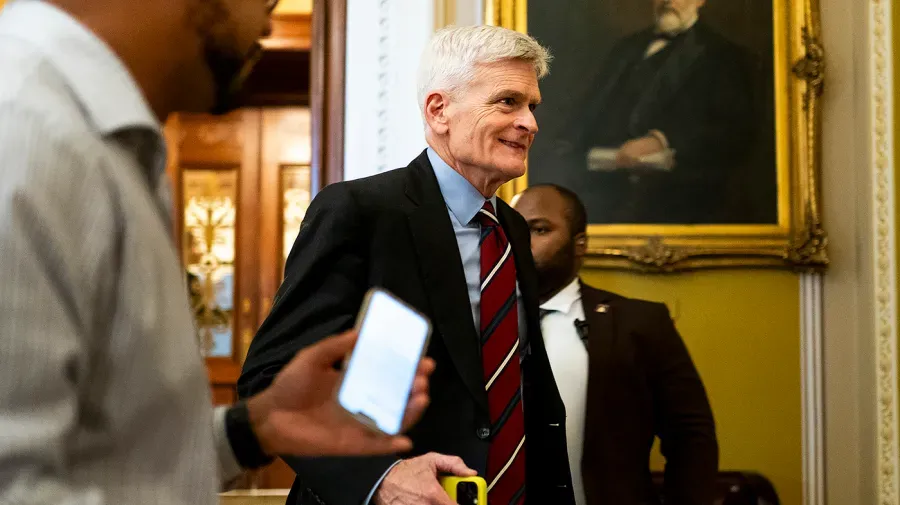
Sen. Bill Cassidy fires back at Trump’s staff over SAVE America Act insult
The Louisiana Republican says Trump was “misled” after the president blamed him for not backing the SAVE America Act.

Trump says Iran agreed to Doha talks Tuesday after Hormuz clashes
A Truth Social post sets a Doha deadline, while repeated Hormuz fire threatens a fragile shipping ceasefire.