
Trump says Iran agreed to Doha talks Tuesday after Hormuz clashes
A Truth Social post sets a Doha deadline, while repeated Hormuz fire threatens a fragile shipping ceasefire.

US President Donald Trump claims Iran has agreed to hold peace talks in Doha after US and Iran traded fire in the Strait of Hormuz. If the ceasefire unravels again, decision-makers face immediate disruption risk to one of the world's most important shipping corridors.
US President Donald Trump says Iran has agreed to hold talks in Doha on Tuesday, after US and Iran traded fire in the Strait of Hormuz this weekend. In a terse post on Truth Social, Trump claimed the meeting would take place in the Qatari capital, in the middle of a dangerous escalation that threatens to derail a ceasefire designed to keep the strait open and pave the way for peace talks.
The timing is the key: Trump’s post points to a Tuesday meeting in Doha, and US media reporting said the two sides had agreed to halt strikes following tit-for-tat attacks. That matters because the Strait of Hormuz is not some abstract geopolitical chessboard. It is a choke point for shipping, and the source notes the recent round of attacks once again cut off shipping through the crucial waterway. When traffic disappears, markets feel it quickly, and logistics managers feel it even faster.
Zoom out and you get why Doha is the staging ground, and why this ceasefire is so fragile. The source frames the dispute as one where Iran is “jealously competing with Oman as decision-maker over strait of Hormuz.” In other words, the diplomatic fight is not only about stopping gunfire. It is also about who gets to shape what happens around the strait, and who gets to be seen as the legitimate gatekeeper when tensions rise. That kind of rivalry makes agreements harder to lock in, because each side has incentives to claim credit and avoid looking like it conceded control.
Operationally, this weekend’s exchange of fire is being treated as a threat to the collapse of the ceasefire, and the reporting suggests it was linked to tit-for-tat attacks that were strong enough to cut off shipping again. For executives, especially those with exposure to energy supply chains, marine insurance, container flows, or regional manufacturing, the practical question becomes: will the ceasefire hold long enough to normalize routing and risk pricing? Even short disruptions can create second-order effects like higher freight rates, tightened contract terms, and cautious counterparties who demand more documentation about delays and force majeure coverage.
There is also a regulatory and compliance angle that often gets underappreciated in market talk. When shipping through a strategic corridor is interrupted, companies tend to face heightened scrutiny over sanctions risk, counterparties, and documentation trails. If US and Iran are trading fire, it is not just the vessels that are at risk. It is the paper trail. Regulators and banks generally want clearer evidence of lawful routing, end use, and exposure, because volatility increases the chance that normal compliance processes get bypassed. Even if the immediate legal framework has not changed, operational uncertainty can push firms into conservative behavior.
Meanwhile, the “peace talks” framing puts the diplomatic calendar in direct competition with the violence calendar. The source says the ceasefire’s purpose is to keep the strait open and pave the way for peace talks. That means if the ceasefire holds, Doha becomes a pressure relief valve. If it fails, the talks risk becoming performative, while the underlying goal of restoring free movement through Hormuz stays stuck behind the next tit-for-tat cycle.
For boards and investors, the strategic stake is straightforward: instability at Hormuz does not stay regional. It bleeds into global price formation and risk premiums, and it changes how quickly firms can plan, hedge, and execute. A Tuesday meeting in Doha might sound like a routine diplomatic date, but in this context it is a real-world test of whether a ceasefire can survive the next provocation.
The bigger pattern is that ceasefires around chokepoints are rarely “set and forget.” They require ongoing signaling and consistent behavior, because the incentives to retaliate or escalate can outcompete the incentives to cooperate. If you are a decision-maker in energy, shipping, insurance, logistics, or any business with exposure to Middle East supply routes, Trump’s claim about Doha is not just headline drama. It is a near-term operational variable, and the source’s note that shipping was cut off underscores how quickly the real economy responds to geopolitical shocks. Tuesday will be another checkpoint, and the markets will read it like one.
This story's Key Insights and Take-aways are locked.
Create a free account to unlock Executive Actions for one credit.
Register to UnlockAlways free for Executives Club members. Join the Club
More in Politics
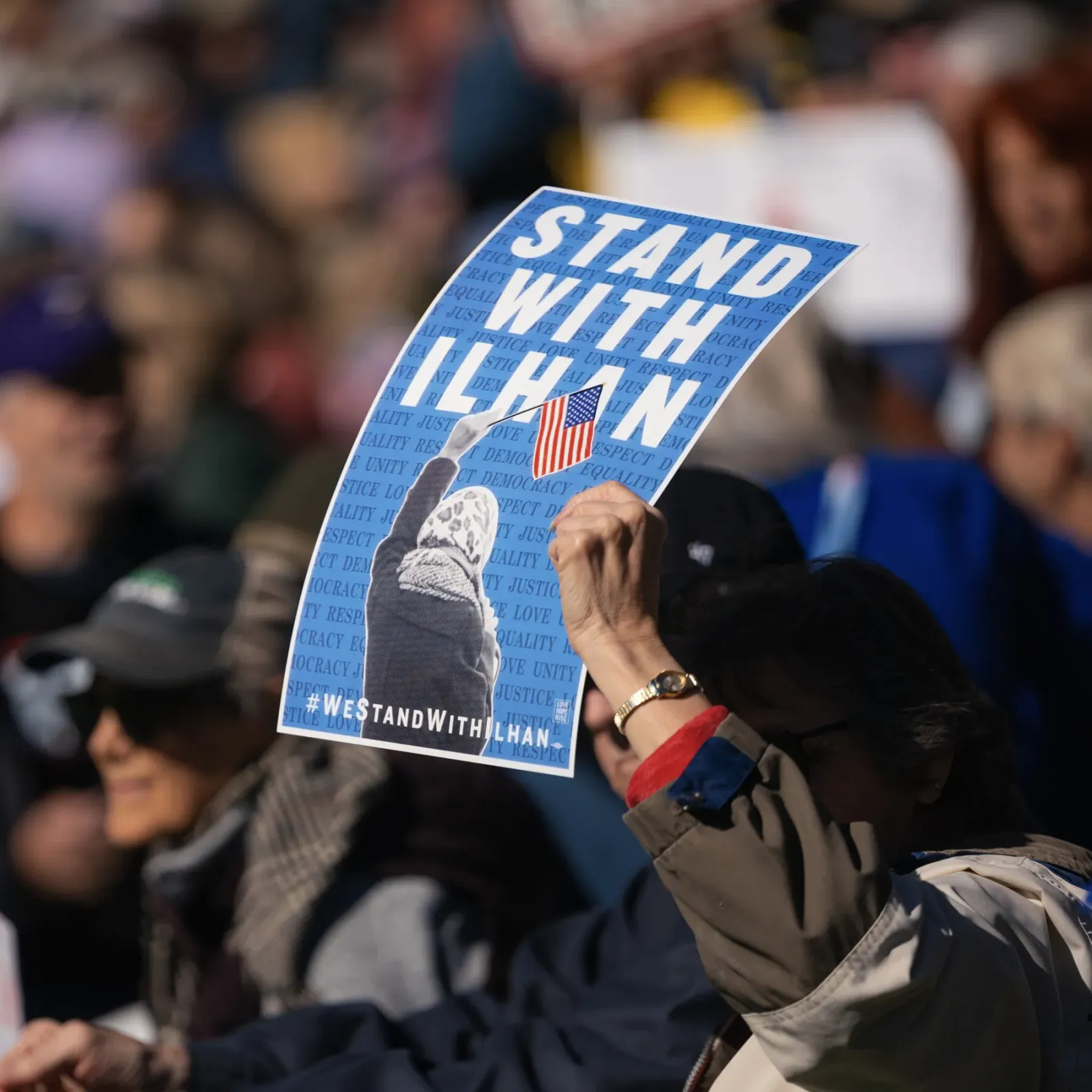
Obama Defends Ilhan Omar After Agents Search Her Home in Trump Inquiry
The former president's intervention raises the stakes in a federal probe into immigration paperwork that has put a prominent progressive lawmaker in the crosshairs.

Blair-era minister: cut welfare to fund youth job support
Alan Milburn's call for welfare cuts to fund employment support opens a Labour fight over benefits and the Neet crisis.
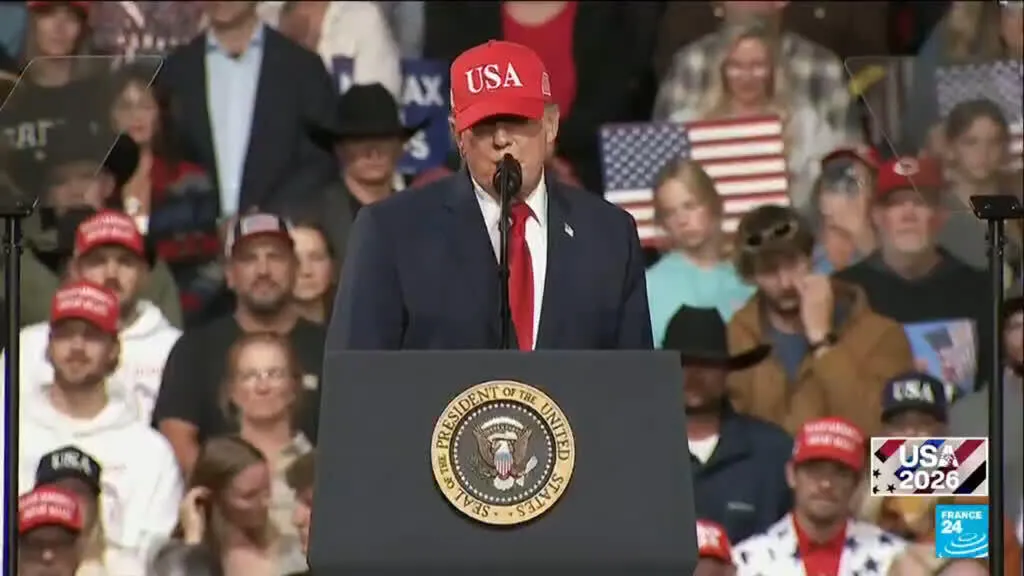
Hot September CPI: energy costs surge, voters feel the squeeze before midterms
The latest inflation print lands as Trump campaigns for GOP control of Congress, putting cost-of-living worries at the center of the midterm fight.