
South Korea warns North Korea’s DMZ moves could breach the 1953 armistice
What is happening near the DMZ, why Seoul says it matters, and the ripple effects for security and regional risk.
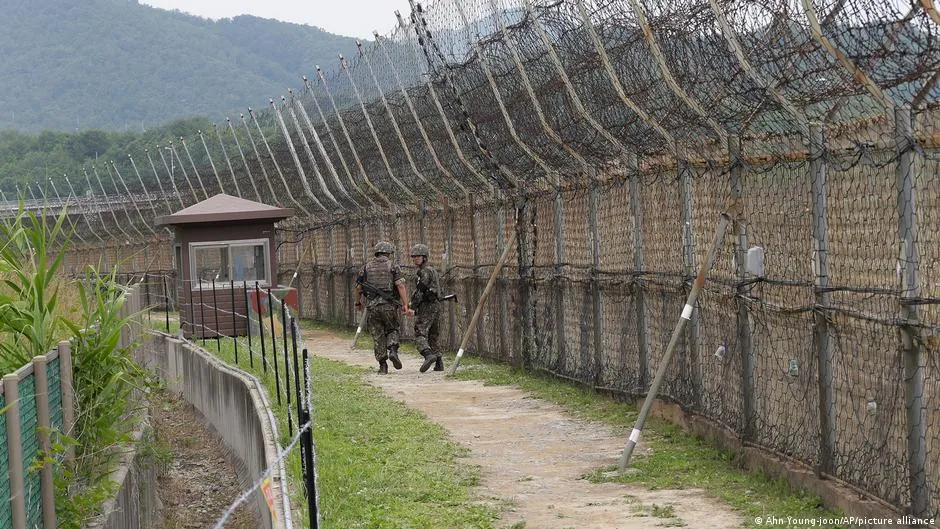
South Korea has expressed concern that ongoing developments along the military demarcation line in the DMZ are a breach of the 1953 armistice agreement. The immediate consequence is heightened tension and a renewed test of how regional governments manage instability on the peninsula.
South Korea is warning that ongoing developments along the military demarcation line in the DMZ may be a breach of the 1953 armistice agreement. In other words, Seoul is not treating these moves as background noise. It is framing them as a serious violation of the rules that have governed the border since the Korean War ended with an armistice rather than a peace treaty.
That choice of framing matters. When one side says “breach,” it is not just describing what it sees. It is signaling that the situation could cross a threshold where normal diplomatic messaging and routine posture shifts stop working, and where contingency planning becomes more urgent. For decision-makers, that means you track not only what is happening on the ground near the DMZ, but also how quickly each government escalates its language, its verification efforts, and its defensive readiness.
To understand why this is such a big deal, you have to know what the DMZ is supposed to represent. The military demarcation line is the demarcation between forces of the two Koreas and the centerpiece of the postwar arrangement. The 1953 armistice is the legal and political backbone for the status quo. There is no end-of-war peace treaty in place, so the armistice effectively functions as a long-running operating agreement. When Seoul argues that developments are breaching that agreement, it is effectively saying the operating agreement is being stress-tested, and possibly broken.
This is also where incentives start to collide. North Korea’s actions, whatever their tactical intent, can force South Korea into a difficult position: respond too strongly and risk escalation, respond too softly and risk appearing to concede ground or credibility. For Seoul, the strategic question is whether it can raise concerns without triggering the very instability it wants to prevent. For executives and boards watching the broader region, this is the classic instability problem. Markets and operators tend to price in smooth, predictable operations. They punish ambiguity, not just violence, because ambiguity increases uncertainty about supply chains, logistics, and regulatory or policy responses.
Second-order implications show up in planning cycles. When a government flags a potential armistice breach, it can lead to faster shifts in defense policy, border management, and alliance coordination. That does not automatically mean a crisis is imminent, but it changes the risk calculus for neighboring countries and internationally connected companies. Companies may have to revisit contingency plans for personnel safety, infrastructure resilience, and operational continuity, especially if the region sees a broader tightening of posture or communications between governments.
There is also a communications and accountability dimension. By publicly expressing concern, South Korea is doing more than reporting. It is building an evidentiary and diplomatic record that can matter later, for example if talks, inspections, or international outreach become part of the response. In geopolitical terms, this is often how states “lock in” their interpretation of events so that future actions and negotiations are anchored to stated claims.
For leaders of companies with exposure to regional supply networks, regulation, or logistics, the immediate practical takeaway is not to predict outcomes. It is to recognize what a “possible breach” signal does to the operating environment. It increases the probability that governments will react, even if they want to avoid escalation. And when governments react, they often tighten controls, accelerate procurement or readiness, and coordinate with partners. Those moves can create both risks and opportunities depending on the sector, but the first task is always the same: update scenario planning based on changing policy posture.
Finally, for the broader ecosystem, this development reinforces that the peninsula remains governed by fragile arrangements rather than a final peace. When the armistice framework is invoked, even indirectly, it draws attention to the fact that status quo management is not a one-way street. Seoul’s concern about developments along the military demarcation line is a reminder that the next escalation or de-escalation could begin with language, signaling, and incremental actions at the border. If you are an executive, investor, or operator responsible for risk, the smartest move is to treat this as an early indicator of higher regional tension and to act accordingly in your planning timeline.
This story's Key Insights and Take-aways are locked.
Create a free account to unlock Executive Actions for one credit.
Register to UnlockAlways free for Executives Club members. Join the Club
More in Politics
Glacial collapse, not rain, killed 180 in Nepal's Himalayan flood
The Himalaya's extreme geography hid the true cause of Nepal's catastrophic flood, a glacial collapse that turned a geological battleground into a mass-casualty zone.
Iran’s Esmail Baghaei says Oman talks start shipping via Hormuz, not US talks yet
Temporary route plans with Oman aim to restart commerce while Tehran says Washington dialogue is not on the table.

Standards watchdog opens probe into Reform UK deputy leader Richard Tice over interests
The parliamentary standards commissioner says it began an investigation on 28 July into a possible undeclared interest.