

“Sovereign AI” sounds independent. The real constraint is coercion, not capability
The Economist argues fully independent AI from America and China is a pipe dream, yet some protection remains possible.

The Economist International reviews the idea of “sovereign AI” that is independent of America and China and labels it a pipe dream. It also points out that while full independence is unrealistic, some degree of protection from coercion remains possible.
The pitch for “sovereign AI” is emotionally irresistible. It says a country, or an ecosystem, can build and use advanced AI without being trapped by the US or China. The Economist is blunt about the math of that dream: “Sovereign AI, independent of America and China, is a pipe dream.”
But the important part is not the surrender. The Economist’s summary signals the counterweight: “a degree of protection from coercion remains possible.” In other words, you might not be able to remove the big powers from the picture. You might still be able to reduce how often they can pressure you through AI supply chains, compute access, licensing terms, or chokepoints in data and tools.
To understand why “full independence” is such a tough sell, it helps to remember what AI needs in practice. Capability is not just models. It is also chips, cloud infrastructure, power, data pipelines, engineering talent, and software stacks. Many of those inputs are deeply entangled with the commercial and regulatory reach of the US and China. Even if a government funds local research, the operational reality can still depend on externally controlled components. That is where coercion comes in. Coercion does not require tanks. It can be as quiet as “we cannot legally supply that version,” “this access is delayed,” or “compliance forces us to change behavior.”
Boards and executives should also notice the incentives that make sovereign AI hard. The US and China both treat strategic technology as a lever. Companies respond to those levers because they are trying to stay in compliance, keep customers, and avoid sanctions risk. That means the same firm might support “global development” in speeches while building guardrails in operations when regulations tighten. Meanwhile, smaller countries face a second problem: they can fund policies faster than they can rebuild entire ecosystems. AI takes years to industrialize, not just to publish papers.
So what does “protection from coercion” actually mean, if the pipe dream of full independence is off the table? The Economist’s framing implies a practical approach: not aiming for total detachment, but for reduced vulnerability. That can include diversifying dependencies across suppliers and platforms, building domestic capabilities where feasible, and structuring procurement and contracts to limit exposure to sudden changes in external rules. It can also mean designing AI systems so they are less reliant on a single externally controlled service at runtime. In plain English: if your entire model training or deployment stack is hostage to one gatekeeper, coercion becomes a switch. If you spread the risk, it becomes harder to flip.
This matters because AI strategy is no longer just a tech roadmap. It is a resilience plan. The same executives who track cloud costs and model performance now also need to think like risk officers. Where is your dependency concentrated? How quickly can you substitute tools if access changes? How much of your pipeline is regulated, licensed, or subject to export controls? And perhaps most importantly, how much operational power does a foreign regulator or vendor have over your ability to run the system you promised?
The second-order implication for decision-makers is that “sovereign AI” may be used as a political slogan, but procurement and governance will decide the real outcome. If the board treats it as branding rather than architecture, the organization will discover the limits the moment coercion risk rises. Conversely, if the board treats it as infrastructure, sovereignty becomes a measurable target: reduce single points of failure, reduce licensing fragility, and reduce the number of steps where external rules can pause your progress.
For peers, the lesson is simple. You may not be able to escape the gravitational pull of America and China in AI. But you can still take steps to make coercion less effective and less frequent. The Economist’s point is not that protection is impossible. It is that independence is usually oversold. The strategic stakes are whether your AI roadmap is designed for performance only, or also designed for political and regulatory weather.
This story's Key Insights and Take-aways are locked.
Create a free account to unlock Executive Actions for one credit.
Register to UnlockAlways free for Executives Club members. Join the Club
More in Politics
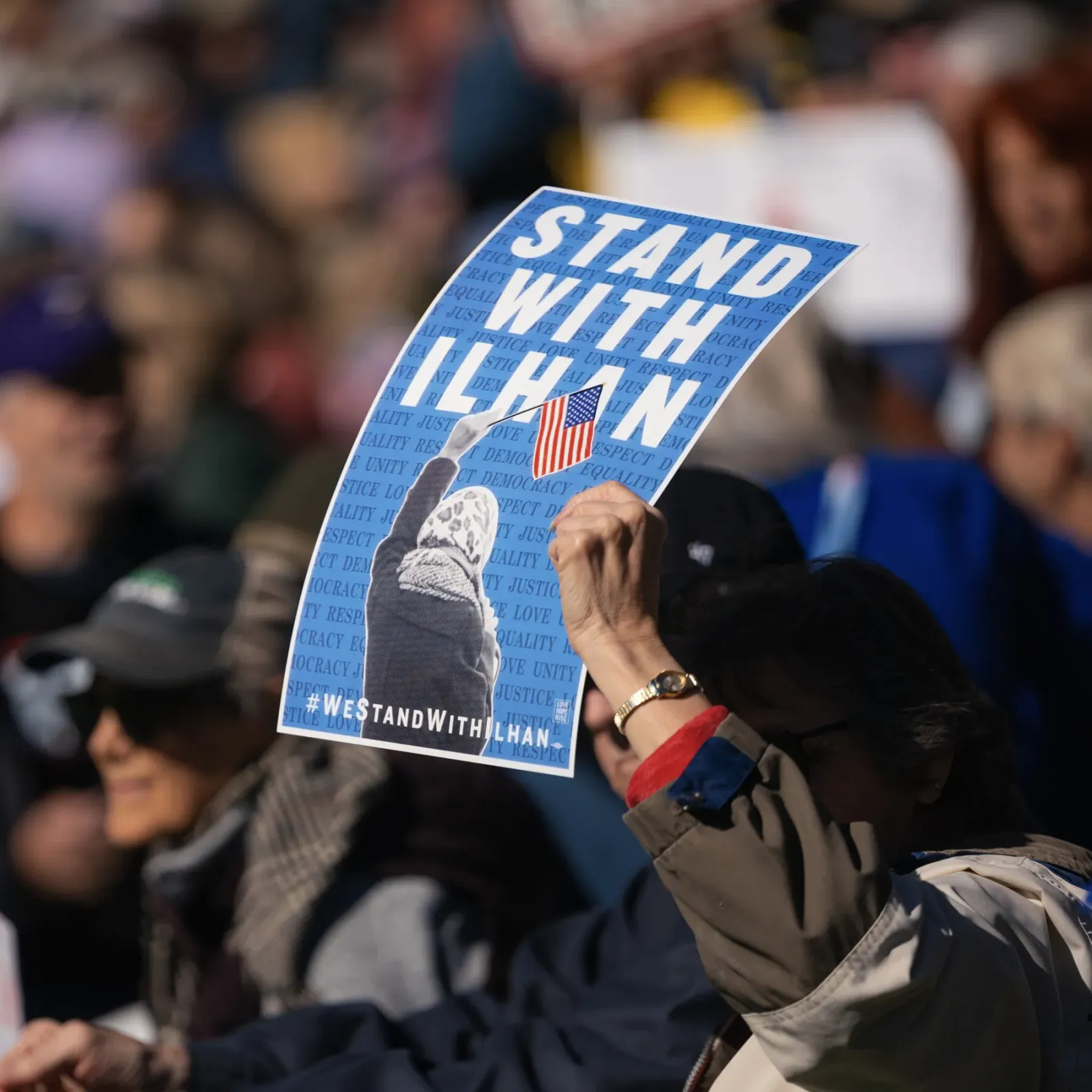
Obama Defends Ilhan Omar After Agents Search Her Home in Trump Inquiry
The former president's intervention raises the stakes in a federal probe into immigration paperwork that has put a prominent progressive lawmaker in the crosshairs.

Blair-era minister: cut welfare to fund youth job support
Alan Milburn's call for welfare cuts to fund employment support opens a Labour fight over benefits and the Neet crisis.
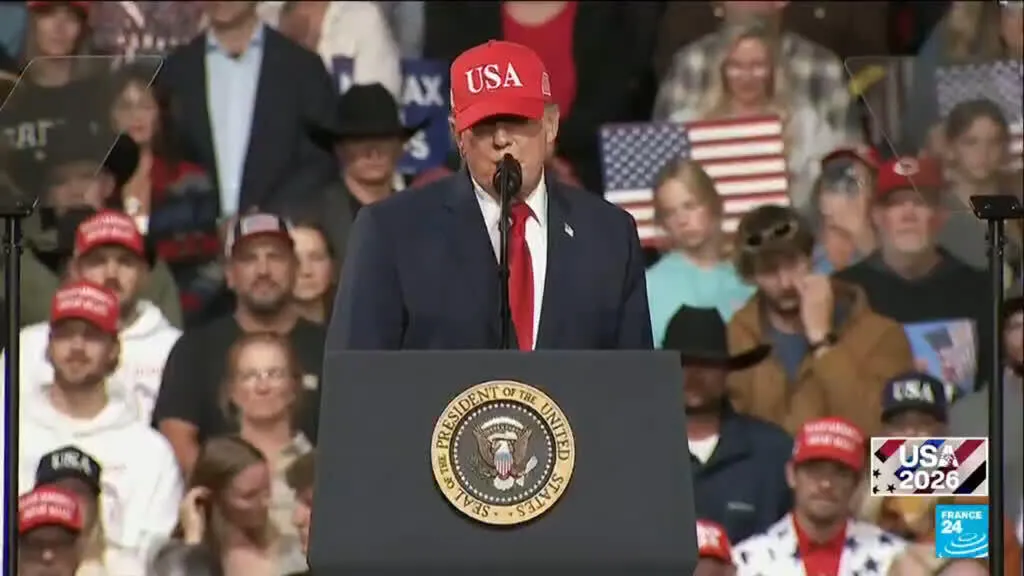
Hot September CPI: energy costs surge, voters feel the squeeze before midterms
The latest inflation print lands as Trump campaigns for GOP control of Congress, putting cost-of-living worries at the center of the midterm fight.