

Spotify co-CEO confirms QR code crackdown on Family Plan cheaters
The streaming giant is tightening household verification, a move that could convert shared-plan discount users into full-price subscribers.

Spotify co-CEO Alex Norström confirmed on the company's earnings call that Spotify is using QR code verification to catch Family Plan users who do not live together. The move signals tighter enforcement across shared subscription tiers, with revenue and subscriber conversion implications for the entire streaming industry.
Spotify co-CEO Alex Norström confirmed on the company's earnings call this week that Spotify is actively trying to catch Family Plan users who do not actually live together, using a new QR code verification method that requires scanning the plan manager's phone. The confirmation came in response to a question about what many observers have described as a crackdown on the streaming giant's shared family accounts.
Norström rejected that framing. "This is not as much a crackdown as it is actually a routine improvement of our verification methods for our Family Plan," he said, according to TechCrunch's report of the call. He noted the Family Plan has been around for close to 12 or 13 years in Spotify's history and "makes up a pretty signi..." before the quote cuts off in the report. Whatever the label, the practical effect is the same: Spotify is now actively verifying that Family Plan members actually share a household, and users who cannot prove it risk losing access to the discounted tier.
For the uninitiated, the Spotify Family Plan lets up to six people share one premium subscription at a steep discount, on the condition that everyone lives at the same address. The QR code method works by requiring the plan manager's phone to be scanned as proof of the household link. It is a direct answer to a long-standing loophole: for years, groups of friends and even internet strangers have split Family Plan costs without sharing a roof, effectively getting premium music at a fraction of the individual price. Spotify has tolerated that behavior for most of the plan's 13-year history; the QR verification signals that tolerance is over.
The economics explain why Spotify is bothering. Every Family Plan slot occupied by someone who does not live with the plan manager is a full-price individual subscription that Spotify is not selling. With streaming growth maturing and the company under continued pressure to show profitability, closing that leak is a meaningful revenue lever. For context, Spotify has increasingly framed its story around margin expansion and profitability in recent years, which makes every under-priced account a direct hit to the metrics investors now watch. The plan has been around for close to 13 years, which means a generation of users has grown up treating the Family Plan discount as a casual perk rather than a household benefit. Re-verifying those households is effectively a pricing correction disguised as a security upgrade.
Spotify is also following a playbook that Netflix already ran. When Netflix began enforcing its password-sharing rules, it added millions of subscribers as borrowers either started their own accounts or were folded into paying households. The lesson for the industry was clear: enforcement, done carefully, converts free riders into revenue. Spotify's QR verification applies the same logic to family plans, where the abuse is harder to detect because it involves deliberate misrepresentation rather than casual password sharing. That makes the verification method more intrusive by necessity, but the financial upside is the same.
The trade-off is friction. QR code scanning adds a real step for legitimate families too, because the plan manager has to be available to complete the verification. That is a small cost for honest users, but it signals a broader shift: the era of loosely enforced family plans is ending across streaming. For Spotify, the move protects the integrity of its premium tier at a moment when it is pushing pricing power and trying to convince investors that its subscription business can keep growing without relying on shared-account generosity. For users, the message is simple: if you are on a family plan, make sure you can prove you belong on it. Expect other platforms with family tiers to watch the rollout closely and borrow the playbook if it works.
The strategic stakes extend beyond Spotify. Every subscription business with a shared or family tier, from streaming services to software platforms to gym memberships, faces the same question: how much abuse is baked into the pricing, and when does enforcement become worth the friction? Spotify's answer, confirmed by its co-CEO on an earnings call, is that verification is now a routine part of running a family plan. Rivals and investors should read that as a signal that the industry's tolerance for shared-account leakage is shrinking, and that the next round of subscriber growth will come less from new sign-ups and more from converting the people already using the product.
This story's Key Insights and Take-aways are locked.
Create a free account to unlock Executive Actions for one credit.
Register to UnlockAlways free for Executives Club members. Join the Club
More in Business
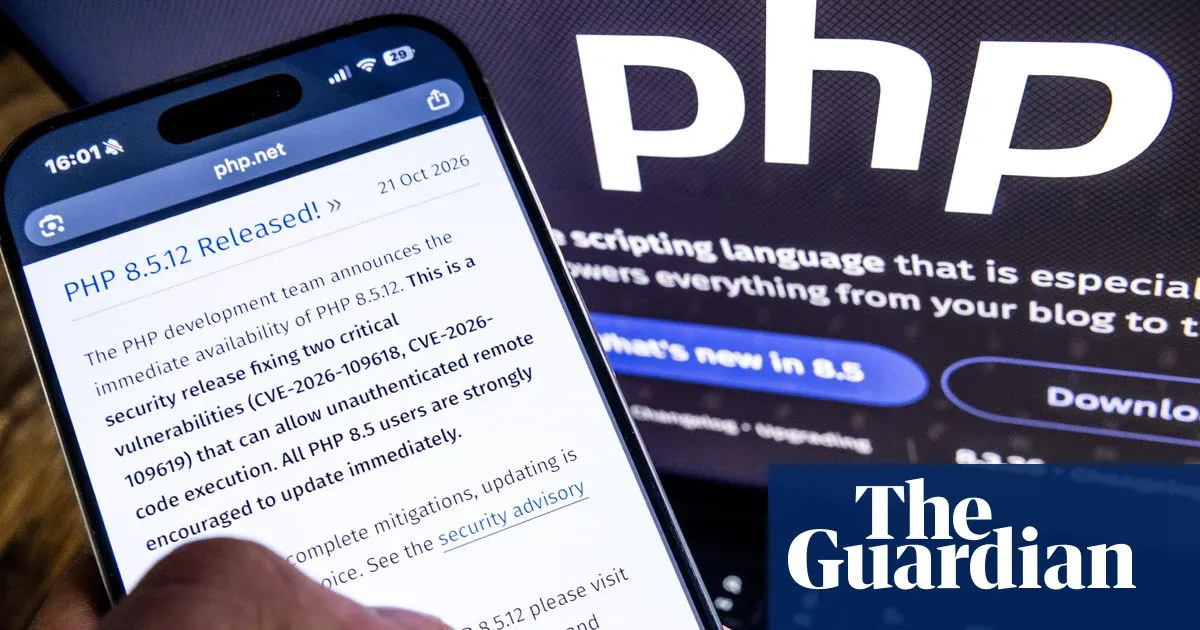
A flaw in PHP just forced governments to pull their own sites offline
European agencies from Belgium to Germany took websites dark to patch a critical weakness in the language behind almost 70% of the web, and the blast radius extends far beyond government portals.

BioWare shuts down, Mass Effect 5 dead after $55B EA buyout
The legendary RPG studio's closure lands months after a $55 billion investment group buyout of EA, raising tough questions for gaming's biggest acquirers.

Musk barred from the room as Tesla, SpaceX boards weigh $3.5 trillion merger
The CEO of both companies is a 'conflicted party' watching independent directors negotiate a tie-up that would create a $3.5 trillion giant he would own about a third of.