

Star Trek's next movie is Crimson Tide meets Training Day, directors say
Jonathan Goldstein and John Francis Daley tell Inverse their Starfleet thriller fuses submarine-siege pressure with dirty-cop morality, and it is the only Trek film currently in development.
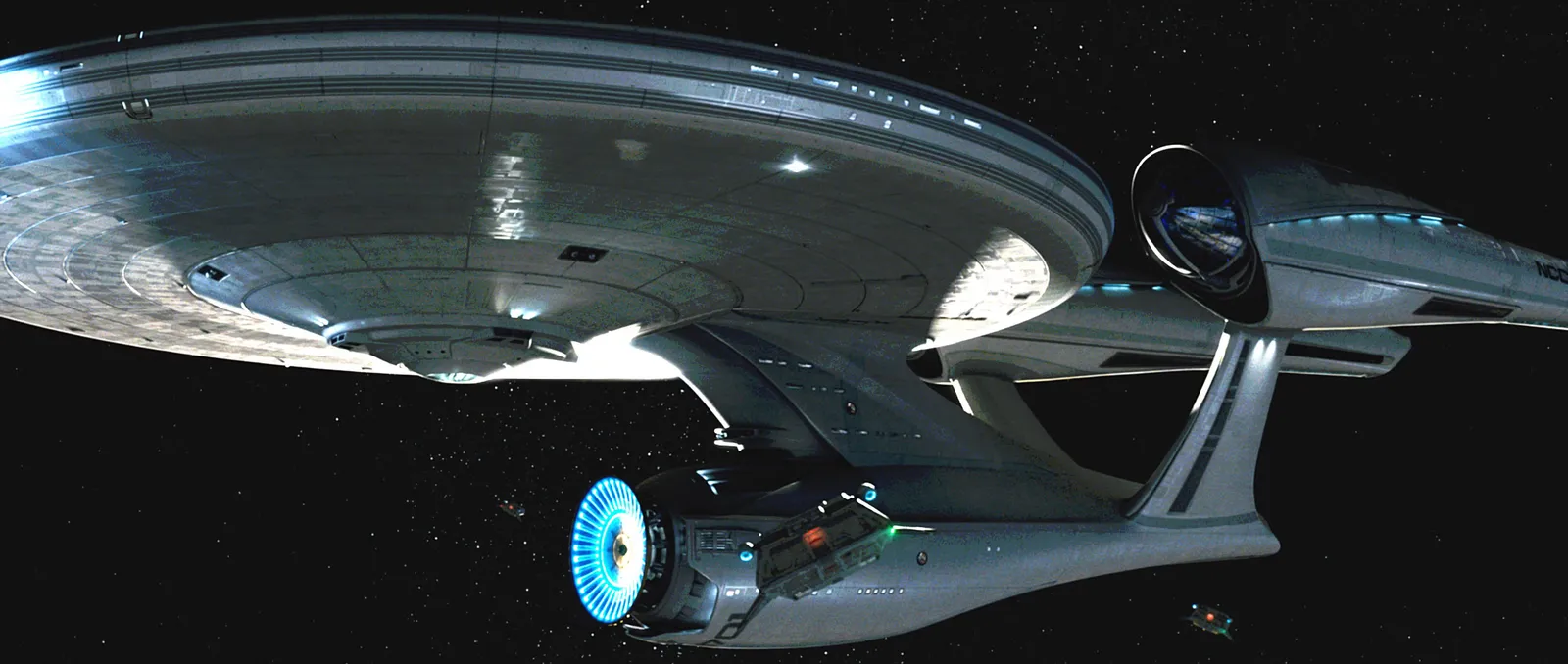
Jonathan Goldstein and John Francis Daley, the directors of the only known Star Trek movie in development, told Inverse their pitch is "Crimson Tide meets Training Day meets Starfleet." For studio and streaming executives, the detail matters because a decade of announced-and-abandoned Trek films makes any concrete creative direction the clearest signal yet that a theatrical revival is real.
Jonathan Goldstein and John Francis Daley, the directing pair behind the only known Star Trek movie in development, have finally said out loud what the film is. Their pitch, delivered in an interview with Inverse: "Crimson Tide meets Training Day meets Starfleet." That is three films in one sentence, and it is the most concrete thing anyone has said about a new theatrical Trek in years. Polygon frames the wait as more than a decade long, and for a franchise that once reliably shipped a movie every few years, that gap is the real story. The pitch is not a release date, a cast list, or a budget. But it is a direction, and direction is exactly what has been missing.
Take the references one at a time, because they tell you what kind of movie this is. Crimson Tide, the 1995 Tony Scott submarine thriller, is a pressure cooker: a nuclear submarine, a mutiny, two men with rank and conviction locked in a confined space. Training Day, Antoine Fuqua's 2001 Los Angeles cop drama, is a morality trap: a rookie spends one day with a veteran who is not what he claims to be. Both star Denzel Washington, which is a coincidence worth noting and nothing more. Stack them on top of Starfleet and you get a pitch that is less about exploring strange new worlds and more about two people who trust each other too little, in a room they cannot leave.
Goldstein and Daley are a specific kind of hire, and the kind matters. The pair are best known for Game Night and Dungeons & Dragons: Honor Among Thieves, and they wrote Spider-Man: Homecoming. That is a resume built on tone control: comedies that take their stakes seriously, ensemble movies that keep moving, franchise entries that arrive with a light touch and leave with goodwill. Handing them Trek suggests a studio that wants a thriller with jokes inside it rather than a solemn two-hour meditation on the Prime Directive.
The business context is why this lands harder than a normal development update. Star Trek has been a film franchise in name only since Star Trek Beyond in 2016. In the years since, the franchise's center of gravity moved to television, where Paramount built a slate of Trek series that kept the brand alive and the fan base engaged without ever testing whether audiences would still buy a ticket. That is a comfortable arrangement for a streaming business and an uncomfortable one for a studio that owns one of the most recognizable science-fiction properties on earth. A theatrical film is the only product that can convert that recognition into a global box-office number.
Which brings us to the phrase that should get the most attention: the only known Star Trek movie in development. Trek films have been announced and quietly dissolved for years, a pattern familiar to anyone who follows franchise development. Directors attach, writers draft, dates get penciled in, and nothing reaches a soundstage. So the signal here is not the genre mashup. It is that this project has writers, a pitch its directors are willing to describe on the record, and no visible competitor inside its own franchise. Scarcity is a form of momentum.
There is also a creative argument for the mashup. Trek's identity has always been optimism: a competent crew, a problem to solve, a future worth wanting. Crimson Tide and Training Day are the opposite. They are stories about institutions failing the people inside them, and about individuals deciding what to do when the chain of command is wrong. Put those engines inside a Starfleet hull and you get conflict that does not require a new alien species or a galaxy-ending weapon. You get two officers, one order, and no good options. That is cheap to shoot, hard to look away from, and it travels across borders without a translation problem.
For the people who run studios and streamers, the stakes are straightforward. Franchise IP is the most expensive and most reliable asset in the portfolio, and it depreciates when it sits idle. Every year without a Trek film is a year the brand is carried by television budgets and convention goodwill rather than by a global marketing campaign. A hit resets the clock and opens a decade of sequels, spinoffs, and licensing. A miss is worse than silence, because it prices the next attempt lower. That asymmetry is why the pitch matters more than it looks: it is the first evidence in a long time that someone is willing to spend real money on the answer.
What to watch next is unglamorous. A pitch is not a green light. The questions that decide this film are a script that satisfies both halves of that sentence, a budget that matches the scale of a submarine thriller in space, and a release window that does not put it against the franchise's own television output. Goldstein and Daley have now said what they are building. The industry's next move is to decide whether it is buying.
This story's Key Insights and Take-aways are locked.
Create a free account to unlock Executive Actions for one credit.
Register to UnlockAlways free for Executives Club members. Join the Club
More in Entertainment
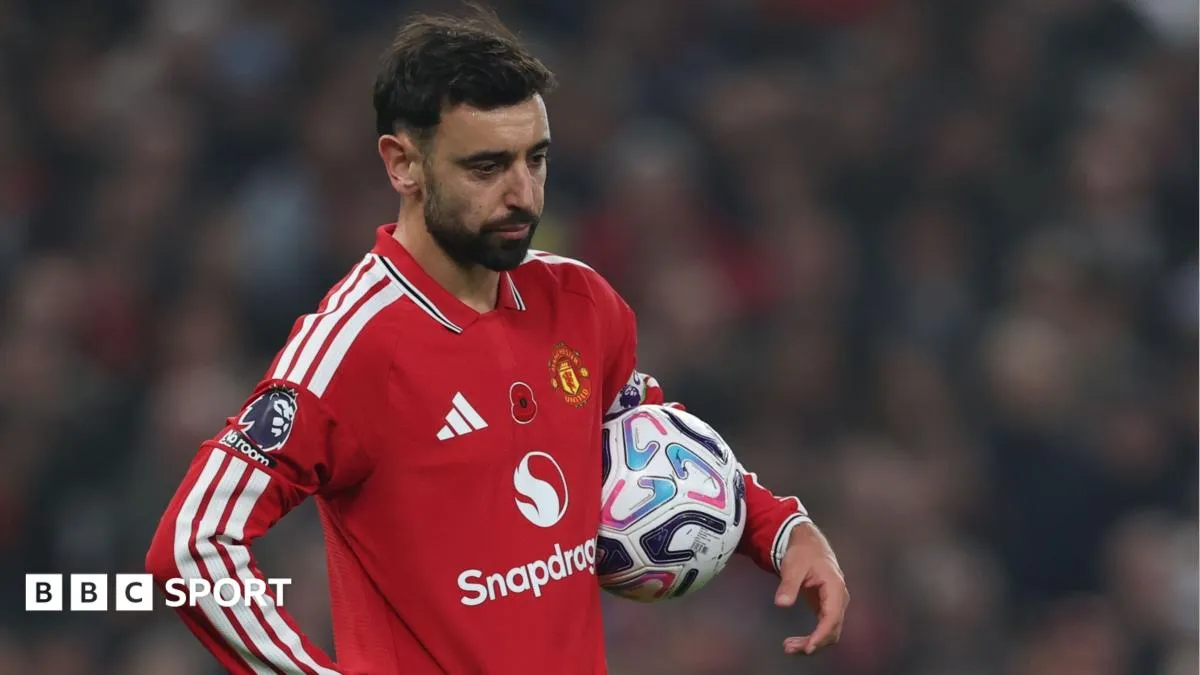
Man Utd captain Bruno Fernandes pauses new deal: 'not the right time'
Manchester United's captain has an offer on the table and has chosen to leave it there, a deferral that hands him leverage and hands the club a succession problem.
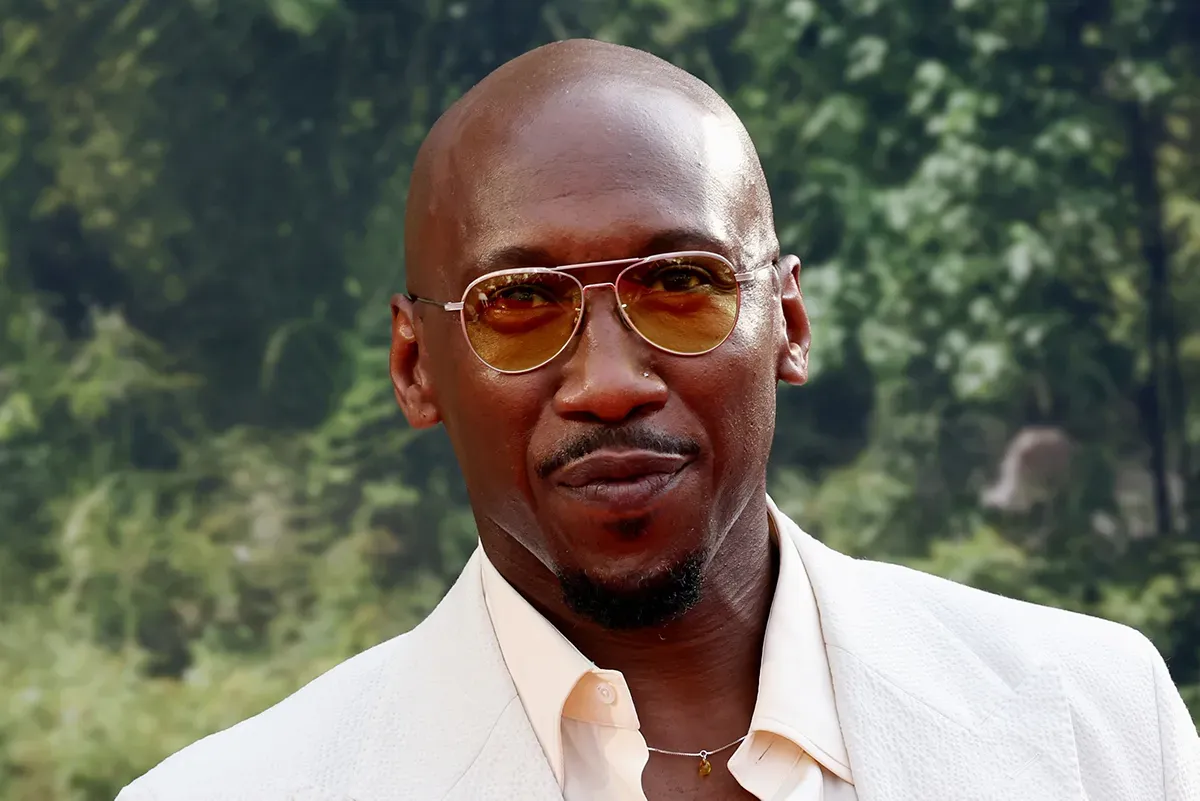
Mahershala Ali's Two Oscars Buy Him Nothing: 'There Are Not Roles for Me'
The two-time Oscar winner told the 7PM in Brooklyn podcast that his trophies do not unlock work in 'the vast majority of projects,' a blunt read on what Hollywood's franchise economy actually rewards.
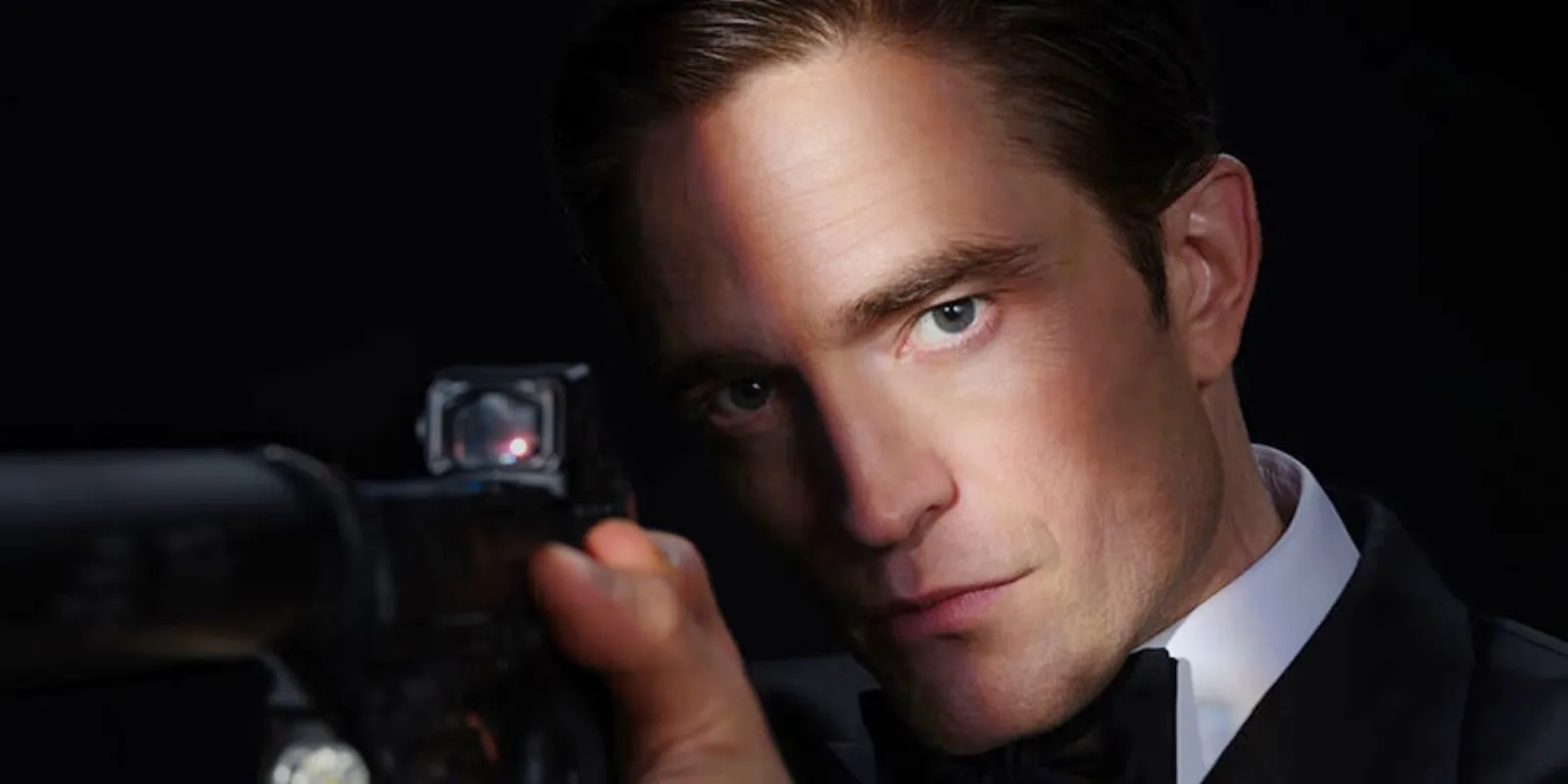
Robert Pattinson Is 007: Amazon's Bond Pick Sends a Divisive Film Surging
Amazon confirmed Pattinson as Bond under Denis Villeneuve, and within days the franchise's most controversial entry started climbing the streaming charts, a reminder that casting is catalog strategy.