

Star Wars Zero Company sells 1M copies - but 80% of staff got furloughed
Bit Reactor's strategy game is a Steam hit, yet the studio's cash crunch before launch raises hard questions about the niche-games model under a mega-franchise.
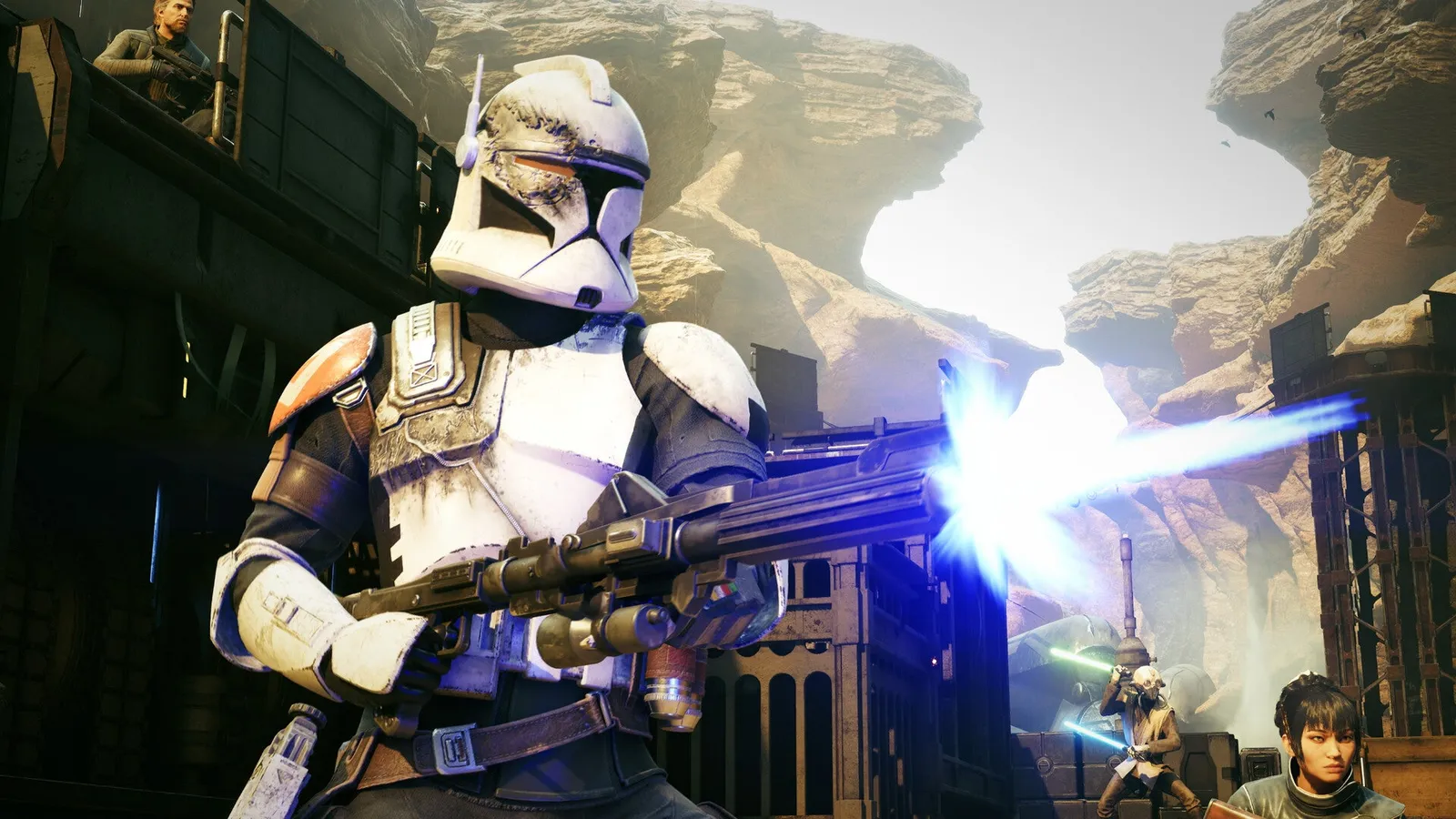
Bit Reactor, the studio founded by ex-Firaxis developers, sold an estimated 1 million copies of Star Wars Zero Company, generating roughly $50 million per Alinea Analytics. Yet with 80% of staff furloughed before launch, the title exposes the brutal economics of niche strategy games even under the Star Wars brand.
Star Wars Zero Company has sold an estimated 1 million copies since its launch last month, a respectable start for a niche strategy game. But the game's studio, Bit Reactor, furloughed 80% of its staff before the game even shipped - a stark reminder that commercial success and financial stability don't always move in lockstep.
According to Alinea Analytics' Rhys Elliott, the game generated roughly $50 million in revenue, with nearly 70% of sales coming from Steam. That's a strong showing for a genre that typically struggles to reach mass audiences, even with the Star Wars brand attached. Elliott called the performance "respectable for this genre and during such a crowded period (even with the Star Wars brand attached)." The split is telling: 69.9% on Steam, 19.9% on PlayStation, and 10.2% on Xbox / Xbox PC.
The paradox is hard to ignore. Bit Reactor furloughed "many of its workers" before Zero Company even came out, reportedly having "run out of most of its money just ahead of the launch of its first game." The studio told Game File it was a "difficult decision" made "before it was clear how the launch would go," insisting it was not influenced by EA or Star Wars rights holder Disney. Game File reported that 80% of Bit Reactor's staff were furloughed, leaving a skeleton crew to address any post-launch bugs. So even with a million-unit launch and $50 million in estimated sales, the studio's cash runway had already collapsed - a brutal lesson for any game developer betting on a single title.
EA's silence on official sales figures adds another layer. The company has yet to issue numbers for Zero Company or comment on its commercial performance, and with EA now private, it is under no obligation to share revenue with the market. For investors and competitors, that means the real profitability of this game remains opaque. Public publishers are often forced to disclose results, but private ownership lets EA keep the numbers close to the vest - a structural shift that changes how the industry gauges success and failure.
Regional performance is another wrinkle. Elliott noted that Zero Company's sales are heavily Western: 90% of players are in North America or Europe, with under 5% in Asia. That geographic concentration is a known Star Wars pattern, but the localisation gap makes it worse. On Steam, Chinese user reviews sit at 57% positive versus an 82% global average, with many pointing to the lack of voice-over and localisation options. "Star Wars has never had the pull in Asia that it has in the West, of course. But skipping proper localisation compounds that," Elliott added.
For other studios, the takeaway is twofold. First, a big IP like Star Wars can move units, but it cannot overcome genre ceilings or regional weak spots. Second, the financial structure of a studio matters as much as the game's quality. IGN's review scored Zero Company a 9/10, calling it "an excellent tactical game" with cinematic flair and strong characters. Yet even a critically acclaimed game from a well-known franchise couldn't keep Bit Reactor fully staffed. The latest patch arrived September 10, and the studio has been quiet since - leaving the roadmap unclear.
The broader implication for executives and boards is about risk allocation. A niche game, even one carrying a beloved license, is a high-variance bet. The revenue may be respectable, but the margin for error is thin. When a studio has to furlough 80% of its workforce before launch, it signals that the upfront costs were not adequately matched to realistic sales scenarios. For publishers weighing similar projects, the lesson is to stress-test cash runways against multiple sales curves - and to budget for localisation if they want global upside. Zero Company's Steam success is real, but the story of Bit Reactor is a warning about the gap between a hit game and a healthy company.
This story's Key Insights and Take-aways are locked.
Create a free account to unlock Executive Actions for one credit.
Register to UnlockAlways free for Executives Club members. Join the Club
More in Business

Royal Caribbean just spent $3B to own half of Sandals
The cruise giant is buying a 50% stake in the all-inclusive resort chain for $3 billion, a bet that land-based vacations are the next growth engine.

Paramount's Ellison: Merger Clearance Done, WBD Deal by Oct 1
David Ellison says the Paramount-WBD merger has full clearance after settling with state AGs, clearing the path for an October 1 close.
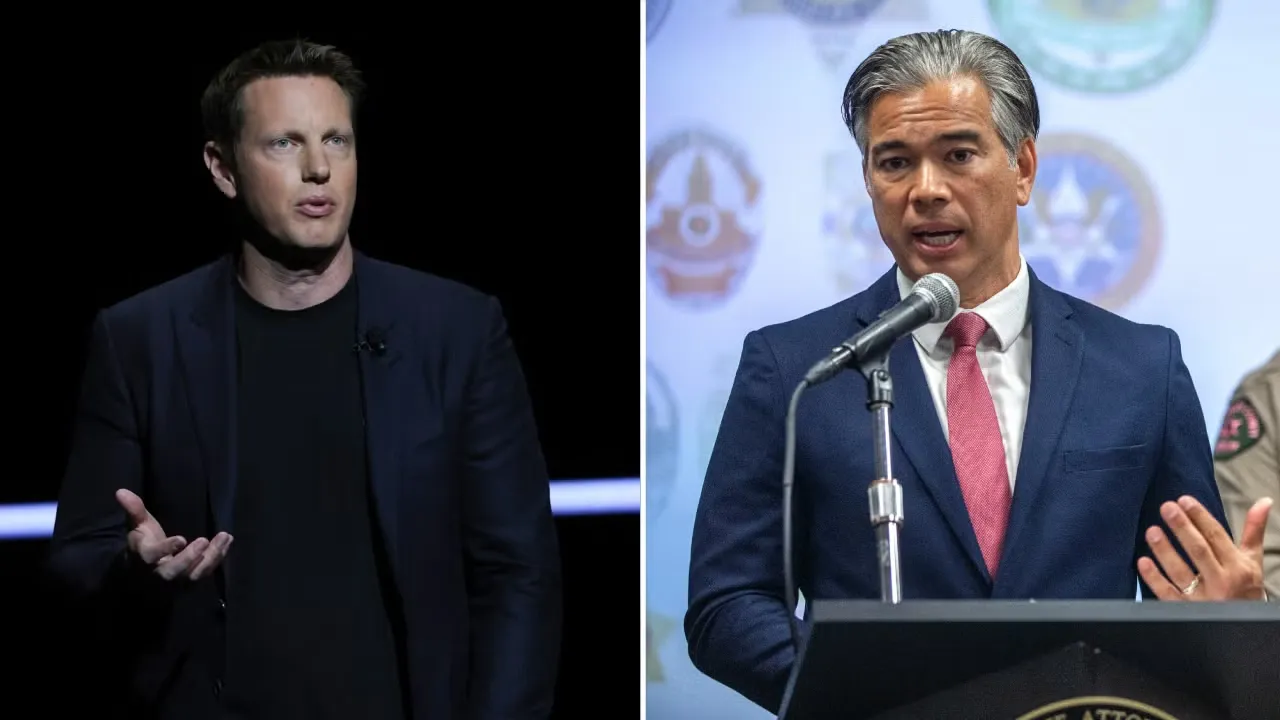
Paramount settles with 12 states, $110B Warner merger clears final hurdle
David Ellison's studio avoids a March trial and a $7M-a-day ticking fee by settling with state AGs over local job losses.