

SteamOS Beta 3.8.20 tackles the Steam Machine's 8GB VRAM bottleneck
A new update promises improved VRAM management and stability, plus Mesa upgrades for better ray tracing performance.
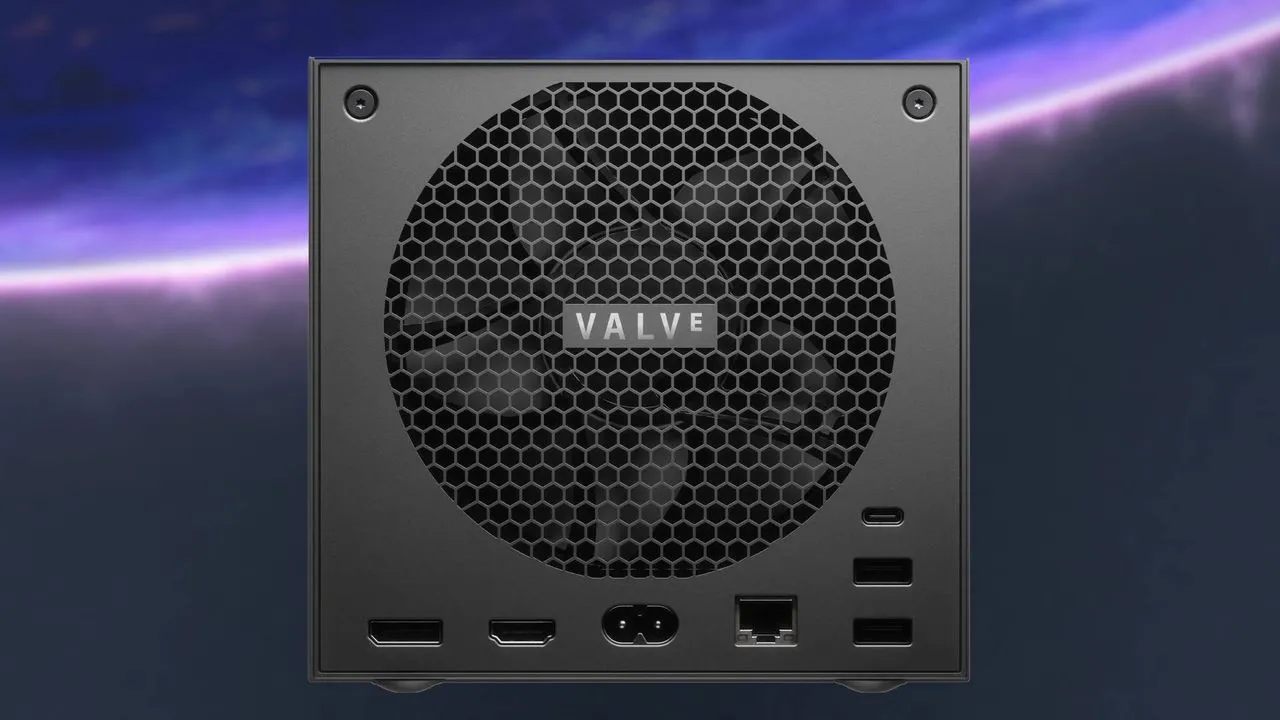
Valve’s SteamOS 3.8.20 Beta update is rolling out changes aimed at the Steam Machine’s limited 8GB VRAM. For decision-makers, it signals OS-level optimization is now part of Valve’s mini PC strategy, not just a spec sheet hope.
Valve is taking its Steam Machine gamble seriously, and the latest SteamOS Beta update is the clearest signal yet: the company is trying to fix a very specific performance choke point. SteamOS 3.8.20 Beta lands with what its patch notes call “greatly improved VRAM management, improving performance and stability in cases where VRAM is limited.” The headline figure here is the Steam Machine’s cap of 8GB VRAM, and the goal is straightforward. When game data needs to fit into that limited memory, the system should be less likely to dump crucial chunks into slower fallback paths that hurt frame rates.
If you are wondering why anyone cares about “VRAM eviction” on a $1,049-ish gaming cube, here is the real-world answer: Linux-based gaming stacks are often fine until they are not. In the source, the concern is that SteamOS has “janky old Linux elements under the hood,” and that makes it more likely that crucial data for games in memory could be evicted by other processes. The practical consequence is stutter and instability, especially when you run beefy PC titles. In that context, “greatly improved VRAM management” is not marketing fluff. It is a direct attempt to make sure an 8GB GPU behaves more like it has 8GB worth of breathing room.
The interesting part is that the patch notes do not name every underlying mechanism, but they describe behavior that matches a previously proposed Linux Kernel fix. The article points to a Valve engineer’s April proposal, arguing that it looks like the same “Linux VRAM management fix” being put into action. That earlier approach centers on preventing games from being sent to a slower Graphics Translation Table (GTT) fallback memory reserve. When that fallback happens, performance problems follow, because the system is effectively shuffling game-critical data to a less ideal memory path.
The mechanism described is also specific. The source says Valve developer Natalie Vock worked on adding “Device Memory Control Groups,” or “Cgroups” for short, to the Linux Kernel. The point of Device Memory Control Groups is to keep the kernel from treating GPU-related memory as if it were just any other pool that can be evicted under pressure. By controlling memory allocation and eviction behavior, the system can reduce the odds that a game’s important data gets pushed into that slower reserve. Put plainly: the box should use “every last byte” of its 8GB GPU memory more reliably for gaming workloads.
This matters beyond the Steam Machine owner who already spent over a grand and just wants Cyberpunk 2077 to behave. It also matters to anyone benchmarking Linux-based systems against Windows because it highlights a pattern executives should track. OS-level changes can create real performance and stability differences even when hardware stays the same. In other words, Valve is not only selling a device. It is iterating on the platform layer that sits underneath the device, and that is a lever with compounding effects across the ecosystem.
That ecosystem angle is reinforced by the second major change in the update: an updated Mesa graphics driver for the Steam Machine “cube.” According to the source, Mesa updates include “many ray-tracing performance improvements,” plus “other performance and functionality improvements.” Mesa is a core component in the Linux graphics pipeline, so driver-level improvements can improve everything from graphics efficiency to feature stability. For executives, this is the strategic tell: Valve is treating SteamOS as an evolving gaming OS, and it is using Steam Machine updates to move the whole baseline for other Linux-based gaming devices.
And yes, the piece also flags the competitive pressure around pricing. It notes that the Steam Machine’s $1,049 price tag does not help it compete with custom PC builds or consoles, and it reminds readers that the company originally planned to launch at a Steam Deck-like price, which would have made it a more immediate threat to the PS5 and Xbox Series X. The update does not change those economics today, but it may help Valve’s longer-term argument that a console-PC hybrid future needs an OS that can squeeze more out of constrained hardware. The Steam Machine, for now, reads like the staging ground rather than the final product.
Finally, there is a small caution sign for buyers watching low-cost imitators. The source mentions cheaper Chinese Steam Machine clones making the rounds, and suggests treading carefully if you are considering those alternatives. For decision-makers, that is a reminder that platform improvements like SteamOS updates may not translate neatly to every clone or variant. Compatibility, update cadence, and driver stack alignment can be the difference between “improved performance and stability” and a system that never receives the same fix.
SteamOS 3.8.20 Beta is not a revolution. It is more like a targeted correction: improve VRAM management when memory is limited, reduce risky fallback behavior, and upgrade Mesa for ray tracing improvements. For Valve, that is how you make a premium Linux gaming box feel less like a compromise. For everyone else building or investing in gaming platforms on constrained hardware, it is a clear signal that the OS layer is now part of the performance roadmap, not just background plumbing.
This story's Key Insights and Take-aways are locked.
Create a free account to unlock Executive Actions for one credit.
Register to UnlockAlways free for Executives Club members. Join the Club
More in Technology

Nvidia's $89B data center quarter: the 9 companies cashing in
The AI buildout is minting fortunes beyond GPUs, and memory, cloud, and cooling suppliers are riding the same wave.

Google quietly links your phone number to every Android account on your SIM
Adding a SIM now ties your phone number to all Google accounts - and future accounts inherit it. Here's the security and privacy stakes.

Hijacker AI 'Skynet mode' runs 100,000 attack steps against exposed models
Symantec caught a criminal AI agent that borrows other models, steals data, and mines crypto; the only relief is no confirmed victims yet.